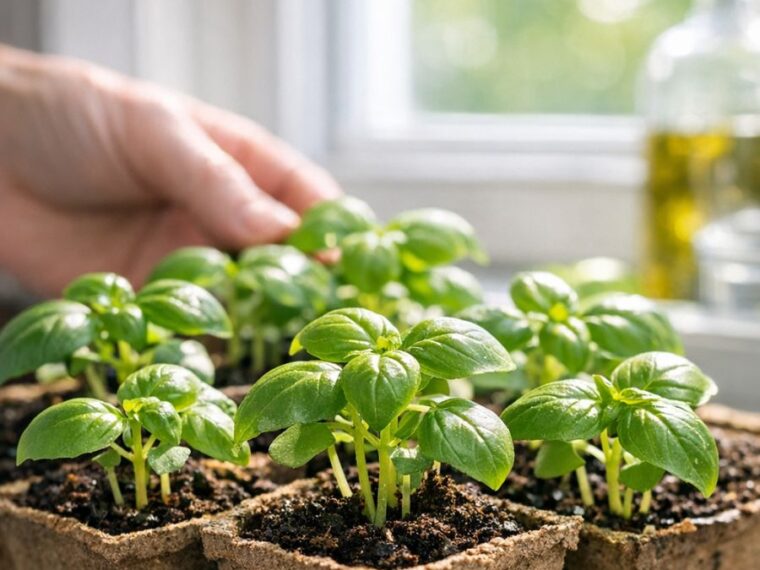
Basil, a tender herb originating from the warm, tropical regions of central Africa and Southeast Asia, thrives in temperatures ranging from 50°F to 80°F (10°C to 27°C). When temperatures drop below 50°F (10°C), basil begins to suffer, exhibiting signs of stress such as wilting and blackened leaves. Frost, in particular, poses a severe threat, as it can kill basil plants outright. The plant’s cell structure is not equipped to handle freezing temperatures, which cause water inside the cells to expand and burst, leading to irreversible damage. This sensitivity to cold makes it challenging to maintain a healthy basil plant outdoors during the colder months.
Furthermore, basil’s growth slows significantly in cooler conditions, as it is a sun-loving plant that requires at least 6 to 8 hours of sunlight a day. Reduced daylight during winter can further limit its growth potential, making it more susceptible to diseases and pests.
Introduction: The Joy Of Year-Round Homegrown Basil
Growing basil year-round allows you to enjoy its fresh, aromatic leaves even in the dead of winter. Fresh basil complements a variety of dishes, from pastas to salads, and having a constant supply can elevate your culinary experiences. Moreover, homegrown basil is often more flavorful than store-bought options, which may have been harvested days or weeks before reaching your kitchen.
Maintaining a basil plant indoors also provides a sense of accomplishment and connection to nature, especially during the colder months when outdoor gardening is not feasible. With the right techniques and care, it’s possible to create an indoor environment where basil can thrive, ensuring a steady supply of fresh leaves for your cooking needs.
1. Choosing Cold-Tolerant Basil Varieties For Winter Success
While most basil varieties struggle in the cold, some are better suited for cooler conditions than others. Varieties like ‘Spicy Globe’ and ‘Greek Basil’ are more compact and can handle cooler temperatures better than larger-leaved types like sweet basil. These varieties tend to have smaller leaves, which can withstand the stress of indoor conditions more robustly.
When selecting basil for winter growing, consider starting with seeds or seedlings of these hardier varieties. They require the same basic care but are more likely to thrive in less-than-ideal conditions. This proactive choice can set the stage for a successful indoor basil garden.
2. Timing Your Last Outdoor Harvest Before The First Frost
To ensure a seamless transition from outdoor to indoor growing, it’s crucial to time your last harvest before the first frost hits. Keep an eye on local weather forecasts and aim to harvest basil when nighttime temperatures consistently drop below 55°F (13°C). This usually occurs in late fall, depending on your climate zone.
During your final harvest, cut the stems just above a pair of leaves to encourage new growth. This pruning technique helps maintain plant health and allows for regrowth once the basil is moved indoors. Additionally, harvesting before the frost ensures you have a supply of fresh basil while your indoor plants acclimate.
3. Propagating Basil From Cuttings To Move Indoors Quickly
Propagating basil from cuttings is a swift way to establish new plants indoors. Select healthy stems about 4 inches (10 cm) long and remove the leaves from the bottom two-thirds of the cutting. Place the cuttings in a glass of water, ensuring the nodes are submerged, as this is where roots will develop.
Within a week or two, roots should begin to form. Once the roots are about 2 inches (5 cm) long, transfer the cuttings to pots filled with a well-draining potting mix. This method not only extends the life of your basil but also allows for multiple plants from a single parent, ensuring a bountiful indoor garden.
4. Using Sunny Windowsills And Light-Hacking Tricks
Basil requires ample sunlight to thrive, making a sunny windowsill an ideal location for indoor growth. South or west-facing windows are best, as they provide the most consistent light. Rotate the pots every few days to ensure even growth and prevent the plant from leaning towards the light source.
If natural light is insufficient, consider using mirrors to reflect sunlight onto the plants or placing the pots on a reflective surface to maximize exposure. These tricks can help compensate for shortened daylight hours during winter, ensuring your basil receives the light it needs to flourish.
5. Boosting Growth With LED Grow Lights On A Budget
For those lacking adequate natural light, LED grow lights offer an affordable solution to keep basil growing year-round. These lights are energy-efficient and can be set on timers to provide the 12 to 14 hours of light basil requires daily. Look for full-spectrum LED grow lights, which mimic natural sunlight and support all stages of plant growth.
Position the lights about 6 to 12 inches (15 to 30 cm) above the plants to avoid scorching the leaves, and adjust as needed to accommodate plant growth. Investing in a simple timer can automate the light cycle, providing consistent light without constant monitoring.
6. Creating A Cozy Microclimate With DIY Indoor Greenhouses
To simulate a warm, humid environment, consider using a DIY indoor greenhouse. A simple setup using clear plastic storage bins or repurposed fish tanks can create a microclimate that traps heat and humidity around your basil plants. Ensure the containers have ventilation holes to prevent mold and mildew.
These mini-greenhouses can be placed near a heat source or in a sunny spot to maintain warmth. The increased humidity and temperature mimic the basil’s natural habitat, promoting healthy growth even during winter’s chill.
7. Mastering Winter Watering And Humidity To Prevent Leaf Drop
Proper watering is crucial for indoor basil during winter, as overwatering can lead to root rot while under-watering causes leaf drop. Allow the top inch (2.5 cm) of soil to dry out between waterings, and use lukewarm water to avoid shocking the plant’s roots.
Maintaining humidity is equally important. Basil thrives in 40-60% humidity, which can be achieved by placing a tray of water near the plants or using a small humidifier. Regular misting can also help, but be cautious not to wet the leaves excessively, as this can promote fungal diseases.
8. Feeding Basil Lightly So It Keeps Producing New Leaves
Basil benefits from light, regular feeding to maintain vigorous growth indoors. Use a balanced liquid fertilizer diluted to half-strength every four to six weeks. This provides essential nutrients without overwhelming the plant, which can be sensitive to over-fertilization.
Avoid high-nitrogen fertilizers, as these can encourage excessive leaf growth at the expense of flavor. Instead, focus on balanced formulas that support overall plant health and consistent leaf production.
9. Pruning The Right Way To Encourage Bushy, Fresh Growth
Regular pruning is key to maintaining a compact, bushy basil plant. Pinch off the top sets of leaves every few weeks, cutting just above a node where two new stems can develop. This encourages the plant to branch out, producing more leaves and preventing it from becoming leggy.
Prune any flowers that form, as flowering diverts energy from leaf production. Removing flowers also extends the plant’s lifespan, allowing you to enjoy fresh basil for a longer period.
10. Protecting Basil From Drafts, Radiators, And Dry Indoor Air
Indoor environments can pose challenges for basil due to drafts, dry air, and heat sources like radiators. Keep plants away from windows and doors that let in cold air, and avoid placing them directly above or near radiators, which can dry out the soil and foliage.
If dry air is an issue, consider grouping plants together to create a more humid microclimate or using a small humidifier to maintain optimal humidity levels. These precautions help prevent stress and ensure healthy growth.
11. Growing Basil Hydroponically For Nonstop Winter Harvests
Hydroponics offers an innovative way to grow basil indoors without soil. This method uses nutrient-rich water to deliver essential elements directly to the plant roots. Systems like the Kratky method or simple wick systems can be set up at home with minimal investment.
Hydroponic basil grows faster and can be more productive than soil-grown plants, as the roots have direct access to nutrients. Ensure the system has adequate lighting and monitor the pH levels of the water to prevent nutrient lockout.
12. Repurposing Kitchen Hacks: Cloche Jars, Heat Mats, And More
Utilize everyday kitchen items to enhance your indoor basil growing setup. Cloche jars or glass bell jars can be used to create mini-greenhouses, trapping heat and moisture around the plant. Heat mats placed under pots can provide gentle warmth to encourage root growth.
Other hacks include using egg cartons as seed starters or coffee filters at the bottom of pots to improve drainage. These cost-effective solutions can improve growing conditions and promote healthy basil plants.
13. Troubleshooting Yellowing, Leggy, Or Wilting Winter Basil
Yellowing leaves often indicate nutrient deficiencies or overwatering. Check the soil moisture and adjust watering practices as needed. If nutrients are lacking, apply a balanced liquid fertilizer at half-strength to correct deficiencies
Leggy plants result from insufficient light, so consider relocating them to a brighter spot or adding supplemental lighting. Wilting can be caused by both over and under-watering, so ensure the soil has proper drainage and water only when the top inch (2.5 cm) of soil is dry. Regular monitoring and adjustments can help maintain healthy, vibrant basil plants throughout winter.