As the holiday season wraps up, many households find themselves wondering what to do with their once-vibrant Christmas greenery. While it may be tempting to simply toss these natural decorations into the trash, there are numerous creative and environmentally friendly ways to repurpose them in your garden. By thinking outside the box, you can give your Christmas greenery a new lease on life, contributing to the health and beauty of your yard.
From providing protective mulch to creating habitat for wildlife, your Christmas trees and wreaths can continue to be useful long after the last gift has been unwrapped. Below, we explore ten innovative ways to reuse Christmas greenery in the garden, turning what could be waste into a valuable resource.
1. Turn Whole Wreaths Into Protective Mulch Rings
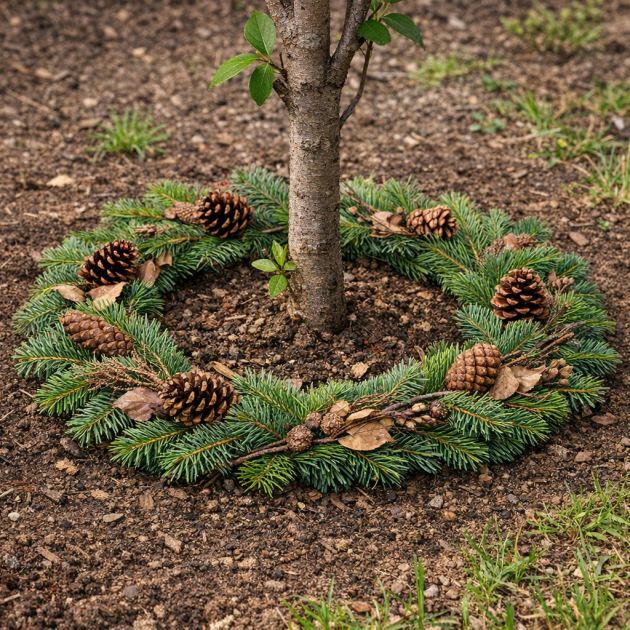
Wreaths often comprise a sturdy frame adorned with evergreen branches, pinecones, and other natural materials. These can be easily transformed into mulch rings that provide protection and nourishment to the base of young trees or shrubs. Simply lay the wreath flat on the ground around the base of the plant. This will help to suppress weeds, retain soil moisture, and gradually break down to enrich the soil. For best results, ensure that the wreath is at least 2 feet in diameter, providing ample coverage while allowing air and water to penetrate the root zone.
2. Shred Branches for Nutrient-Rich Garden Mulch
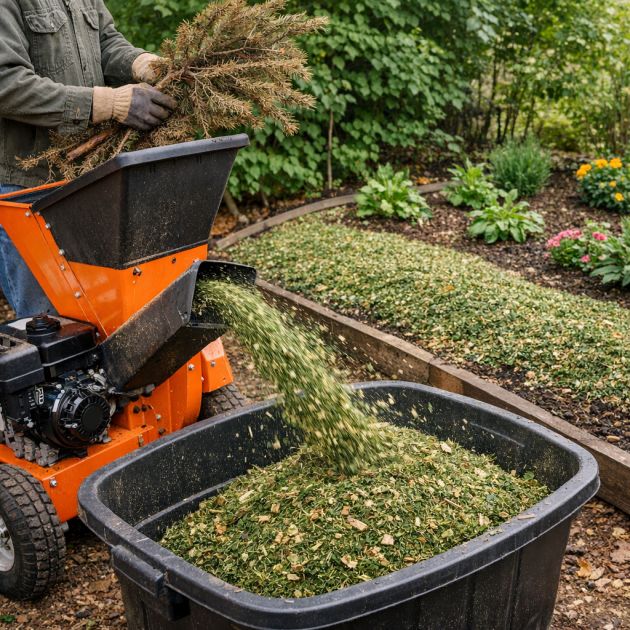
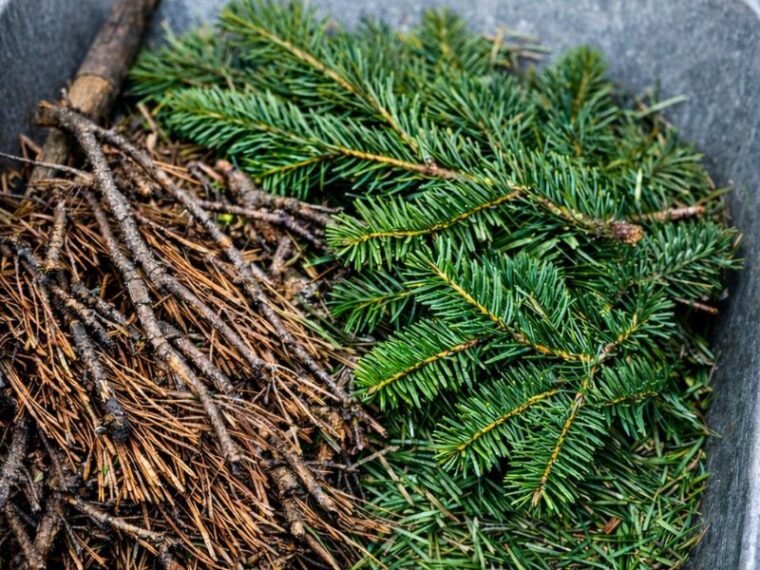
Shredding the branches of your Christmas tree or wreaths is an excellent way to create homemade mulch. Use a wood chipper to break down the branches into small, manageable pieces. Spread a 2-3 inch layer of this mulch around your garden beds to help maintain soil moisture, regulate temperature, and deter weed growth. This organic mulch will gradually decompose, adding valuable nutrients back into the soil, improving its structure and fertility over time.
3. Build Simple Brush Piles for Wildlife Habitat
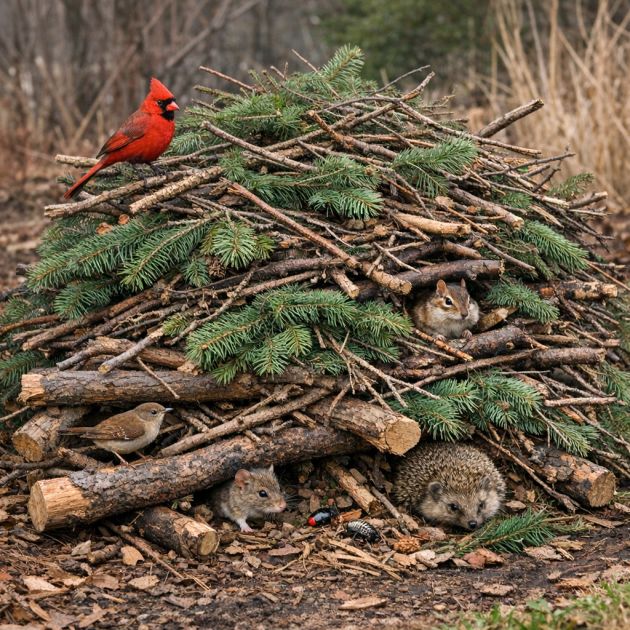
Brush piles made from discarded Christmas greenery can provide essential shelter for a variety of wildlife, including birds, small mammals, and beneficial insects. To create a brush pile, start by laying down larger branches in a crisscross pattern as a base, then gradually add smaller branches and twigs on top. Ideally, the pile should be about 4 feet high and wide. This habitat will offer protection from predators and harsh weather, supporting biodiversity in your garden.
4. Use Evergreen Boughs as Winter Frost Blankets
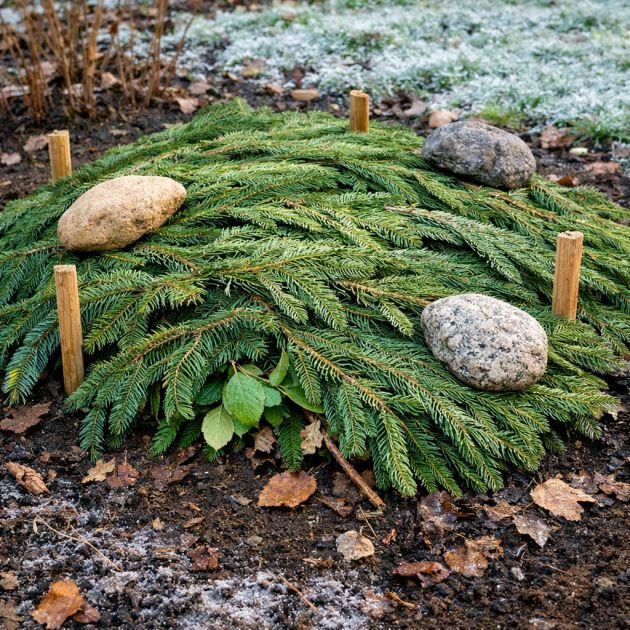
Evergreen boughs can be used to protect delicate plants from harsh winter conditions. Simply lay the boughs over garden beds or individual plants to act as an insulating layer, helping to trap heat and shield against frost. This method is particularly useful for perennials and other cold-sensitive plants. Be sure to secure the boughs with stakes or rocks to prevent them from blowing away in strong winds.
5. Create Natural Edging and Pathway Borders
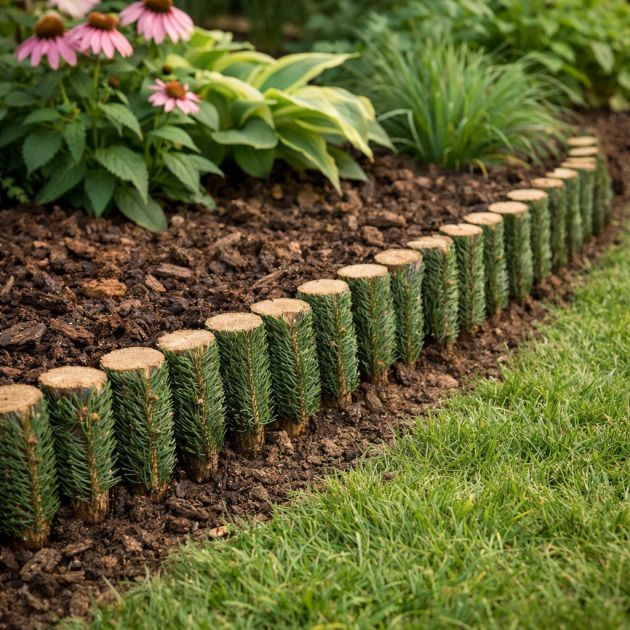
The sturdy branches of Christmas trees can be repurposed to create natural edging for garden beds or pathways. Use a saw to cut the branches to a uniform length, typically around 12-18 inches, and then bury them halfway into the ground along the desired border. This not only provides a rustic aesthetic but also helps define spaces within your garden, keeping mulch and soil in place while preventing grass or weeds from encroaching.
6. Make Aromatic Compost Browns From Needles
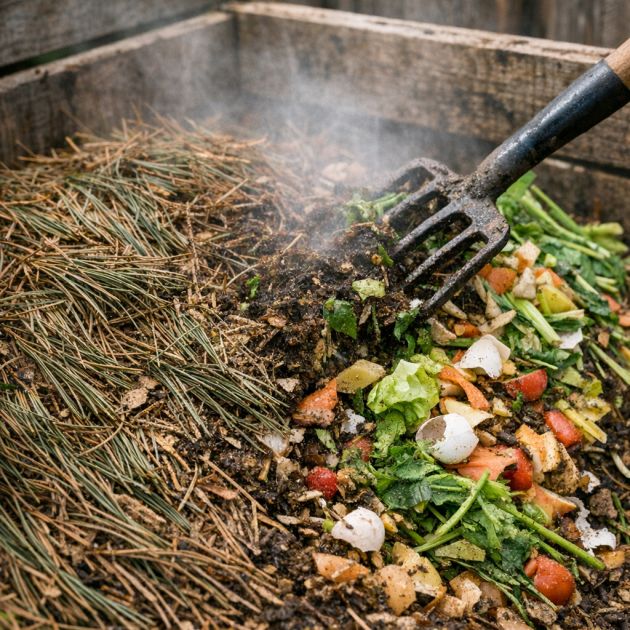
Pine needles from Christmas trees make an excellent addition to your compost pile as a ‘brown’ material, which is high in carbon. These needles break down slowly, providing long-term benefits to the compost. Mix them with ‘green’ materials, such as vegetable scraps or grass clippings, to maintain a balanced compost pile. As a bonus, the aromatic nature of pine needles can help mask any odors from the compost, making your composting process a more pleasant experience.
7. Repurpose Sturdy Trunks as Plant Stakes
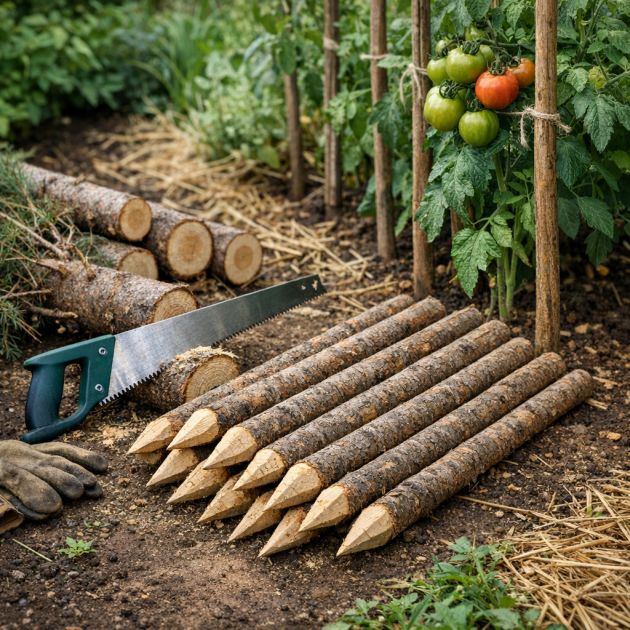
The trunk of your Christmas tree can be cut into durable plant stakes, perfect for supporting tomatoes, beans, or other climbing plants. Use a saw to cut the trunk into stakes that are 3-4 feet long. Sharpen one end of each stake to make it easier to drive into the ground. These natural stakes blend seamlessly into the garden, providing support without the need for plastic or metal alternatives.
8. Craft Rustic Trellises and Pea Supports
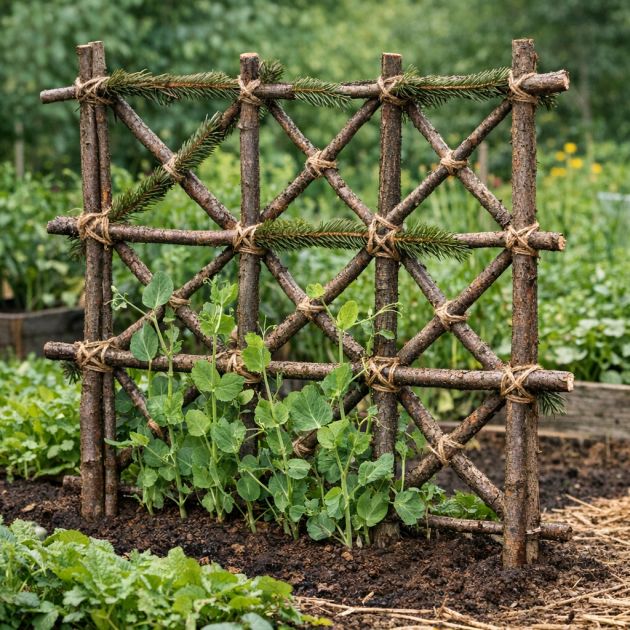
For a more intricate garden structure, consider using branches from your Christmas tree to build rustic trellises or pea supports. Use twine or garden wire to lash branches together into a simple lattice pattern, ideal for supporting climbing plants like peas and cucumbers. Ensure the base is sturdy by securing it into the ground. This project not only offers practical plant support but also adds a charming, natural element to your garden landscape.
9. Start a Hugelkultur Bed With Old Christmas Trees
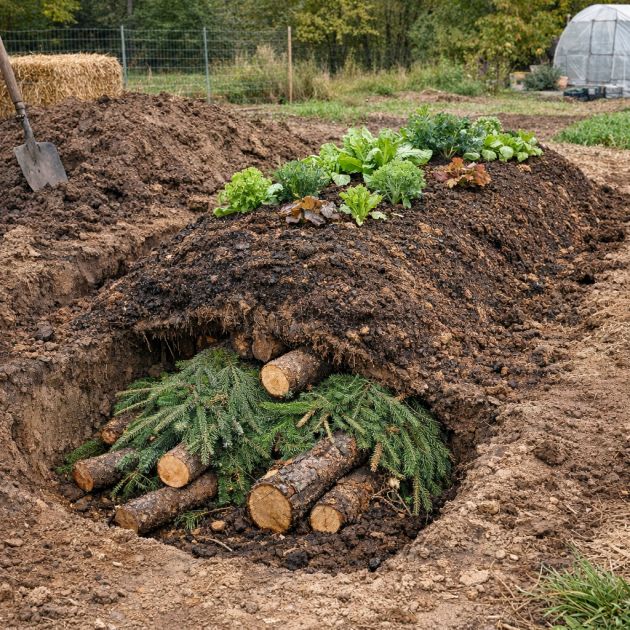
Hugelkultur is a gardening technique that involves creating raised beds filled with wood debris, which slowly decomposes to provide nutrients and retain moisture. Begin by digging a trench and laying down whole or cut sections of your Christmas tree. Cover the wood with a mix of soil and compost, mounding it to create the raised bed. Over time, the wood will break down, enriching the soil and fostering a thriving garden environment.
10. Chip and Store Greenery for Future Garden Projects
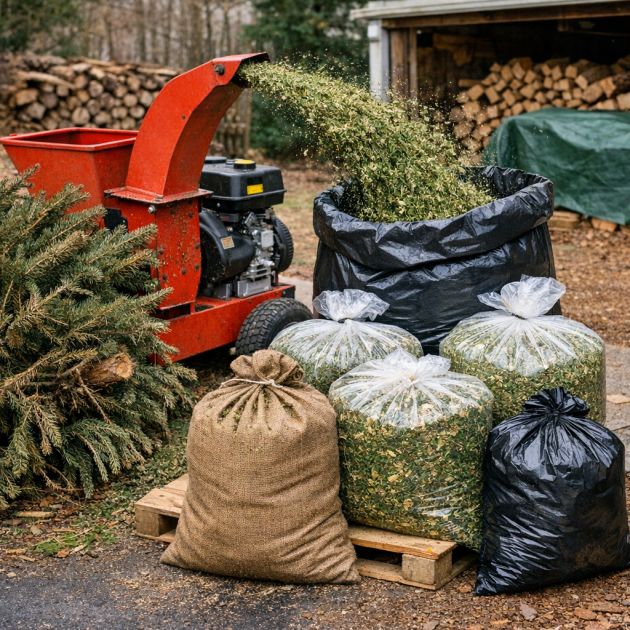
If you have access to a wood chipper, chipping the branches and needles of your Christmas tree allows you to store the resulting mulch for future use. Bag the chipped material and keep it in a dry, cool place to prevent mold. This reserve of mulch can be invaluable throughout the year for mulching garden beds, pathways, or even as a base for new planter beds, ensuring you always have a supply of organic material on hand.