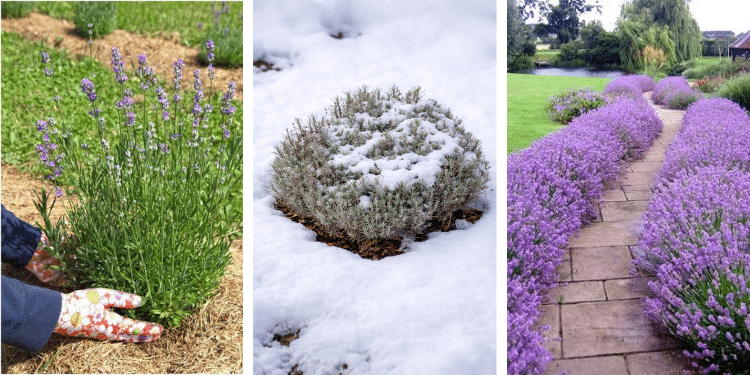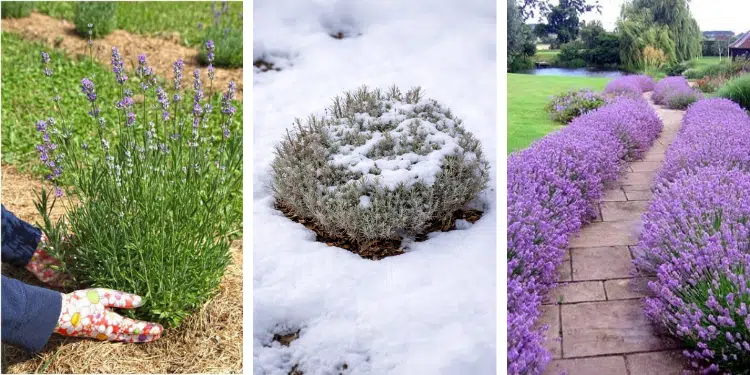
Lavender is loved for its calming fragrance, silvery foliage, and beautiful purple flowers – but how it performs in spring depends heavily on what you do in winter.
January may seem like a quiet month in the garden, yet for lavender, it’s a critical preparation period.
Proper mid-winter care strengthens roots, prevents disease, and sets the foundation for bigger, healthier blooms once temperatures rise.
If your lavender has ever looked woody, sparse, or produced weak flowering spikes, chances are winter care was overlooked.
This detailed guide covers 7 essential lavender tasks to do in January to help your plants survive winter stress and burst into lush bloom in spring.
Why January Care Matters for Lavender
Lavender is a Mediterranean plant that prefers:
- Dry roots
- Excellent drainage
- Plenty of air circulation
- Mild winters
In many regions, winter brings cold, wet soil, which is far more dangerous to lavender than low temperatures alone.
January tasks focus on protecting the plant from moisture damage while encouraging strong regrowth later.
1. Check Drainage and Protect Roots From Winter Wetness
The number one killer of lavender in winter is excess moisture, not cold.
What to do in January:
- Inspect soil around lavender plants
- Remove any compacted or soggy soil
- Gently mound gravel or coarse sand around the base
- Ensure raised beds and containers drain freely
Lavender roots rot quickly in wet conditions. Improving drainage now prevents fungal disease and root suffocation before spring growth begins.
2. Avoid Hard Pruning (But Do Light Cleanup)
January is not the time for heavy pruning – but light maintenance is beneficial.
What you can safely do:
- Remove dead, broken, or diseased stems
- Trim back frost-damaged tips lightly
- Clean debris from the plant’s center
What to avoid:
- Cutting into woody growth
- Shaping the plant aggressively
- Reducing plant size significantly
Hard pruning in January can cause dieback. Major shaping should wait until early spring, just as new growth appears.
3. Protect Lavender From Severe Cold (Only If Necessary)
Lavender is surprisingly cold-hardy once established, but young plants and certain varieties may need protection.
Protection tips:
- Add a light mulch of straw or pine needles
- Use breathable garden fleece during extreme cold
- Shield from harsh winds
Avoid heavy organic mulch like compost or leaves directly against the stem – it traps moisture and encourages rot.
4. Stop Feeding and Reduce Watering
Lavender goes dormant in winter and does not need fertilizer in January.
Why feeding now is harmful:
- Encourages weak, frost-sensitive growth
- Disrupts natural dormancy
- Increases disease risk
Water only if:
- The winter is unusually dry
- Soil is completely dry several centimeters down
In most climates, natural rainfall is more than enough. Overwatering in January leads to root damage and poor spring performance.
5. Improve Airflow Around the Plant
Good airflow is essential for preventing fungal disease and woody growth.
January airflow tasks:
- Remove nearby weeds
- Clear fallen leaves
- Trim back surrounding plants if necessary
Lavender thrives in open, breezy conditions. Improving airflow now helps prevent mold and mildew as temperatures rise.
6. Check for Winter Damage and Pests
While pests are less active in winter, January is a good time for inspection.
Look for:
- Blackened or mushy stems (signs of rot)
- Cracked stems from freeze damage
- Mold or mildew at the base
Remove affected material promptly to prevent disease spread. Early detection saves the plant’s energy for spring growth.
7. Plan for Spring Pruning and Growth Support
January is the perfect time to prepare rather than act.
Planning tasks:
- Identify where new growth will emerge
- Decide on plant shape goals
- Plan spacing adjustments if plants are crowded
Lavender responds best to pruning in early spring when green shoots appear. Planning now prevents mistakes later.
Lavender Variety Differences: What to Know
Not all lavender types behave the same in winter.
English Lavender (Lavandula angustifolia)
- Most cold-hardy
- Minimal winter protection needed
- Best choice for colder climates
French & Spanish Lavender
- Less cold-hardy
- Require more protection
- Best for mild winter regions or containers
Knowing your lavender type helps tailor January care correctly.
Container Lavender Care in January
Lavender in pots needs extra attention.
Container care tips:
- Elevate pots for drainage
- Protect from excessive rain
- Move to sheltered areas during severe cold
- Avoid bringing indoors unless temperatures are extreme
Containers dry faster but are also more exposed to cold. Balance protection with airflow.
Common January Mistakes That Reduce Spring Blooms
Avoid these errors:
Heavy pruning in mid-winter
- Overwatering or poor drainage
- Applying fertilizer too early
- Using moisture-trapping mulch
- Ignoring airflow
These mistakes often lead to woody growth, fewer blooms, or plant loss.
How January Care Leads to Bigger Spring Blooms
When lavender experiences:
- Dry roots
- Stable dormancy
- Minimal stress
- Healthy stems
…it enters spring with stored energy. This energy fuels:
- Strong new shoots
- More flower spikes
- Longer-lasting blooms
- Better fragrance
Winter care doesn’t create flowers – but it determines how many appear.
January may look quiet, but it’s one of the most important months for lavender success.
By focusing on drainage, gentle maintenance, airflow, and protection – while avoiding overcare – you allow lavender to rest properly and prepare for its spring explosion of color and scent.