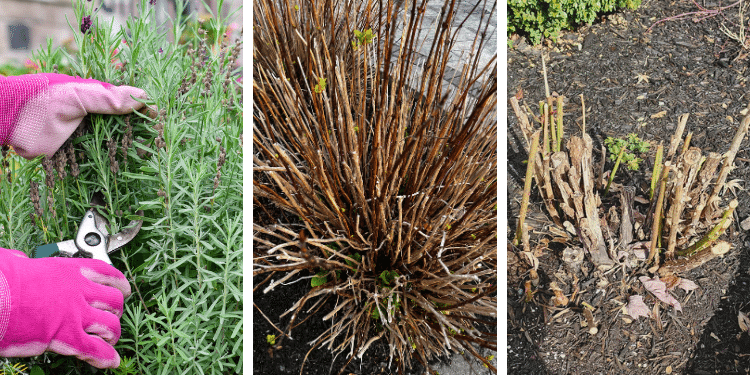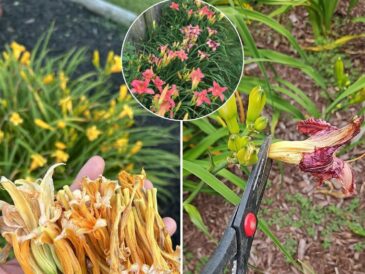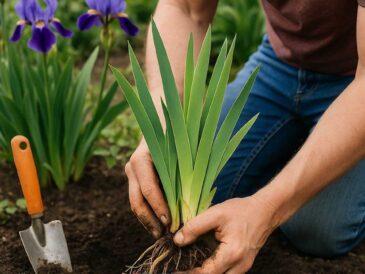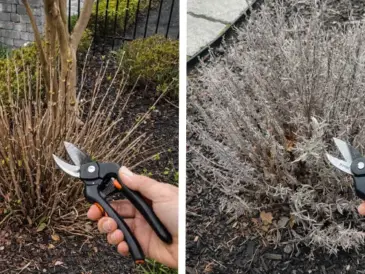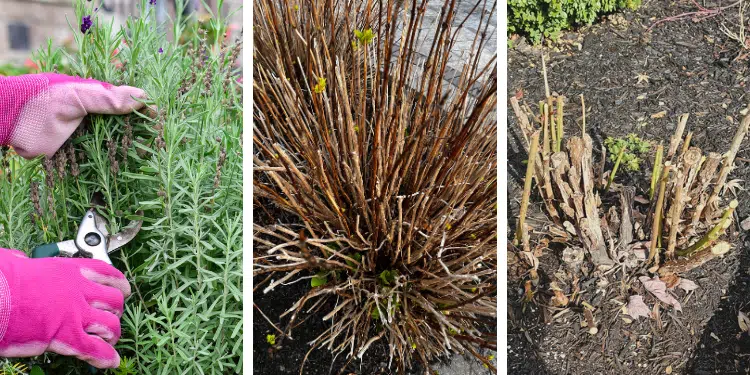
Winter may seem like a dormant, inactive period in the garden, but for many perennials, January and February are critical months.
What you do – or don’t do – during this time directly affects how strong, full, and healthy your plants will be in spring and summer.
Late-winter pruning is not about forcing growth. It’s about resetting the plant, removing what no longer serves it, and allowing stored energy to be redirected into vigorous new shoots.
When done correctly, pruning during January and February leads to stronger stems, better airflow, fewer diseases, and dramatically improved flowering.
Why Pruning Perennials in Late Winter Is So Important
Pruning during January and February offers several unique advantages:
- Plants are dormant or semi-dormant
- Energy is stored safely in the roots
- Cuts cause minimal stress
- Disease and pest pressure is low
- Plant structure is easy to see
This timing allows plants to heal quickly once spring growth begins, producing stronger, healthier growth than plants pruned too late or not at all.
1. Lavender
Lavender is one of the most commonly mispruned perennials – and winter pruning is often the missing key to better blooms.
Why prune lavender in January–February
Lavender blooms on new growth. Without regular pruning, it becomes woody, sparse, and far less productive.
How to prune
- Remove dead, frost-damaged tips
- Cut back up to one-third of the plant
- Stop before reaching hard, woody stems
- Maintain a rounded shape
What happens if you don’t
- Woody, leggy plants
- Fewer flower spikes
- Shorter flowering period
Light late-winter pruning prepares lavender for dense, fragrant spring blooms.
2. Roses
Roses depend on late-winter pruning more than almost any other perennial.
Why roses need January–February pruning
Most modern roses flower on new season growth. Pruning forces the plant to push strong, productive canes.
How to prune
- Remove dead, weak, and crossing stems
- Cut back to outward-facing buds
- Reduce height by 30–50%
- Open the center for airflow
Benefits
- Larger blooms
- Better shape
- Fewer diseases
- Longer flowering season
Unpruned roses often grow tall but bloom poorly.
3. Hydrangea (Panicle & Smooth Types)
Not all hydrangeas should be pruned in winter – but panicle and smooth hydrangeas must be.
Why timing matters
These types bloom on new wood, making late winter the perfect time to prune without losing flowers.
How to prune
- Cut stems back to 30–60 cm (12–24 inches)
- Remove thin or weak growth
- Shape for strong structure
What happens if you skip pruning
- Floppy stems
- Smaller flower heads
- Poor plant form
Late-winter pruning produces bigger, sturdier blooms.
4. Buddleia (Butterfly Bush)
Butterfly bush grows extremely fast and needs firm pruning to stay healthy.
Why prune in January–February
Buddleia flowers on new growth and responds best to hard pruning.
How to prune
- Cut back to 30–45 cm (12–18 inches)
- Remove all dead wood
- Keep strong central stems
Benefits
- Massive flower spikes
- Compact growth
- Extended blooming
Without pruning, buddleia becomes tall, messy, and weak.
5. Perennial Salvias
Woody salvias thrive with late-winter pruning.
Why prune now
Salvia stores energy at the base and pushes new shoots once pruned early.
How to prune
- Remove dead stems
- Cut back to green growth
- Shape lightly
Benefits
- Bushier plants
- More flowers
- Longer bloom season
Skipping pruning leads to woody plants with sparse flowers.
6. Ornamental Grasses (Deciduous Types)
Deciduous ornamental grasses must be cut back before new growth begins.
Why prune in winter
Old growth traps moisture, blocks sunlight, and harbors disease.
How to prune
- Cut back to 5–10 cm (2–4 inches)
- Remove debris from the center
- Wear gloves (edges can be sharp)
Benefits
- Clean new growth
- Better airflow
- Healthier clumps
Leaving old growth weakens new shoots.
7. Clematis (Group 3 Varieties)
Clematis pruning mistakes are common – but Group 3 clematis require late-winter pruning.
Why prune now
Group 3 clematis bloom on current season growth.
How to prune
- Cut back to 30–45 cm (12–18 inches)
- Leave 2–3 strong buds per stem
- Remove weak growth
Benefits
- Flowers from bottom to top
- Strong vines
- Better structure
Unpruned plants flower only at the top.
8. Catmint (Nepeta)
Catmint is tough but benefits greatly from winter pruning.
Why prune in January–February
Old stems suppress new growth and reduce flowering.
How to prune
- Cut back dead stems
- Shape lightly near the base
Benefits
- Compact growth
- Stronger stems
- More flowers
This prevents flopping later in the season.
9. Russian Sage (Perovskia)
Russian sage blooms on new wood and needs early pruning.
Why prune now
Old woody stems delay growth and reduce flower quality.
How to prune
- Cut back to 30–45 cm (12–18 inches)
- Remove all dead wood
Benefits
- Strong upright growth
- Better flowering
- Improved shape
Unpruned Russian sage often collapses mid-season.
10. Yarrow (Achillea)
Yarrow benefits from winter cleanup and shaping.
Why prune in late winter
Removing old growth improves airflow and prevents disease.
How to prune
- Cut back dead stems
- Remove weak growth
Benefits
- Strong basal growth
- Healthier foliage
- Improved flowering
Winter pruning sets the stage for vigorous spring regrowth.
Perennials You Should NOT Prune in January or February
Equally important is knowing what not to prune.
Avoid pruning:
- Lilacs
- Forsythia
- Azaleas
- Rhododendrons
- Spring-flowering shrubs
These bloom on old wood, and winter pruning removes flower buds.
Common Winter Pruning Mistakes
Avoid these errors:
- Pruning too late after growth starts
- Cutting into hard, lifeless wood incorrectly
- Over-pruning weak plants
- Using dull or dirty tools
Clean, sharp cuts prevent disease and speed healing.
Tools You’ll Need
- Sharp bypass pruners
- Loppers for thick stems
- Disinfectant (alcohol or bleach solution)
- Gloves
Always clean tools between plants.
How Late-Winter Pruning Transforms Plant Health
Pruning in January and February:
- Redirects energy to new growth
- Improves airflow
- Reduces pests and disease
- Enhances flowering
- Improves plant shape
Plants pruned at the right time don’t just survive – they thrive.
When to Delay Pruning
Delay pruning if:
- Extreme cold is forecast
- Plants are newly planted
- Stems are still green and flexible
Timing should always respect weather conditions.
January and February pruning isn’t about tidying – it’s about plant health, structure, and performance.
The perennials you prune now will reward you with stronger growth, better blooms, and fewer problems throughout the season.