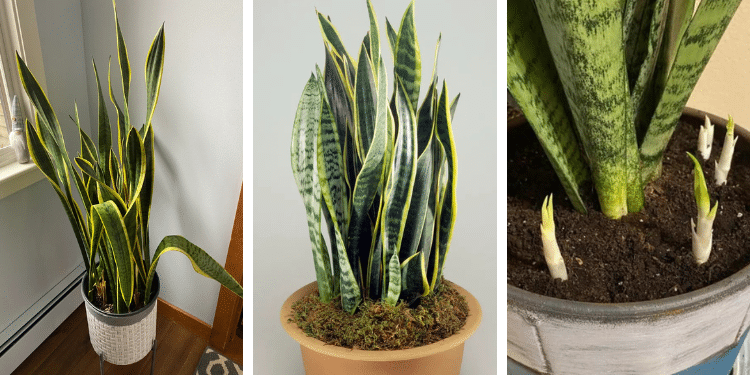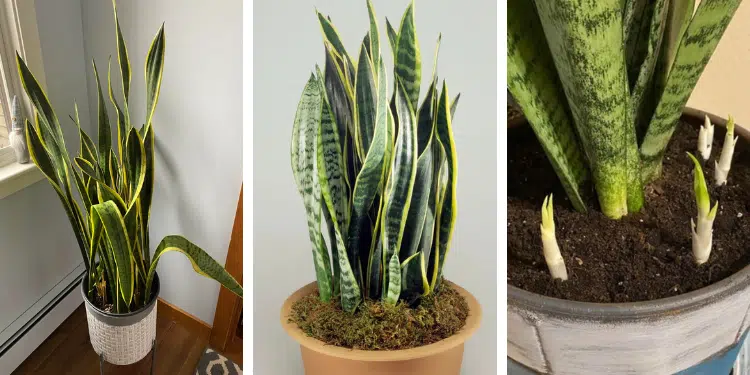
Snake plants are famous for being tough, adaptable, and almost impossible to kill. They tolerate low light, dry air, missed waterings, and long periods of neglect better than most houseplants.
That reputation often leads people to believe snake plants should also grow quickly and effortlessly. When months pass with no new leaves or pups, frustration sets in.
The reality is more nuanced. Snake plants are naturally slow growers, but when growth completely stops, it’s usually because something in their environment is quietly holding them back.
These issues don’t always cause visible damage. Instead, the plant survives, stays green, and simply pauses growth.
First, Understand How Snake Plants Grow
Before assuming something is wrong, it’s important to reset expectations. Snake plants don’t grow continuously like pothos or philodendrons.
Indoors, they grow in cycles. Much of their energy goes into underground rhizomes and root systems before anything appears above the soil.
It’s completely normal for a healthy snake plant to show no visible growth for several months, especially in fall and winter.
However, if a plant hasn’t produced new leaves or pups for a year or more during warm, bright months, something is likely interfering with its natural rhythm.
Mistake 1: Too Little Light, Even If the Plant Looks Fine
Low light is the most common reason snake plants stop growing. While they are often labeled as “low-light plants,” that description is misleading. Snake plants tolerate low light, but they do not thrive in it.
In dim conditions, the plant reduces photosynthesis. Less energy means less growth. The plant stays alive, but new leaves simply don’t form.
This is why snake plants placed in dark corners often look healthy yet remain unchanged year after year.
Brighter indirect light dramatically improves growth. A spot near a window with filtered sunlight, or even a few hours of gentle morning sun, can make a noticeable difference.
Increased light doesn’t just speed growth – it’s often what starts growth in the first place.
Mistake 2: Overwatering That Never Looks Like a Problem
Overwatering doesn’t always cause immediate rot. In snake plants, it often shows up as stagnation rather than collapse.
When soil stays moist for long periods, roots struggle to breathe. Oxygen deprivation reduces nutrient uptake and slows internal processes. The plant survives, but growth halts while it focuses on basic maintenance.
Many snake plants are watered too frequently simply because they’re easy to forget. The soil should dry out completely between waterings.
In winter, this can mean watering once every three or even four weeks. In summer, slightly more often – but still sparingly.
A snake plant would rather be dry than wet. Consistent dryness between waterings is one of the strongest growth signals you can give it.
Mistake 3: A Pot That’s Too Large
This mistake surprises many plant owners. Intuitively, a larger pot seems like it would encourage growth. For snake plants, the opposite is often true.
When planted in an oversized pot, the roots focus on expanding into empty soil instead of pushing out new leaves.
The extra soil also holds moisture longer, increasing the risk of overwatering and slowing growth even further.
Snake plants grow best when slightly root-bound. A snug pot encourages the plant to produce pups and new leaves rather than endless roots.
If your snake plant hasn’t grown since being repotted into a much larger container, the pot size may be the issue.
Mistake 4: Dense, Water-Retentive Soil
Even with careful watering, the wrong soil can stop growth entirely. Standard potting mixes are often too dense for snake plants. They hold moisture, compact around roots, and restrict airflow.
Snake plants evolved in dry, sandy environments where roots receive plenty of oxygen. When soil stays heavy and wet, roots function poorly, and growth slows to a crawl.
A fast-draining mix is essential. When roots can breathe, nutrient uptake improves, internal energy increases, and growth resumes naturally.
Mistake 5: Temperatures That Are Too Cool
Snake plants are tropical and subtropical plants. While they tolerate cooler conditions, they don’t grow well in them.
Temperatures below about 15°C (60°F) slow metabolic activity significantly. Cold floors, drafty windows, and unheated rooms can all contribute to a plant that looks healthy but refuses to grow.
Warmth is a powerful growth trigger. Stable indoor temperatures between 18 and 30°C (65–85°F) support active root and leaf development. Even small improvements in warmth can restart growth in a stalled plant.
Mistake 6: No Nutrients for Years
Snake plants are not heavy feeders, but they still need nutrients. Plants that have lived in the same soil for many years may simply be running on empty.
Over time, essential minerals are depleted. Without them, the plant can’t support new tissue growth, even if light and water are adequate.
This is especially common in older snake plants that haven’t been repotted or fertilized in a long time.
Light feeding during spring and summer can help. A diluted, balanced fertilizer applied sparingly is enough.
Overfeeding does more harm than good, but gentle, consistent nourishment supports renewed growth.
Mistake 7: Seasonal Dormancy Mistaken for a Problem
Sometimes, the plant isn’t struggling at all – it’s resting.
Snake plants naturally slow down when daylight hours shorten and temperatures drop. During fall and winter, growth often pauses completely.
Leaves remain firm and upright, color stays healthy, and nothing appears to happen.
This is not failure. It’s dormancy.
Growth usually resumes when days lengthen and warmth returns. If your snake plant looks healthy but hasn’t grown during winter, patience may be all that’s needed.
Mistake 8: Roots That Are Too Constricted
While snake plants like tight pots, there is a limit. When roots become severely compacted, growth can stall because the plant physically has nowhere to expand.
Signs of excessive root binding include bulging pots, roots emerging from drainage holes, and water rushing straight through the soil without absorption. In this case, the plant isn’t conserving energy – it’s constrained.
Repotting one size up, not more, provides just enough space to support new growth without encouraging excessive moisture retention.
Mistake 9: Expecting Fast Growth From a Slow Plant
One of the biggest misunderstandings about snake plants is growth speed. Even under ideal conditions, snake plants are slow growers indoors.
Some varieties grow faster than others, but none are rapid. New leaves often appear in bursts rather than steadily. A plant may do nothing for months, then suddenly produce a new leaf or pup when conditions align.
This growth pattern is normal. Constant interference – repotting, moving, adjusting, overwatering – often delays growth rather than encouraging it.
How to Gently Restart Growth
If your snake plant hasn’t grown in a long time, the solution is usually simple. Increase light, ensure excellent drainage, reduce watering, and keep the plant warm. Feed lightly during the growing season and avoid unnecessary disturbance.
In many cases, growth resumes quietly within a few weeks. A new leaf may appear slowly at the base, or a pup may emerge underground before becoming visible.
When Slow Growth Is Actually a Warning
While slow growth is usually harmless, there are times when it signals a real problem.
Mushy leaves, a soft base, blackened tissue, or a foul smell from the soil indicate rot or cold damage. These require immediate action.
If leaves remain firm, upright, and green, the plant is almost always healthy – even if it isn’t growing.
When a snake plant stops growing, it’s rarely stubbornness or poor genetics. It’s responding logically to its environment.
Low light, excess moisture, cool temperatures, depleted soil, or unrealistic expectations are usually at the root of the problem.