In recent years, home remedies have gained significant popularity, offering alternative solutions to common health and hygiene issues. Among the myriad of DIY health hacks, using hydrogen peroxide for ear cleaning has emerged as a topic of interest. Many people claim it helps with earwax buildup and other ear-related concerns, but does it really work?
Intrigued by the potential of hydrogen peroxide as an ear-cleaning agent, I decided to embark on a three-day experiment. By applying five drops of 3% hydrogen peroxide in each ear once a day, I aimed to discover the truth behind this viral hack. Here’s a detailed account of my experience.
Understanding Hydrogen Peroxide
Hydrogen peroxide is a chemical compound with the formula H2O2. In its pure form, it is a pale blue liquid that appears colorless in a dilute solution. It is widely used for its antiseptic properties and is available in various concentrations, with 3% being common for household use. The compound acts as a mild antiseptic when applied to the skin to prevent infection of minor cuts, scrapes, and burns.
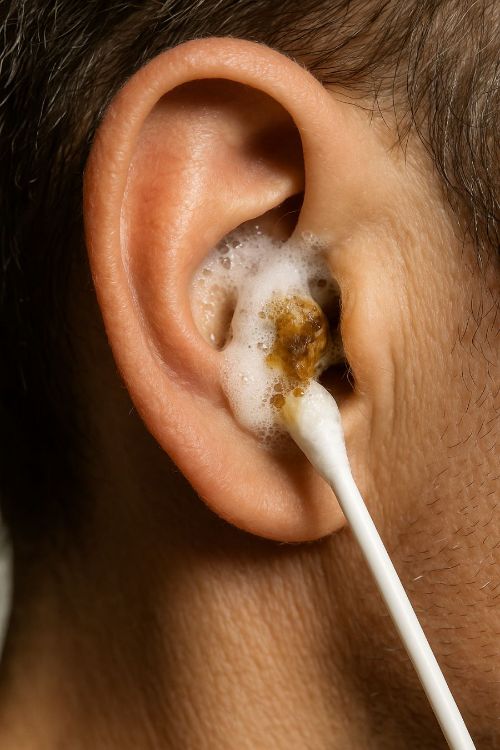
When hydrogen peroxide is introduced to the ear canal, it reacts with the earwax (cerumen) and releases oxygen, causing bubbling and foaming. This reaction can help soften and break down earwax, making it easier to remove. However, the safety and efficacy of this method depend on the concentration used and the frequency of application.
Why People Use Hydrogen Peroxide in Ears
The use of hydrogen peroxide in ears is primarily aimed at addressing earwax buildup. Earwax, while beneficial for protecting and lubricating the ear canal, can become problematic when it accumulates excessively, leading to discomfort, hearing loss, or infections.
Aside from earwax removal, some individuals believe that hydrogen peroxide can help alleviate ear infections and reduce itching in the ear canal. However, it is essential to approach these claims with caution, as improper use can lead to irritation or damage to the ear.
The Viral Hack: 5 Drops a Day
The idea of using five drops of 3% hydrogen peroxide in each ear daily has gained traction online, with many claiming it provides quick relief from earwax buildup. This simple procedure involves tilting the head to the side, applying the drops, and allowing them to sit for a few minutes before draining.
Proponents of this hack suggest that the bubbling action not only helps break down wax but also provides a soothing sensation. Despite its popularity, it is crucial to consider individual ear health and seek medical advice when necessary before trying this at home.
Safety Considerations Before Trying
Before experimenting with hydrogen peroxide in the ears, it is vital to consider potential risks. Individuals with ear infections, perforated eardrums, or chronic ear problems should avoid this method. It is also essential to use only the recommended concentration (3%) to prevent irritation or damage.
Consulting a healthcare professional before starting any ear-cleaning routine is advisable, especially for those with pre-existing conditions or a history of ear issues. Additionally, understanding proper application techniques can help minimize risks and enhance efficacy.
Day 1: Initial Reactions and Feelings
On the first day of my experiment, I applied five drops of 3% hydrogen peroxide into each ear. As expected, I experienced a bubbling sensation accompanied by a mild tickling feeling. This reaction, caused by the release of oxygen, was not uncomfortable but rather intriguing.
After allowing the solution to sit for about five minutes, I tilted my head to drain the liquid. While I didn’t notice any immediate changes, I was curious to see how the subsequent days would unfold.
Day 2: Notable Changes and Observations
Waking up on the second day, I was eager to observe any differences. Upon applying the drops, I noticed a slightly more pronounced bubbling sensation, which I attributed to the continued breakdown of earwax.
Throughout the day, I felt a subtle improvement in my hearing clarity, suggesting that the hydrogen peroxide was beginning to have an effect. This encouraged me to continue with the routine, hoping for more significant results.
Day 3: Final Reactions and Overall Experience
By the third day, I had grown accustomed to the process and was curious about the final outcome. The bubbling sensation felt less intense, possibly indicating that the earwax had been sufficiently softened or reduced.
After completing the day’s application, I noticed a marked improvement in hearing clarity and comfort. While the results were not dramatic, they were enough to convince me of the potential benefits of this method when used cautiously.
Potential Benefits Observed
Over the course of three days, the most notable benefit I observed was improved hearing clarity. This suggests that the hydrogen peroxide effectively softened and helped remove excess earwax.
The process also provided a certain degree of ear comfort, likely due to the gentle cleaning action. However, it is important to note that results may vary depending on individual circumstances and ear health.
Possible Side Effects Experienced
While the experiment was generally positive, I did experience minor side effects. Initially, the bubbling sensation was slightly ticklish, and there was a brief period of mild discomfort after each application.
No significant irritation or adverse effects occurred, but this may not be the case for everyone. Individuals with sensitive skin or existing ear conditions should exercise caution, as hydrogen peroxide can potentially cause irritation or exacerbate existing issues.
Expert Opinions on Ear Care
Experts generally advise against frequent or aggressive ear cleaning, as the ear canal is self-cleaning. Audiologists and ENT specialists often recommend leaving earwax alone unless it causes problems.
For those interested in using hydrogen peroxide, experts emphasize the importance of using the correct concentration and consulting a healthcare professional beforehand. They also advise against using hydrogen peroxide if there is any suspicion of an ear infection or eardrum perforation.
Alternative Ear Cleaning Methods
Several alternative methods exist for ear cleaning, each with its own set of advantages and limitations. Over-the-counter ear drops, formulated to soften earwax, are readily available and can be a safer option for some
For individuals seeking professional help, ear irrigation performed by a healthcare provider is another alternative. This procedure is generally safe and effective, especially for those with excessive wax buildup. Additionally, maintaining regular ear hygiene and avoiding the insertion of foreign objects can help prevent earwax issues.