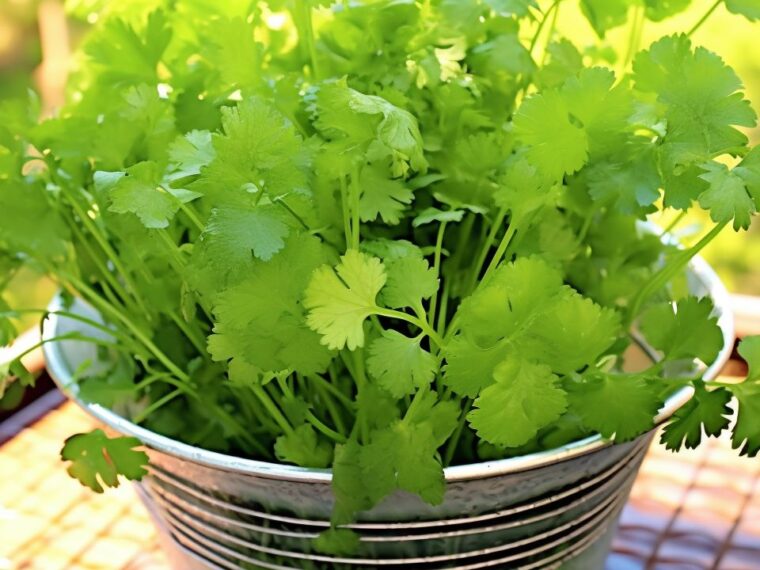
Are you a fan of fresh, aromatic cilantro but find it challenging to grow in traditional soil-based gardens? Don’t worry! With the rise of alternative gardening methods, it’s now easier than ever to grow cilantro at home without using soil.
Hydroponics, a soilless gardening technique, offers a straightforward and effective way to cultivate this versatile herb year-round. Specfically, we will be following the Water Culture method. In this step-by-step guide, we’ll walk you through the process of growing cilantro hydroponically, ensuring you have a steady supply of this flavorful herb at your fingertips.
First, you might be wondering, why does this technique work?
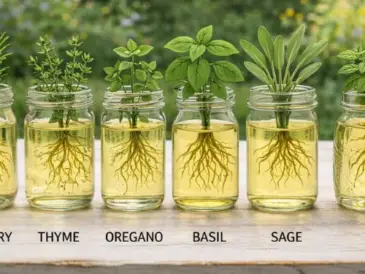
The Water Culture method works for growing cilantro (and other plants) because it provides the essential elements necessary for plant growth directly to the roots without the need for soil.
The Water Culture method is an effective hydroponic technique for growing cilantro due to its direct nutrient access, increased oxygen availability, reduced risk of soil-borne diseases, water efficiency, and year-round cultivation capabilities.
By suspending the cilantro’s roots in a nutrient-rich water solution, this method allows for easy absorption of essential minerals and promotes healthier and faster plant growth.
The absence of soil minimizes the risk of diseases and pests, while the controlled environment ensures optimal conditions regardless of the season. With its space-saving and versatile nature, the Water Culture method enables continuous harvests of fresh and aromatic cilantro right from the comfort of your home.
How to grow cilantro hydroponically:
Step 1: Gather Your Supplies
Cilantro seeds or seedlings
A container or jar large enough to hold the roots of the cilantro plants
Hydroponic nutrient solution (specifically formulated for hydroponic use)
pH testing kit
Grow lights (if growing indoors)
Timer (if needed for your grow lights)
Step 2: Prepare the Container
Choose a container that can support the cilantro plants and hold water without any leakage. You can use a plastic or glass jar with a wide mouth or any other suitable container. Clean the container thoroughly before use.
Step 3: Prepare the Nutrient Solution
Fill the container with water, leaving enough space at the top to prevent overflowing. Add the hydroponic nutrient solution to the water according to the manufacturer’s recommended dilution. The nutrient solution provides essential minerals for the cilantro’s growth.
Step 4: Adjust pH Levels
Using the pH testing kit, check the pH level of the nutrient solution. Cilantro prefers a slightly acidic environment with a pH range of 6.0 to 6.7. If the pH is too high or too low, adjust it accordingly using pH-up or pH-down solutions until it falls within the ideal range.
Step 5: Plant Your Cilantro
If you’re starting from seeds, place them in a growing medium like rockwool cubes or grow sponges. Moisten the medium with the nutrient solution and place it in the container, making sure the bottom of the medium touches the water to keep it moist.
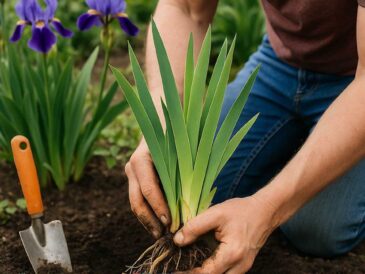
For those using seedlings, gently transplant them into the growing medium while taking care not to damage the roots. Ensure the roots are well submerged in the nutrient solution.
Step 6: Provide Adequate Lighting
Cilantro requires a minimum of 6 to 8 hours of sunlight daily. If you’re growing indoors or in an area with insufficient natural light, use appropriate grow lights. Position the lights above the cilantro plants at a height where they receive adequate illumination without causing heat stress.
Step 7: Monitor and Maintain
Regularly check the water level in the container, topping it up as needed to ensure the roots are continuously submerged. Keep an eye on the nutrient solution, as the plants will consume it over time. Add fresh nutrient solution when necessary, following the recommended dilution
Step 8: Harvesting Cilantro
Cilantro grows quickly, and you can start harvesting the leaves once they reach a usable size, typically within 3 to 4 weeks. Harvest by snipping the outer leaves, leaving the inner ones to continue growing.