Here’s how to reuse banana peels the right way for New Year plant care.
Introduction
As we step into the new year, many of us are looking for ways to renew our commitment to sustainability. One simple and effective way to contribute to a greener planet is by reusing banana peels in our plant care routines. Instead of discarding them, banana peels can be a valuable resource for your garden and houseplants, offering a host of nutrients that can help them thrive.
In this article, we will explore the various ways you can incorporate banana peels into your plant care regimen. From making nutrient-rich banana peel water to using them as a slow-release fertilizer, we’ll guide you through the best practices for utilizing this often-overlooked resource. Whether you’re a seasoned gardener or a new plant parent, these tips will help you kick off the new year with a healthier, more sustainable approach to plant care.
1. Why Banana Peels Belong in Your New Year Plant Routine
Banana peels are a fantastic addition to your plant care routine because they are rich in essential nutrients that promote healthy plant growth. They contain potassium, phosphorus, and calcium, which are vital for plant health. Potassium helps strengthen plant stems and improves resistance to disease, while phosphorus is crucial for root development and flower production.
Incorporating banana peels into your plant care routine is also an environmentally friendly practice. Instead of contributing to landfill waste, you can repurpose this organic material to enrich your soil and support your plants. This sustainable approach aligns perfectly with the ethos of starting the new year on a green note.
2. The Science: What Nutrients Banana Peels Actually Provide
Banana peels are packed with nutrients that can significantly benefit your plants. They are particularly high in potassium, which makes up about 42% of their total nutrient content. Potassium is essential for various plant processes, including photosynthesis and water regulation.
In addition to potassium, banana peels contain approximately 3.25% phosphorus and 19.2% calcium. Phosphorus supports root development and helps plants convert solar energy into chemical energy, while calcium strengthens cell walls and aids in nutrient absorption. By using banana peels, gardeners can provide these nutrients in a natural and gentle way.
3. Viral Banana Peel Water: How to Make It Safely (And When to Skip It)
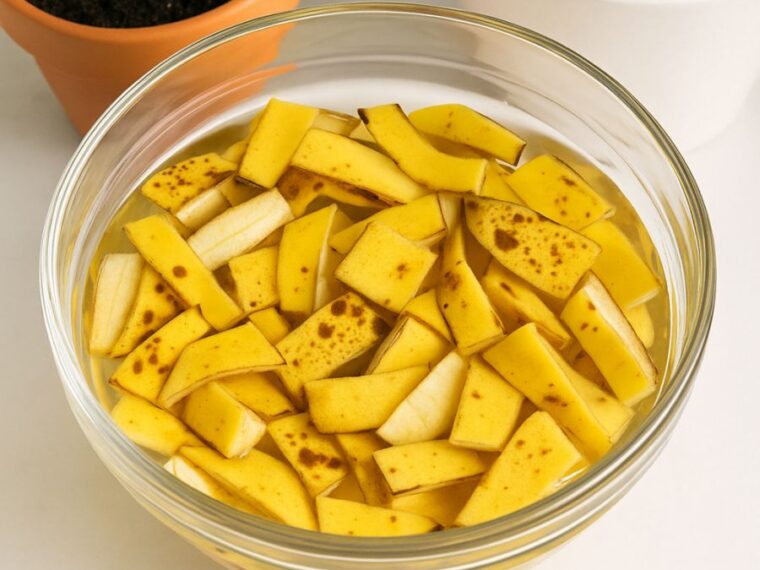
Banana peel water has become a popular trend among plant enthusiasts, but it’s important to make it correctly to avoid potential pitfalls. To make banana peel water, simply chop up two or three banana peels and soak them in a liter of water for 24 to 48 hours. Strain the liquid and use it to water your plants once a month.
However, it’s crucial to know when to skip banana peel water. If you notice any mold or foul smell during the soaking process, discard the mixture immediately. Also, avoid using banana peel water on succulents or cacti, as they require a different nutrient balance and can suffer from overwatering.
4. How to Bury Banana Peels Without Attracting Pests or Mold
Burying banana peels directly in your garden is an effective way to enrich your soil, but it must be done correctly to prevent attracting pests or mold. Cut the banana peels into small pieces to speed up decomposition and bury them at least 6 inches deep in the soil. This depth ensures that pests like fruit flies are not attracted to the surface.
To further reduce the risk of mold, ensure the soil is well-drained and avoid burying the peels in overly wet conditions. You can also mix the peels with dried leaves or grass clippings to balance moisture levels and enhance decomposition.
5. Slow-Release Fertilizer: Drying and Powdering Banana Peels
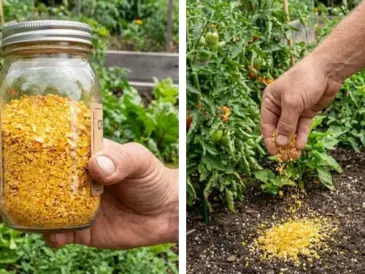
For a long-term nutrient boost, consider drying and powdering banana peels to create a slow-release fertilizer. Start by laying the peels out in a single layer under the sun or in a dehydrator until they are completely dry and brittle. Once dried, grind them into a fine powder using a blender or food processor.
This banana peel powder can be sprinkled around the base of your plants, providing a steady supply of nutrients as it breaks down. Use about 1 tablespoon per plant every month for the best results. This method is particularly beneficial for flowering plants and vegetables.
6. Banana Peel Tea vs. Compost: Choosing the Right Method for Each Plant
Banana peel tea and compost each offer unique benefits, and choosing the right method depends on your plants’ needs. Banana peel tea is ideal for a quick nutrient boost, particularly for flowering plants and vegetables that require more potassium during the growing season.
On the other hand, composting banana peels is a more holistic approach that improves soil structure and provides a balanced range of nutrients over time. This method is suitable for a wide variety of plants and is especially beneficial for soil health in garden beds and outdoor pots.
7. Houseplants First: Using Banana Peels Indoors Without Bad Smells
Using banana peels indoors can be tricky due to the potential for unpleasant odors, but there are ways to avoid this. One method is to create banana peel vinegar by fermenting chopped peels in a jar of water with a tablespoon of sugar for two weeks. Strain the liquid and dilute it with water before using it as a plant spray.
Alternatively, dry the peels and grind them into a powder as mentioned earlier. This odorless powder can be mixed into potting soil or sprinkled on top to provide nutrients without the risk of smells. Always ensure that any liquid applications are used sparingly to prevent overwatering indoor plants.
8. Outdoor Garden Boost: New Year Soil Prep With Banana Peel Amendments
As you prepare your garden for the new year, consider using banana peel amendments to enrich your soil. Burying chopped banana peels in your garden beds will help improve soil fertility over time. This practice is particularly effective in vegetable gardens, where nutrient demand is high.
For an even distribution of nutrients, you can also make a simple banana peel compost by layering peels with other organic materials like grass clippings and kitchen scraps. Turn the compost regularly to enhance decomposition and ensure a rich, balanced soil amendment by spring.
9. Bananas and Bugs: What Banana Peels Really Do for Pests and Disease
Banana peels are known to have some pest-repelling properties, although their effectiveness can vary. The potassium content may help strengthen plants against pests, while the peels themselves can deter aphids when laid around affected plants. However, they are not a foolproof solution and should be part of a broader pest management strategy.
It’s important to note that while banana peels can contribute to plant health, they don’t directly cure diseases. Instead, they improve overall plant vigor, making plants more resilient to diseases when combined with proper care and a balanced diet of nutrients.
10. Common Banana Peel Mistakes That Can Harm Your Plants
One common mistake is using too many banana peels, which can lead to nutrient imbalances and attract pests. Moderation is key; aim to use one or two peels per plant every month. Overuse can also lead to mold growth, especially if the peels are not buried deeply enough.
Another mistake is assuming banana peels can replace a comprehensive plant care regimen. While they are a good source of potassium, they lack other essential nutrients like nitrogen and magnesium. Ensure your plants receive a balanced diet by combining banana peels with other organic fertilizers and soil amendments.
11. Safe Banana Peel Use for Different Plant Types (From Roses to Monstera)
Different plants have varying nutrient needs, so it’s important to tailor your banana peel use accordingly. Roses, for instance, benefit from the potassium in banana peels, which can enhance bloom production. Bury a chopped peel at the base of each rose bush every month during the growing season.
For Monstera and other tropical houseplants, use banana peel water sparingly to avoid overwatering. A monthly application should suffice, ensuring the plant receives additional nutrients without waterlogging. Always monitor your plants’ responses and adjust your care routine as needed.
12. How to Store and Batch-Prep Banana Peels All January Long
To keep banana peels handy throughout January, consider batch-prepping them by drying and storing them in an airtight container. This method keeps them ready for use as a powder or for making banana peel tea.
For those who prefer fresh peels, freeze them in a zip-lock bag. This not only preserves the peels but also breaks down the cell walls, making the nutrients more readily available when you use them. Simply thaw the peels before use in your garden or houseplants.
13. Going Beyond the Hack: Combining Banana Peels With Smart Plant Care Habits
Using banana peels is just one aspect of a comprehensive plant care strategy. To maximize their benefits, combine them with other smart habits like regular watering, proper sunlight exposure, and routine pruning. This holistic approach ensures that your plants receive the full spectrum of care they need to thrive.
Consider integrating banana peels into your existing fertilization schedule, supplementing with compost or other organic fertilizers as needed. By doing so, you create a balanced environment that supports healthy plant growth year-round. Embrace these practices as part of your new year’s resolution for a greener, more sustainable lifestyle.