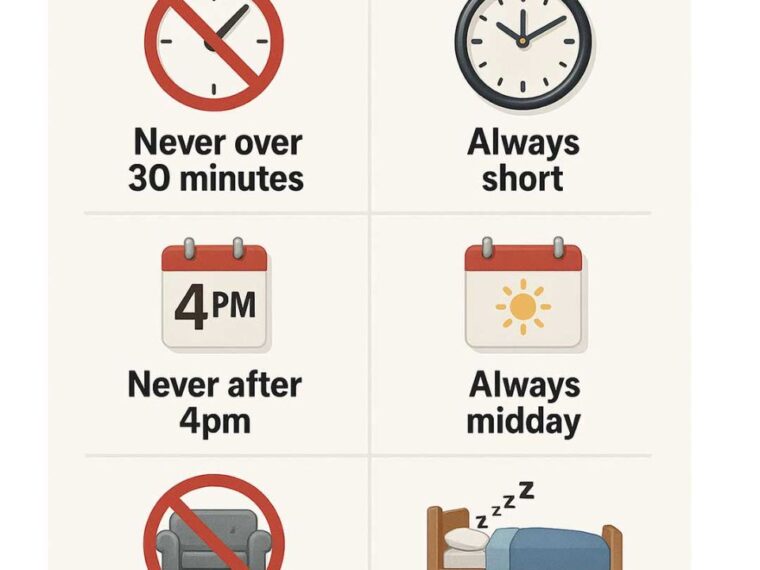
In today’s fast-paced world, sleep often takes a backseat to our busy schedules. However, the art of napping is an underrated skill that can significantly enhance your productivity and overall well-being. While many people dismiss napping as a habit for children or the lazy, the truth is that a well-timed nap can be a powerful tool for adults.
Unfortunately, not all naps are created equal. Many people nap at the wrong time, for the wrong length, or in the wrong environment, leading to grogginess instead of rejuvenation. In this article, we’ll explore the science behind napping and provide you with insights on how to nap correctly to maximize its benefits.
1. The Science Behind Napping: Why It’s Not Just for Kids
Napping is rooted in our biology and has been a part of human culture for centuries. Studies have shown that a short nap can improve mood, alertness, and performance. Napping has been associated with improved cognitive function, including memory consolidation, which helps you retain information better.
Research indicates that our bodies are naturally programmed for two periods of intense sleepiness: early in the morning between 2 a.m. and 4 a.m., and in the afternoon between 1 p.m. and 3 p.m. This natural dip in alertness is why many people feel the urge to nap after lunch. Understanding this biological rhythm can help you time your naps for maximum effectiveness.
2. The Ideal Nap Length: Why 30 Minutes Is the Magic Number
The length of your nap can make or break its effectiveness. A nap of 10 to 20 minutes, often referred to as a ‘power nap,’ can provide a quick burst of alertness and is ideal if you’re short on time. However, a 30-minute nap is often cited as the optimal duration.
A 30-minute nap allows you to enter the lighter stages of non-REM sleep without going into the deeper stages that can lead to sleep inertia, a groggy feeling that can occur if you wake up from a deep sleep. This duration also allows your brain to rest without entering a full sleep cycle, making it easier to wake up refreshed.
3. Timing Your Nap: Why Midday is Best
Timing is crucial when it comes to napping. The best time to nap is during the natural post-lunch dip in energy levels, between 1 p.m. and 3 p.m. During this period, your body’s circadian rhythms make you feel more sleepy, and a nap can provide the rejuvenation needed to carry you through the rest of the day.
Napping too late in the day can interfere with your nighttime sleep, leading to insomnia or disrupted sleep patterns. By scheduling your nap during this midday window, you can enhance alertness and improve your mood without negatively impacting your overall sleep schedule.
4. The Perfect Nap Environment: Why Light Is Better Than Dark
Creating the right environment is key to a successful nap. While it might seem counterintuitive, a slightly illuminated room can be more conducive to a quick nap than complete darkness. A small amount of light signals to your body that it’s not time for a deep sleep, helping you avoid entering the deeper stages of the sleep cycle.
Keep the room at a comfortable temperature and minimize distractions. Using white noise or calming music can help mask disruptive sounds. Make sure your resting place is comfortable but not too inviting, to avoid the temptation of a prolonged nap.
5. The Right Place to Nap: Why You Should Avoid the Couch
Where you nap is just as important as when and how long you nap. While the couch might seem like a convenient spot, it’s often not the best choice. Couches can encourage poor posture, leading to discomfort and less restful naps.
Ideally, you should nap in a reclined chair or a bed. These options provide better support for your body, allowing you to relax more fully. Ensure that the sleeping surface is firm enough to prevent sinking too deeply, which can make it harder to wake up after a short nap.
6. The Art of the Power Nap: How to Recharge Quickly
The power nap is designed to provide a burst of energy in a short amount of time. Lasting just 10 to 20 minutes, a power nap can quickly rejuvenate you without the risk of entering deep sleep.
To take a successful power nap, set an alarm to ensure you don’t sleep longer than planned. Find a quiet, comfortable spot where you won’t be disturbed. Close your eyes, relax your muscles, and take slow, deep breaths to ease into a light sleep. Even if you don’t fully fall asleep, this short break can help clear your mind and refresh your body.
7. Avoiding Sleep Inertia: How to Wake Up Refreshed
Sleep inertia is the feeling of grogginess and disorientation that can occur after waking from a deep sleep. The best way to avoid sleep inertia is to limit your nap to 30 minutes or less. This prevents you from entering the deeper stages of sleep, which are harder to wake from.
If you do experience sleep inertia, give yourself a few minutes to fully wake up. Exposure to natural light, some light stretching, or a splash of cold water on your face can help combat the grogginess.
8. The Role of Caffeine: To Sip or Not to Sip Before a Nap
Drinking caffeine before a nap might sound counterproductive, but there’s a technique called the ‘coffee nap’ that leverages caffeine’s effects. Caffeine takes about 20 minutes to kick in, so drinking a cup right before a 20-minute nap can lead to increased alertness upon waking.
This method combines the restorative benefits of a nap with the stimulating effects of caffeine. However, be mindful of your caffeine sensitivity and avoid this approach if it disrupts your nighttime sleep.
9. The Sleep Cycle: Understanding REM and Non-REM Naps
Understanding the sleep cycle can help you optimize your naps. Sleep consists of REM (rapid eye movement) and non-REM stages. Non-REM sleep includes light and deep sleep stages, while REM sleep is when most dreaming occurs.
Short naps mainly involve light non-REM sleep, which is why they are refreshing. Longer naps might include REM sleep, which can be beneficial for creativity and problem-solving but also increases the risk of sleep inertia. Tailor your nap length according to your needs, keeping in mind the potential benefits and drawbacks of each sleep stage.
10. Napping and Productivity: How a Short Rest Can Boost Your Day
Napping can significantly enhance productivity by improving alertness, concentration, and mood. A well-timed nap can counteract the negative effects of sleep deprivation, boosting your ability to focus and process information.
In workplaces that encourage napping, employees often report increased creativity and problem-solving abilities. By integrating short naps into your routine, you can maintain high levels of productivity throughout the day.
11. Popular Nap Hacks: What Works and What Doesn’t
There are many popular nap hacks, but not all are effective. Techniques like the coffee nap and strategic napping based on your sleep cycle can be beneficial. However, excessive reliance on naps or using them as a substitute for proper nighttime sleep can lead to negative consequences.
It’s essential to listen to your body’s signals and use naps to supplement, not replace, your regular sleep. Experiment with different nap lengths, times, and environments to find what works best for you, keeping in mind the guidelines discussed in this article.