One of the most satisfying feelings in gardening is being able to harvest your vegetables multiple times from a single planting.
That’s exactly what “cut-and-come-again” gardening is all about – and it’s a secret every home gardener should know.
Cut-and-come-again is a simple, sustainable harvesting method where you cut the leaves or outer stalks of a plant while leaving the crown and roots intact. The plant then regenerates, growing fresh leaves and shoots for future harvests – often stronger than before.
Why Grow Cut-and-Come-Again Vegetables?
Cut-and-come-again gardening offers major benefits for any grower – whether you have a backyard bed or a sunny balcony:
- Multiple harvests: One planting produces food for months.
- Less work: No constant replanting or reseeding needed.
- Healthier plants: Regular cutting encourages bushier, more productive growth.
- Fresher food: You can pick just what you need – straight from the garden.
- Sustainable & economical: Reduces waste, saves seeds, and maximizes small spaces.
It’s the perfect balance between productivity and simplicity.
1. Lettuce (Loose-Leaf and Romaine)
One of the easiest and most popular cut-and-come-again crops.
Lettuce varieties like ‘Salad Bowl,’ ‘Oakleaf,’ ‘Buttercrunch,’ and romaine regrow quickly after harvesting.
How to Harvest:
- Cut or pinch off the outer leaves about 1 inch above the base.
- Leave the crown intact – the inner leaves will continue growing.
- Water regularly after cutting to stimulate regrowth.
Tip: Avoid cutting too close to the crown – you want to leave a few small inner leaves to fuel new growth.
2. Kale
Kale is the ultimate continuous producer. With its sturdy leaves and resilient nature, it can yield for months – even over winter in mild climates.
How to Harvest:
- Begin picking outer, mature leaves once the plant is about 8 inches tall.
- Always leave 4–6 young leaves in the center to keep photosynthesis active.
- Harvest regularly to encourage tender regrowth.
Varieties to Try: ‘Lacinato’ (Dinosaur kale), ‘Red Russian,’ and ‘Curly Kale’ – all highly productive.
3. Spinach
Spinach loves cool weather and thrives when harvested with the cut-and-come-again approach.
How to Harvest:
- Snip the outer leaves when they reach about 3–4 inches long.
- Cut about 1 inch above the crown to avoid damaging the growing point.
- The plant will send up new leaves in just a week or two.
Tip: Regular harvesting prevents bolting and extends your growing season.
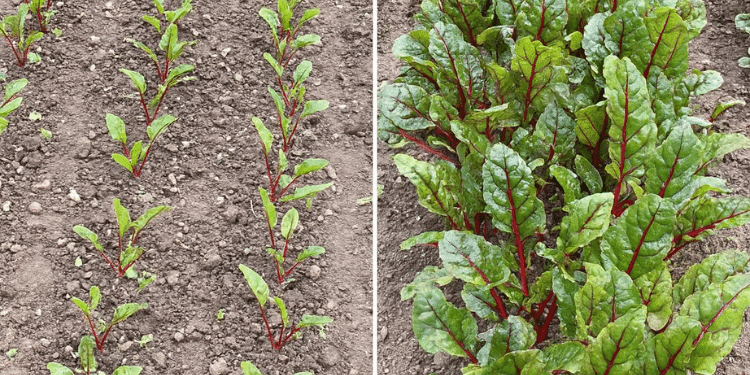
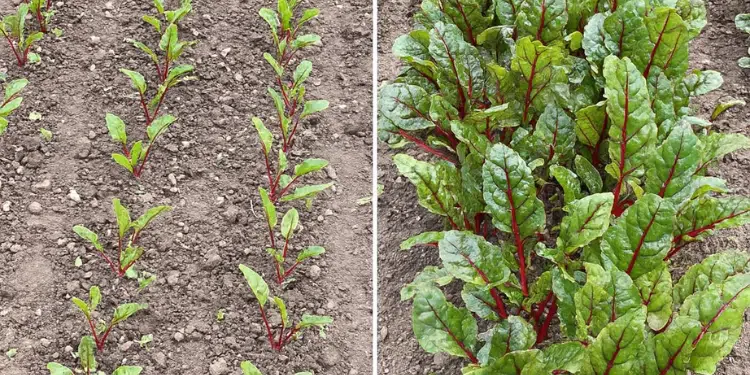
4. Swiss Chard
Swiss chard is a powerhouse green that can produce from spring through fall. Its colorful stems and tender leaves are as beautiful as they are nutritious.
How to Harvest:
- Cut outer stalks near the base, leaving the center growth intact.
- Avoid cutting into the crown.
- New leaves will regrow continuously from the center.
Bonus: Even mature leaves stay tender if harvested young and regularly.
5. Arugula (Rocket)
Arugula grows fast and regrows even faster. Its peppery flavor is best enjoyed young, and the cut-and-come-again method keeps it from becoming too spicy.
How to Harvest:
- Cut leaves 1 inch above soil level once they’re 3–4 inches long.
- Allow time for regrowth before cutting again.
- You can usually get 3–4 full harvests from one planting.
Tip: Plant new seeds every few weeks for a continuous harvest through the season.
6. Mustard Greens
Mustard greens are a cool-season crop that keeps regenerating when harvested correctly. Their tender young leaves are perfect for salads, stir-fries, and soups.
How to Harvest:
- Snip outer leaves with scissors, leaving the center rosette intact.
- Avoid removing too many leaves at once.
- Regrowth happens within 10–12 days.
Varieties to try: ‘Southern Giant Curled,’ ‘Mizuna,’ and ‘Red Giant.’
7. Endive and Escarole
These slightly bitter greens are perfect for salads and soups – and they love being harvested the cut-and-come-again way.
How to Harvest:
- Cut outer leaves close to the base, leaving the growing tip untouched.
- Water well after harvesting.
- Regrows 2–3 more times during the season.
Bonus: Cooler weather improves their flavor and reduces bitterness.
8. Pak Choi (Bok Choy)
Bok choy is a true comeback artist. Harvest it partially or completely, and it’ll reward you with more leafy growth.
How to Harvest:
- Cut the outer leaves or the entire plant 1 inch above the soil.
- Keep the crown and roots intact.
- It will regrow smaller but tender shoots in a few weeks.
Tip: In hot weather, partial harvests help prevent premature bolting.
9. Mizuna
This fast-growing Asian green is one of the most reliable cut-and-come-again crops. It has mild, slightly peppery leaves that are great for salads or stir-fries.
How to Harvest:
- Trim leaves about 2 inches above the crown.
- Water well after harvesting.
- Regrows in as little as 10 days.
Bonus: Works beautifully as a “living salad” in containers or raised beds.
10. Beet Greens
You may grow beets for the roots, but their greens are also edible and regrow beautifully after cutting.
How to Harvest:
- Snip a few outer leaves at a time, leaving the inner ones untouched.
- Don’t remove more than one-third of the leaves per harvest.
- The plant continues photosynthesizing and will produce new leaves quickly.
Pro Tip: Younger beet greens are tender and less earthy in flavor.
11. Collard Greens
Collards thrive under repeated harvesting. The more you pick, the more new leaves they’ll produce.
How to Harvest:
- Cut outer leaves near the stem base.
- Always leave the top cluster of young leaves intact.
- Feed with compost or liquid fertilizer after each harvest for ongoing growth.
Bonus: Collards can withstand light frost – they actually get sweeter after it!
12. Celery
Celery is naturally regenerative – whether harvested from soil or water-grown stumps.
How to Harvest:
- Cut outer stalks close to the base, leaving the center shoots.
- Don’t remove too many at once.
- Water consistently to encourage crisp regrowth.
Tip: If you let the base stay intact, celery keeps producing smaller but tender stalks throughout the season.
13. Parsley
Parsley is a biennial herb that grows continuously if harvested properly. Whether curly or flat-leaf, it will regrow for months.
How to Harvest:
- Cut outer stems at the base, leaving inner shoots to continue growing.
- Regular harvesting keeps the plant compact and productive.
- Avoid cutting all leaves at once.
Bonus: In mild climates, parsley overwinters and produces even more the following spring.
14. Cilantro (Coriander)
Cilantro has a short life cycle but can be extended using the cut-and-come-again approach.
How to Harvest:
- Snip outer leaves once plants reach 4–6 inches tall.
- Always leave inner leaves untouched.
- Replant or reseed every few weeks for a continual harvest.
Tip: Keep in partial shade during hot months to prevent early bolting.
15. Garlic Chives (Chinese Chives)
Garlic chives are perennials that thrive for years with regular cutting. They’re a gardener’s dream for low-maintenance, endless greens.
How to Harvest:
- Cut leaves 1 inch above the soil using scissors.
- Allow 2–3 weeks for full regrowth.
- Continue harvesting all season long.
Bonus: They produce edible, fragrant flowers loved by pollinators.
How to Harvest Cut-and-Come-Again Vegetables the Right Way
To make your plants regrow healthy and strong, follow these simple rules:
- Never cut too close to the crown – Leave at least 1 inch of growth so the plant can regenerate.
- Water after every harvest – Cutting stresses the plant; moisture helps recovery and regrowth.
- Feed lightly – Add compost or organic fertilizer every few weeks for ongoing nutrient supply.
- Harvest in the morning – Leaves are crispest and full of water before midday sun hits.
- Rotate harvest sections – For rows or containers, cut one section at a time to give others a chance to recover.
Extend Your Harvest – Smart Gardening Tips
- Succession Planting: Sow new seeds every 2–3 weeks for a rolling supply.
- Choose the Right Spot: Most cut-and-come-again crops prefer 4–6 hours of sunlight and rich, moist soil.
- Container Growing: Many of these veggies grow perfectly in pots – ideal for patios or windowsills.
- Cool-Weather Bonus: Most leafy greens thrive in fall and spring when temperatures are mild.
The 15 Best Vegetables That Regrow After Cutting
| Vegetable | Type | Harvest Style | Regrowth Speed |
|---|---|---|---|
| Lettuce | Leafy green | Cut outer leaves | 1–2 weeks |
| Kale | Leafy green | Cut outer leaves | 1–2 weeks |
| Spinach | Leafy green | Cut above crown | 1–2 weeks |
| Swiss Chard | Leafy stalk | Cut outer stems | 1 week |
| Arugula | Leafy green | Cut above crown | 10 days |
| Mustard Greens | Leafy green | Snip outer leaves | 10–12 days |
| Endive | Leafy green | Cut outer leaves | 2 weeks |
| Bok Choy | Leafy stalk | Cut 1 inch above soil | 10 days |
| Mizuna | Leafy green | Cut above crown | 10 days |
| Beet Greens | Leafy root top | Cut outer leaves | 1–2 weeks |
| Collards | Leafy green | Cut mature leaves | 1 week |
| Celery | Stalk | Cut outer stalks | 2 weeks |
| Parsley | Herb | Cut outer stems | 1 week |
| Cilantro | Herb | Snip outer leaves | 1 week |
| Garlic Chives | Herb | Cut above soil | 2–3 weeks |
“Cut-and-come-again” vegetables prove that your garden doesn’t have to stop producing after the first harvest.