As the New Year unfolds, many of us take stock of our homes, looking for ways to refresh and rejuvenate our living spaces. For plant enthusiasts, this often means taking a closer look at the health and vitality of our indoor greenery. One common issue that catches the eye is the appearance of brown tips on leaves, a clear sign that something isn’t quite right.
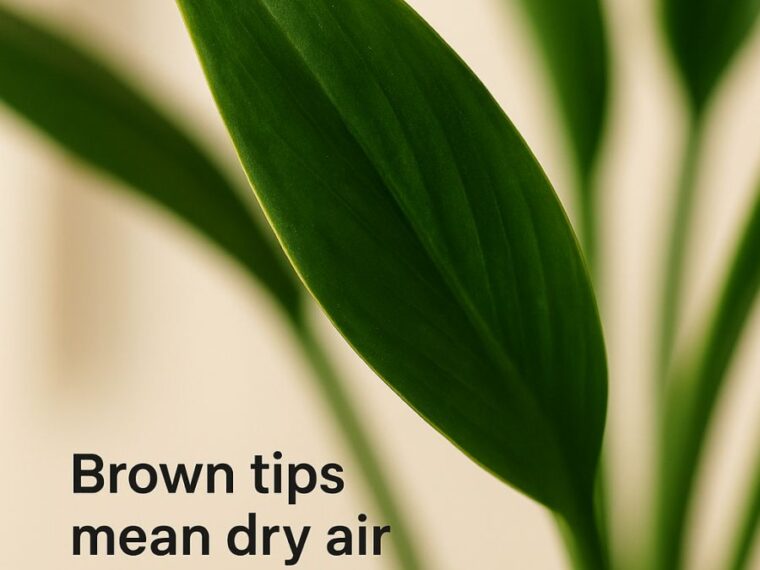
For many houseplants, brown tips are a visible cry for help, often indicating that the air is too dry for their liking. This is particularly true during the winter months, when indoor heating systems are running full blast. Fortunately, with a few simple adjustments, you can improve the humidity levels in your home, ensuring your plants thrive in the New Year.
Why Brown Tips Are Your Plant’s First Cry For Help
Brown tips on plant leaves are often a sign of stress, typically caused by a lack of humidity. When the air is too dry, the moisture in the leaves evaporates more quickly than it can be replenished through the plant’s root system. As a result, the tips of the leaves dry out and turn brown.
Many popular houseplants, like ferns, spider plants, and peace lilies, require humidity levels between 40% to 60% to thrive. However, during the winter months, indoor humidity often drops well below this range, sometimes falling to as low as 20% due to heating systems. Monitoring humidity levels with a hygrometer can help you determine if your home is too dry for your plants.
How Winter Heating Quietly Dries Out Your Home
During the winter, most homes rely on heating systems to maintain a comfortable indoor temperature. However, these systems often reduce the humidity levels in the air. Forced-air heating, in particular, can strip the air of moisture, leading to a dry environment.
The combination of closed windows, reduced ventilation, and constant heating can cause indoor humidity levels to plummet. This dry air not only affects plant health but can also lead to dry skin, respiratory issues, and an overall uncomfortable living environment.
The Simple New Year Humidity Reset Your Plants Need
To help your plants thrive, consider implementing a humidity reset for the New Year. Start by investing in a hygrometer to monitor the humidity levels in your home. If the levels are below 40%, it’s time to take action.
There are several ways to increase humidity, including placing a humidifier in the room, using pebble trays with water under plant pots, or misting plants regularly. Each method has its own benefits and can be adjusted based on your specific needs and the requirements of your plants.
Choosing The Right Humidifier For A Post-Holiday Home
With so many options available, choosing the right humidifier for your home can be overwhelming. Consider the size of the room and the number of plants you have when selecting a humidifier. Ultrasonic humidifiers are a popular choice for plant enthusiasts because they are quiet and efficient.
If you have several plants spread throughout your home, a whole-house humidifier might be a worthwhile investment. Alternatively, placing smaller humidifiers in each room can help maintain consistent humidity levels without over-saturating any particular area.
The Viral Pebble-Tray Hack: Does It Really Work?
The pebble-tray hack has gained popularity on social media as an easy way to increase humidity around plants. By placing a layer of pebbles in a tray and filling it with water, you create a micro-environment that naturally increases humidity as the water evaporates.
While this method is effective for small plants or tight spaces, its impact is limited for larger areas. It’s best used as a supplemental method in conjunction with other humidity-boosting strategies, such as using a humidifier or grouping plants together.
New Year Watering Resolutions To Prevent Crispy Leaves
Adjusting your watering schedule is another important step in preventing brown tips. During the winter, plants often need less water due to reduced growth rates and lower light levels. Overwatering can be just as damaging as underwatering, so it’s essential to strike a balance.
Consider using a moisture meter to check soil moisture levels before watering. Aim to water your plants when the top inch of soil feels dry to the touch, and always ensure pots have adequate drainage to prevent root rot.
Light, Drafts, And Radiators: Rearranging Your Space In January
In addition to adjusting humidity and watering routines, consider the placement of your plants in relation to light sources, drafts, and heating elements. Plants placed too close to radiators or heating vents can dry out quickly, while those near drafty windows may suffer from temperature fluctuations.
Rearrange your plants to maximize natural light while avoiding direct contact with heat sources. Consider using sheer curtains to diffuse sunlight or move plants to brighter spots during the shorter winter days.
Leaf Grooming: Trimming Brown Tips Without Harming The Plant
Trimming brown tips can improve the appearance of your plants and prevent further damage. Use sharp, clean scissors to remove only the brown portions of the leaves, cutting at an angle to mimic the natural shape of the leaf.
Be cautious not to cut into the green, healthy parts of the leaf, as this can stress the plant further. Regular grooming not only keeps your plants looking their best but also encourages new growth and overall plant health.
Soil Checks And Repotting Plans For The Year Ahead
The New Year is an excellent time to check the condition of your plant’s soil and plan for repotting if necessary. Over time, soil can become compacted and lose its ability to retain moisture and nutrients effectively.
Check for signs of soil exhaustion, such as water pooling on the surface or a sour odor. If needed, plan to repot your plants in fresh soil that provides adequate drainage and aeration. This ensures your plants have the right environment to thrive throughout the year.
Turning Your Bathroom Into A Humidity Haven
Bathrooms can be an ideal location for humidity-loving plants due to the naturally higher moisture levels. Consider placing plants like ferns, orchids, or air plants in your bathroom to take advantage of the extra humidity.
Ensure the bathroom has sufficient light for your plants, as many bathrooms lack natural light sources. Using grow lights or placing plants near windows can help them receive the necessary light while enjoying the humid environment.
Grouping Plants: Creating A Mini Indoor Jungle Microclimate
Grouping plants together can create a microclimate that naturally increases humidity levels. As plants transpire, they release moisture into the air, benefiting neighboring plants.
This technique works best with a variety of plant species, as different plants have different transpiration rates. Creating a mini indoor jungle not only boosts humidity but also enhances the aesthetic appeal of your home.
Setting A 10-Minute Weekly Plant Check Ritual For The New Year
Developing a regular plant care routine is key to maintaining plant health. Set aside 10 minutes each week to check on your plants, assessing their water needs, inspecting for pests, and cleaning leaves
Use this time to adjust plant placement, prune dead foliage, and monitor humidity levels. A consistent care routine ensures you catch potential issues early, keeping your plants healthy and vibrant throughout the year.