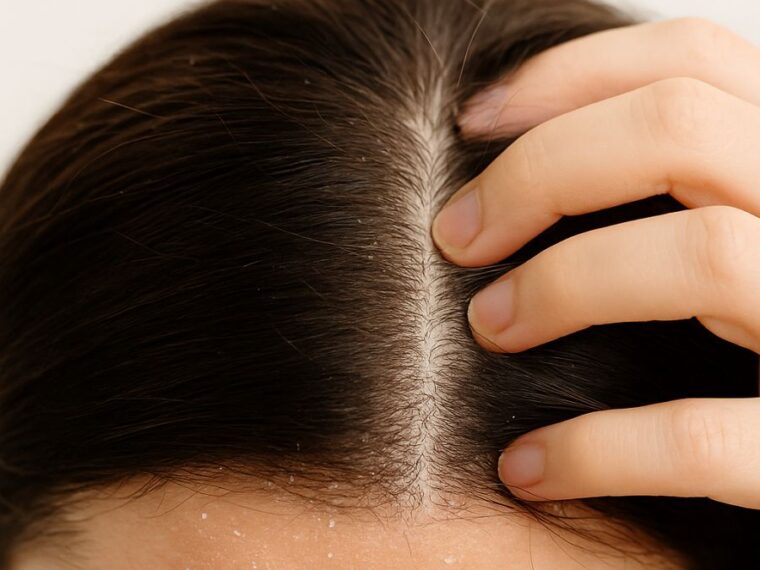
Winter brings with it a crisp chill and the promise of cozy evenings by the fireplace, but it also heralds the arrival of a less pleasant seasonal companion: dry scalp. As the temperature drops, the air becomes drier, and the heated indoors can wreak havoc on our skin, including the delicate skin on our scalp. Many people find themselves dealing with itching, flaking, and irritation that seem to have no easy remedy.
However, there’s hope on the horizon. My mom, a firm believer in simple yet effective home remedies, swears by a trick that takes almost no effort at all. It’s an easy addition to your routine that can make a world of difference in combating the winter scalp woes. In this article, we’ll explore this trick, why it works, and how you can incorporate it into your hair care regimen.
1. Why Winter Makes Your Scalp So Miserable
Winter air is notoriously dry, with humidity levels often dropping below 30%. This lack of moisture in the air is compounded by indoor heating systems, which further strip moisture from the skin. The scalp, like the rest of our skin, relies on a balance of natural oils and moisture to stay healthy. When this balance is disrupted, the result can be a dry, itchy, and flaky scalp.
During winter, the sebaceous glands on the scalp may produce less oil, exacerbating the dryness. Moreover, frequent washing with hot water, a common practice in colder months, can strip the scalp of its natural oils, leading to further irritation. This combination of factors creates a perfect storm for scalp discomfort.
2. The Surprisingly Simple Trick My Mom Swears By
The trick my mom swears by is the nightly application of a light layer of natural oil to the scalp. Her oil of choice is jojoba oil, a lightweight oil that closely resembles the natural sebum produced by our skin. The beauty of this trick is its simplicity: just a few drops massaged gently into the scalp before bed.
Jojoba oil is readily absorbed and doesn’t leave a greasy residue. It’s non-comedogenic, meaning it won’t clog pores, and is suitable for all skin types. This easy step can be done in seconds and doesn’t require any additional products or complicated procedures.
3. What You Need: The One Product (Plus Optional Add-Ons)
The primary product needed for this trick is a bottle of pure, cold-pressed jojoba oil. Look for a high-quality oil, preferably organic, to ensure that it is free of additives and chemicals.
For those who want to enhance the treatment, optional add-ons include a few drops of essential oils like lavender or tea tree oil, which can add a soothing scent and additional skin-soothing properties. Be sure to patch test any new oil to avoid allergic reactions.
4. Step-By-Step: How to Do the Trick in Under Two Minutes
1. Pour a few drops of jojoba oil into the palm of your hand. For most people, about 5-10 drops is sufficient, but you can adjust this based on your hair length and thickness.
2. Rub your hands together to warm the oil slightly.
3. Using your fingertips, gently massage the oil into your scalp. Focus on areas that feel particularly dry or itchy.
4. Optional: Add a few drops of essential oil to the jojoba oil before applying for added benefits.
5. Leave the oil on overnight and wash it out in the morning if desired, though it’s light enough that washing isn’t always necessary.
5. The Science: Why This Hack Actually Works on Dry Scalp
Jojoba oil is rich in vitamins E and B, as well as minerals like zinc and copper, which are essential for healthy skin. Its emollient properties help to lock in moisture and create a protective barrier on the scalp.
Additionally, jojoba oil’s molecular structure closely resembles that of human sebum, allowing it to penetrate the skin effectively and balance the scalp’s natural oil production. This can reduce the overproduction of sebum often triggered by dryness, ultimately leading to a healthier scalp.
6. How Often to Use It for Real Results
For optimal results, apply the jojoba oil to your scalp 2-3 times a week. This frequency allows the oil to work its magic without overwhelming the scalp with moisture.
If you’re experiencing severe dryness, you may increase the frequency to nightly applications until the condition improves, then gradually reduce to maintain scalp health.
7. The Right Way to Apply It on Different Hair Types
For those with fine hair, use a lighter touch and fewer drops of oil to avoid weighing down the hair. Focus on the scalp rather than the hair itself.
Individuals with thicker or curly hair may benefit from a more generous application, as their hair can absorb more oil without becoming greasy. Consider sectioning the hair to ensure even distribution across the entire scalp.
8. Common Mistakes That Make Dry Scalp Worse
One common mistake is using hot water to wash hair, which can strip the scalp of its natural oils. Opt for lukewarm water instead.
Another mistake is over-washing. Washing hair too frequently can exacerbate dryness, so try to limit shampooing to every other day or less, depending on your hair type.
9. Viral Scalp Hacks Compared: What Helps and What Hurts
Many viral hacks, like using apple cider vinegar or baking soda, may offer temporary relief but can disrupt the scalp’s pH balance and cause more harm in the long run.
In contrast, natural oils like jojoba and coconut oil offer a gentler, more nourishing approach to scalp care. These oils work with the skin’s natural mechanisms rather than against them.
10. Safe Tweaks If You Have Dandruff, Psoriasis, or Sensitive Skin
If you have dandruff, consider adding tea tree oil to your jojoba oil routine, as it has antifungal properties that can help reduce flakes.
For psoriasis or sensitive skin, patch test any new oil and avoid essential oils that may cause irritation. Consult with a dermatologist if you’re unsure about the best approach for your condition.
11. How to Build a Low-Effort Winter Scalp Routine Around This Trick
Incorporate the jojoba oil trick into a broader low-effort routine by using a gentle, sulfate-free shampoo and a moisturizing conditioner. Limit heat styling to prevent further drying.
Additionally, consider using a humidifier in your home to add moisture to the air, which can benefit your skin and scalp.
12. When to Stop DIY and Call a Dermatologist
If your scalp condition does not improve with home treatments or worsens, it’s time to seek professional advice. Persistent flaking, redness, or pain may indicate an underlying condition that requires medical intervention
A dermatologist can provide targeted treatments and recommendations tailored to your specific scalp needs, ensuring you receive the best care possible.