We’ve all been there: eagerly anticipating a second helping of last night’s dinner only to be met with disappointment as our leftovers emerge from the microwave tough, dry, and rubbery. It’s a common kitchen conundrum, but one that can be easily remedied with some simple techniques. Understanding how to properly reheat your food can make all the difference between a satisfying meal and one that ends up in the trash.
In this article, we’ll explore the reasons why leftovers often lose their original texture and flavor when reheated and provide you with tried-and-true methods to restore them to their former glory. Whether it’s meat, pasta, pizza, or fried foods, each type of dish has its own reheating secrets. Let’s dive into the science of reheating and discover how to enjoy delicious leftovers every time.
1. Why Leftovers Turn Tough, Dry, and Rubbery
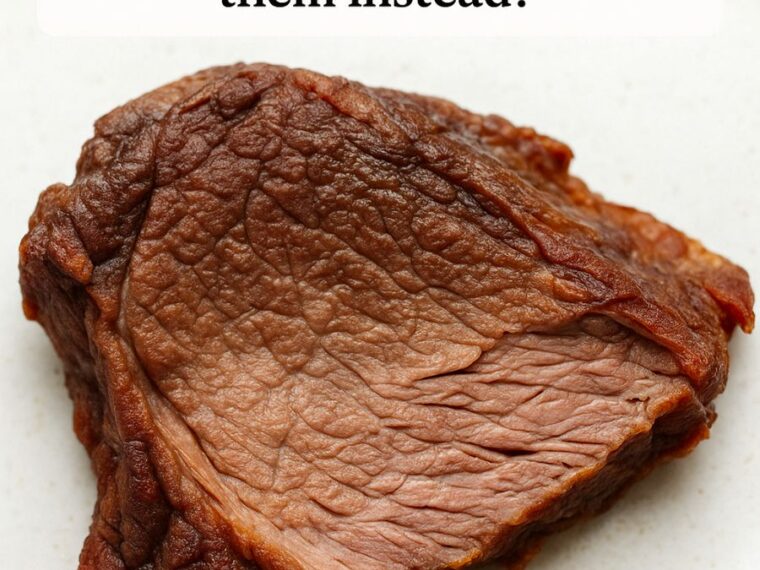
The main reason leftovers become tough and rubbery is the loss of moisture and the breakdown of proteins during the reheating process. High heat, especially in microwaves, can cause water molecules in the food to evaporate quickly, leaving your meal dry. Proteins, when exposed to high temperatures, can become overcooked, causing them to contract and toughen.
This is particularly true for meats, which contain a lot of protein. When meat is initially cooked, the proteins denature and coagulate. Reheating can exacerbate this process, leading to a less tender texture. Additionally, starches in pasta and grains can absorb moisture when cooled, making them sticky and dry when reheated. Understanding these processes is the first step in preventing them.
2. The Golden Rule: Low and Slow Beats High Heat
The key to maintaining the quality of leftovers is to reheat them using low, consistent heat over a longer period. This allows the food to warm evenly without overcooking the exterior. For instance, when using an oven, set it to a low temperature, around 250°F (121°C), and allow the food to heat slowly.
This technique helps retain moisture and prevents proteins from seizing up. It’s especially effective for larger cuts of meat or casseroles, ensuring that the inside is warmed through without the outside becoming dry and chewy.
3. Best Way to Reheat Meat Without Drying It Out
To reheat meat without it becoming dry, consider using a method that provides gentle, even heat. The oven or a stovetop with a bit of broth or water can work wonders. Place the meat in a baking dish, cover it loosely with foil to trap moisture, and heat at a low temperature.
A good practice is to add a splash of broth or water to the dish and cover it with foil. This creates steam that helps keep the meat moist. For stovetop reheating, use a skillet over low heat, adding a bit of broth or water to maintain moisture.
4. How to Warm Pasta and Saucy Dishes So They Stay Silky
Pasta and saucy dishes tend to dry out because the starches absorb moisture. To prevent this, use a double boiler or a saucepan with a bit of added liquid. Stir frequently to ensure even heating.
For creamy pasta dishes, a splash of milk or cream can help restore the sauce’s texture. For tomato-based sauces, a bit of water or broth can work. Keep the heat low and stir until the pasta is heated through and the sauce is silky.
5. The Right Way to Reheat Rice and Grains Safely
Reheating rice and grains requires some caution to prevent them from becoming dry or gummy. The microwave is effective if you use steam. Place the rice in a microwave-safe bowl, add a tablespoon of water per cup of rice, and cover with a damp paper towel.
Alternatively, use a skillet with a bit of water or broth over low heat, stirring occasionally until warmed through. Be sure to reheat the rice to at least 165°F (74°C) to ensure safety.
6. Keeping Pizza Crispy (Not Chewy) With Pan and Air Fryer Hacks
To keep pizza crust crispy, avoid the microwave. Instead, use a skillet or an air fryer. For the skillet method, heat on medium-low and cover with a lid to allow the cheese to melt while keeping the crust crisp.
Air fryers work great for reheating pizza as they circulate hot air evenly, keeping the crust crispy and the toppings warm. Set the air fryer to 350°F (175°C) and heat for 3-4 minutes.
7. Reviving Fried Foods With Oven and Air Fryer Tricks
Fried foods can lose their crunch when reheated improperly. The oven and air fryer are your best tools here. Preheat your oven to 375°F (190°C), place the fried items on a baking sheet, and heat for about 10 minutes.
An air fryer can rejuvenate fried foods by crisping them up without additional oil. Set it to 350°F (175°C) and heat for 3-5 minutes, checking frequently to avoid overcooking.
8. Gentle Methods for Reheating Fish and Seafood
Fish and seafood are delicate and can easily overcook. To reheat, use gentle methods like steaming or a low oven. For steaming, place the seafood in a steaming basket over simmering water.
If using an oven, set it to 275°F (135°C) and cover the fish with foil to retain moisture. Heat until just warmed through to avoid overcooking.
9. Microwave Smarter: Power Levels, Steam Hacks, and Covering
The microwave can be your ally if used correctly. Avoid high power settings, which can dry out food. Instead, use medium or low power to heat more evenly.
Cover the dish with a lid or microwave-safe cover to trap steam, which helps keep the food moist. Adding a small cup of water in the microwave can also help create steam.
10. When the Oven Is Your Best Friend for Even Reheating
The oven is ideal for reheating large quantities or whole dishes like casseroles. Preheat to a low temperature, around 300°F (150°C), and cover with foil to trap moisture.
Use an oven thermometer to ensure the temperature doesn’t fluctuate, which can lead to uneven heating. This method takes longer but provides even results.
11. Using a Skillet or Wok to Bring Stir-Fries Back to Life
A skillet or wok is perfect for reheating stir-fries. Heat a small amount of oil in the pan over medium heat before adding the stir-fry.
This method helps to revitalize the texture and flavors while ensuring the vegetables remain crisp. Stir constantly to prevent sticking and to heat everything evenly.
12. Moisture-Boosting Tricks: Broth, Butter, and Ice Cube Hacks
Adding moisture back to leftovers can make a big difference. For meats and grains, a splash of broth or a pat of butter can restore juiciness.
An ice cube can help in the microwave; place it on top of the food and cover. As the ice melts, it creates steam, adding moisture back to the dish.
13. What Not to Do: Common Reheating Mistakes to Avoid
Avoid using high heat, especially in the microwave, as it can lead to uneven heating and dry food. Don’t forget to cover foods to trap moisture
Be wary of reheating certain foods like rice and potatoes improperly, as they can pose health risks if not heated to the right temperature. Always ensure leftovers reach 165°F (74°C) to ensure safety.