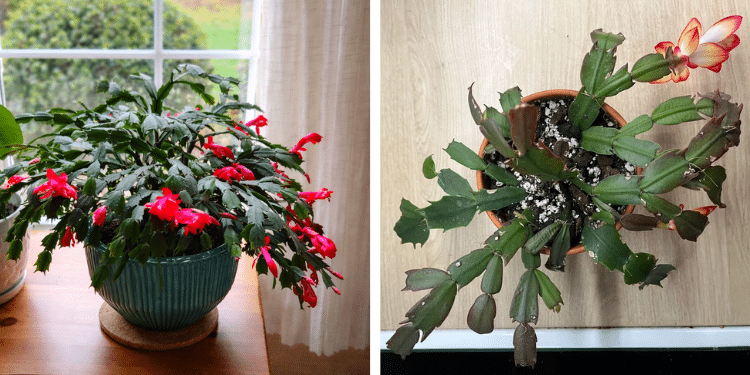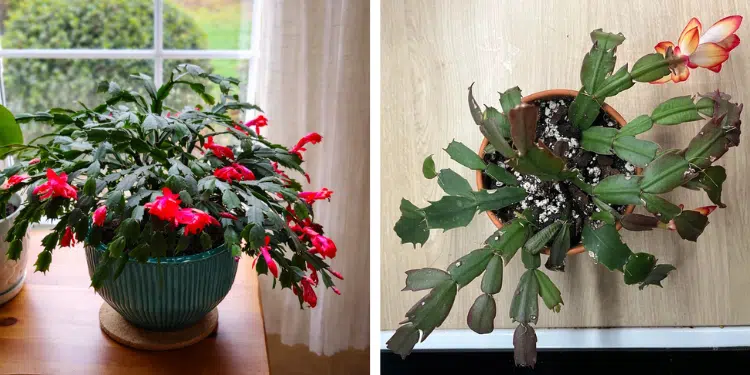
When the final flowers fall from your Christmas cactus, many people assume the plant is finished for the season.
In reality, January is one of the most important months in the entire life cycle of a Christmas cactus.
What you do right after blooming determines how healthy the plant will be, how much it grows, and how spectacular next year’s flowers will become.
Christmas cactus is not a desert cactus. It’s a tropical epiphyte that needs a specific recovery period after flowering.
Treating it like a typical houseplant – or worse, ignoring it – often leads to weak growth, dropped segments, and poor blooming the following year.
These seven January care steps help your Christmas cactus rest, recover, and rebuild energy for strong regrowth.
Why Post-Bloom Care Matters So Much
Flowering takes a lot of energy. During bloom, the Christmas cactus uses stored nutrients and moisture to support buds and flowers. Once blooming ends, the plant enters a recovery phase, not a growth surge.
January care is about:
- restoring energy
- protecting roots
- encouraging healthy new segments
- preventing stress
Skipping this phase is one of the main reasons Christmas cacti stop blooming over time.
1. Remove Spent Flowers and Weak Segments
As soon as blooming finishes, gently remove any remaining dried flowers or shriveled buds. Leaving old blooms attached can invite rot or fungal issues.
January is also the right time to remove:
- damaged segments
- soft or yellowing joints
- leggy, weak growth
Twist segments gently at the joint rather than cutting. This keeps the plant tidy and redirects energy toward healthier growth points.
2. Reduce Watering – but Don’t Let It Dry Out Completely
After blooming, your Christmas cactus needs less water, but not drought. Overwatering in January is one of the most common mistakes.
Allow the top layer of soil to dry slightly between watering, but never let the pot dry out completely. Roots are still active, just slower.
A good rule:
- water less often
- water lightly
- always drain excess water
Soggy soil during winter recovery leads to root stress and future bud problems.
3. Move the Plant to Bright, Indirect Light
During blooming, many Christmas cacti are placed in darker, cooler areas. Once flowering ends, the plant needs brighter indirect light to rebuild energy.
January light should be:
- bright but filtered
- never direct midday sun
- consistent daily exposure
An east-facing window or a spot a few feet back from a bright window works well. Light fuels photosynthesis, which restores strength for spring growth.
4. Keep Temperatures Cool and Stable
Christmas cactus prefers cool, steady temperatures after blooming. January is not the time to place it near heaters, fireplaces, or vents.
Ideal conditions:
- daytime: cool to mild
- nighttime: slightly cooler
- no sudden temperature swings
Cool temperatures slow growth gently and prevent stress, allowing the plant to recover naturally.
5. Hold Off on Fertilizer Until Late Winter
It’s tempting to fertilize right after blooming, but January is still a rest phase. Feeding too early can force weak, stretched growth.
During January:
- do not fertilize
- allow roots to stabilize
- focus on recovery, not speed
Fertilizer should resume gradually in late winter or early spring when new growth appears. This timing supports stronger segments and better future blooms.
6. Increase Humidity Without Overwatering
Christmas cactus is native to humid forest environments. Winter heating dries indoor air, which can cause:
- shriveled segments
- dull leaf color
- slow recovery
January is a good time to increase humidity gently by:
- placing the pot near other plants
- using a humidity tray
- keeping it away from heat sources
Avoid misting excessively, especially in cool rooms, as moisture sitting on segments can cause rot.
7. Encourage Gentle Regrowth Without Forcing It
New growth may not appear immediately in January – and that’s normal. The plant is resting, not dormant.
Healthy signs include:
- firm, plump segments
- rich green color
- stable joints
If you see slow new segment formation toward late January or February, that’s a sign your post-bloom care is working.
Avoid moving the plant frequently. Stability is essential during recovery.
Common January Mistakes That Weaken Christmas Cactus
Many problems start in January due to well-meaning but incorrect care.
Avoid:
- heavy watering
- fertilizer too soon
- sudden light changes
- warm, dry air exposure
- repotting immediately after bloom
These actions disrupt the recovery cycle and often lead to poor flowering later in the year.
Should You Repot in January?
In most cases, no. Christmas cactus prefers to be slightly root-bound. Repotting in January adds stress when the plant should be resting.
If repotting is necessary, wait until:
- late spring
- active growth begins
- temperatures are warmer
January is about stabilization, not disturbance.
How January Care Affects Next Year’s Blooms
Christmas cactus forms the foundation for next year’s buds during spring and summer. Strong segments grown after January recovery are what eventually hold flower buds.
Good January care leads to:
- thicker, healthier segments
- stronger bud formation
- more flowers
- longer bloom duration
Poor January care leads to leafy growth with few or no blooms.
January may seem like an uneventful month for your Christmas cactus, but it’s actually one of the most critical periods of the year. Post-bloom care sets the tone for everything that follows.
By reducing water, improving light, maintaining cool temperatures, avoiding fertilizer, and giving the plant time to recover, you allow your Christmas cactus to rebuild strength naturally.