As the New Year rolls around, many of us set goals to improve various aspects of our lives, whether it be our health, finances, or living spaces. One often overlooked area of improvement is the care of our indoor plants, which can significantly enhance our environment. Among the various plant care tasks, cleaning dusty leaves stands out as a simple yet highly effective habit that can dramatically improve the health and appearance of your plants.
Dusty leaves are not just unsightly; they can hinder a plant’s ability to thrive by blocking sunlight and affecting photosynthesis. By incorporating regular leaf cleaning into your New Year routine, you can ensure your plants not only survive but thrive, turning your home into a vibrant, lush sanctuary. This article will explore why cleaning dusty leaves is a beneficial New Year habit and provide practical tips for doing it effectively.
1. Why Dusty Leaves Quietly Suffocate Your Plants
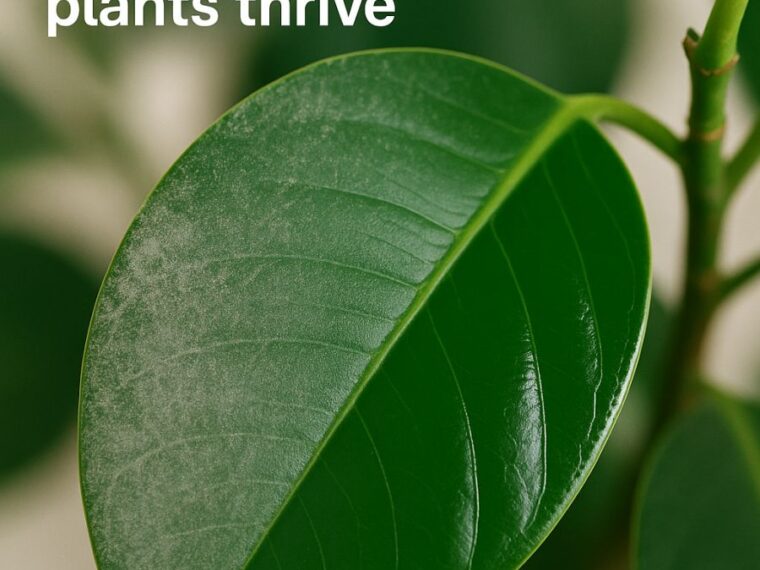
Dust accumulation on plant leaves creates a barrier that impedes light absorption, which is crucial for photosynthesis. Photosynthesis is the process by which plants convert light energy into chemical energy, and even a thin layer of dust can reduce the amount of light reaching the chlorophyll. In fact, studies have shown that dust can decrease light absorption by as much as 20%, which can significantly affect a plant’s growth and vitality.
Moreover, dust can clog the pores of the leaves, known as stomata, which are essential for the exchange of gases. This exchange is necessary for the plant to ‘breathe,’ allowing carbon dioxide to enter and oxygen to exit. If the stomata are blocked, the plant’s ability to photosynthesize efficiently is compromised, leading to stunted growth and a weakened plant that is more susceptible to disease and pests.
2. The Science: How Clean Leaves Supercharge Photosynthesis
Clean leaves facilitate optimal photosynthesis by ensuring maximum light penetration. Photosynthesis relies on light, carbon dioxide, and water to produce glucose, which fuels plant growth. When leaves are clean, they can absorb more light, increasing the rate of photosynthesis and, consequently, the plant’s energy production.
Furthermore, clean leaves improve gas exchange. The stomata, which can be partially blocked by dust, function effectively when clean, allowing for efficient intake of carbon dioxide and expulsion of oxygen. This efficiency is crucial for maintaining the plant’s metabolism and overall health. Regular cleaning can enhance photosynthetic efficiency by up to 30%, leading to healthier, more robust plants.
3. Dust, Pests, And Disease: The Hidden Chain Reaction
Dust is more than just an aesthetic issue; it can be a breeding ground for pests such as spider mites and aphids. These pests thrive in dusty conditions and can quickly infest plants, causing damage to leaves and stems.
Moreover, dust can harbor fungal spores and bacteria, leading to diseases like powdery mildew or leaf spot. These diseases can weaken the plant, making it more vulnerable to pest infestations and environmental stressors. By keeping leaves clean, you reduce the risk of these pests and diseases, ensuring your plants remain healthy and resilient.
4. Winter And New Year: The Perfect Time To Hit Reset
Winter is a period of dormancy for many indoor plants, making it an ideal time to clean leaves and prepare for new growth in the spring. During this time, dust accumulates more readily due to indoor heating, which can dry out the air and increase static.
As we enter the New Year, incorporating leaf cleaning into your routine can symbolize a fresh start, setting the stage for healthy plant growth in the coming months. It’s an opportunity to reassess your plant care practices and make any necessary adjustments to ensure your plants thrive throughout the year.
5. Viral TikTok Leaf-Cleaning Hacks That Actually Work
Social media platforms like TikTok are full of creative and effective plant care tips, including leaf-cleaning hacks. One popular method involves using a banana peel to wipe down leaves, which not only cleans but also provides a natural shine and nutrients.
Another viral hack is using a mixture of water and white vinegar in a spray bottle to gently clean leaves. This solution helps remove hard water stains and mineral deposits, leaving leaves clean and shiny. These hacks are not only effective but also eco-friendly and easy to incorporate into your plant care routine.
6. The Microfiber Method: Fast, Safe Cleaning For Most Houseplants
Microfiber cloths are excellent tools for cleaning plant leaves because they are soft, non-abrasive, and highly effective at trapping dust and dirt. To use, simply dampen the cloth with lukewarm water and gently wipe each leaf, supporting the underside to prevent breakage.
This method is suitable for most houseplants, including those with delicate leaves, as it minimizes the risk of damage. Regular cleaning with a microfiber cloth not only keeps your plants looking their best but also ensures they remain healthy by removing dust that can interfere with photosynthesis.
7. DIY Leaf Sprays: From Neem Oil To Gentle Soap Solutions
DIY leaf sprays are a popular option for cleaning plant leaves and can be made with simple ingredients found in most households. Neem oil mixed with water is an effective natural pesticide that can also help clean leaves and deter pests.
Another option is a gentle soap solution, made by diluting a few drops of mild liquid soap in water. This solution can be sprayed onto leaves and wiped clean, effectively removing dust and grime. Both methods are safe for most plants and provide an additional layer of protection against pests and diseases.
8. What Not To Do: Common Leaf-Cleaning Mistakes To Avoid
While cleaning leaves is beneficial, it’s essential to avoid common mistakes that can harm your plants. One such mistake is using harsh chemicals or cleaners not intended for plants, which can damage leaves and disrupt the plant’s natural processes.
Another mistake is over-wetting the leaves, which can lead to water sitting on the leaf surface and promoting fungal growth. It’s crucial to use a damp cloth rather than soaking wet and to dry the leaves gently after cleaning. Avoid using abrasive materials that can scratch or damage the leaf surface.
9. How Often You Should Clean Leaves For Different Types Of Plants
The frequency of leaf cleaning depends on the type of plant and its environment. Generally, plants in dusty or high-traffic areas may require cleaning every two weeks, while those in less dusty environments can be cleaned monthly.
Plants with larger, waxy leaves, like rubber plants or monstera, tend to accumulate more dust and may need more frequent cleaning. In contrast, plants with fine or hairy leaves, such as African violets, require less frequent cleaning to avoid damaging the delicate leaf surface. Tailoring your cleaning schedule to your specific plants ensures they receive the care they need to thrive.
10. Turning Leaf Cleaning Into A Mindful New Year Ritual
Cleaning plant leaves can be transformed into a mindful ritual that promotes relaxation and connection with nature. Take the time to observe each plant, notice new growth, and appreciate the beauty of your indoor garden.
Incorporating this practice into your New Year routine can serve as a reminder to slow down and enjoy the simple pleasures of caring for living things. This mindful approach not only benefits your plants but also provides a sense of calm and satisfaction.
11. Tracking The Payoff: Growth, Gloss, And Fewer Plant Emergencies
Regular leaf cleaning can lead to noticeable improvements in your plants’ health and appearance. Clean leaves often result in glossier, more vibrant foliage, as they can better absorb light and nutrients.
Additionally, by preventing dust accumulation and deterring pests and diseases, you reduce the likelihood of plant emergencies that require intervention. Over time, you’ll likely notice faster growth and a more robust plant, making the effort of regular cleaning well worth the payoff.
12. Making Leaf Care Stick: Simple Systems To Keep Plants Dust-Free All Year
To maintain dust-free plants throughout the year, establish a simple system that integrates leaf cleaning into your regular plant care routine. Set reminders or create a schedule that aligns with other plant maintenance tasks, such as watering or fertilizing.
Consider designating a specific time each month for a more thorough cleaning session, ensuring all plants receive the attention they need. By making leaf care a consistent part of your routine, you’ll ensure your plants remain healthy and vibrant all year long.