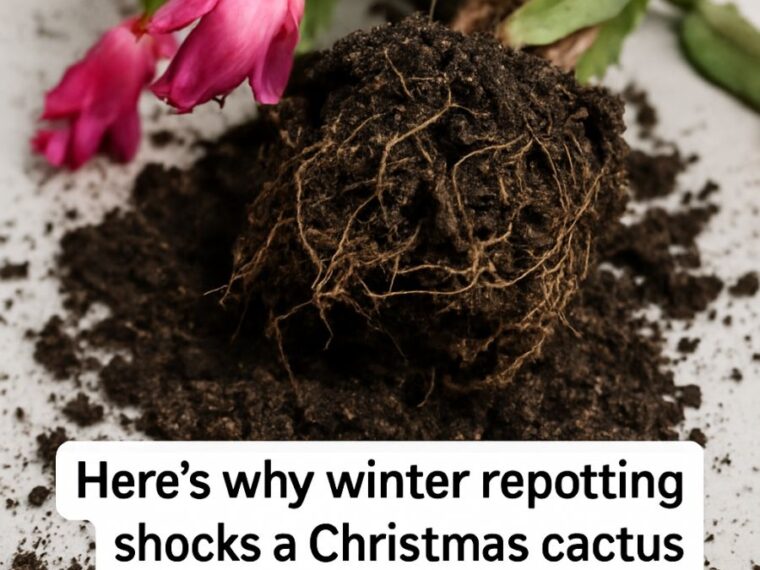
The Christmas cactus, known scientifically as Schlumbergera, is a beloved plant that graces many homes during the festive season with its vibrant blooms. However, many plant enthusiasts may not realize that the timing of repotting this plant is crucial to its health and vitality. Repotting during the winter months, particularly during its blooming season, can lead to a condition known as transplant shock, which can significantly weaken the plant.
Understanding the unique needs of a Christmas cactus and the environmental factors at play during winter is essential for its care. This article delves into the reasons why winter repotting is detrimental to this plant, exploring the specific ways it disrupts its natural rhythm and the consequences that follow.
1. How Winter Repotting Disrupts a Christmas Cactus’s Natural Rhythm
The Christmas cactus follows a specific growth and dormancy cycle, which is attuned to the natural changes in its environment. During the winter, the plant is in its blooming phase, a time when it is most sensitive to changes in its surroundings. Repotting during this period can disrupt the plant’s natural rhythm, causing stress that can inhibit blooming.
When repotted in winter, the plant is forced to adapt to new soil conditions and pot size, which can interfere with its natural energy allocation. Instead of focusing on producing blooms, the plant’s resources are diverted to establishing itself in the new pot, leading to a decline in flower production and overall vitality.
2. Root Shock: Why Disturbed Roots Struggle in Cold, Dark Months
Repotting involves disturbing the root system, which is particularly vulnerable during the cold, dark months of winter. The roots of a Christmas cactus are not as active during this time, making them less capable of recovering from the stress of repotting. Roots that are disturbed or damaged during repotting struggle to absorb water and nutrients, leading to signs of distress such as wilting and leaf drop.
In winter, the reduced light levels and cooler temperatures slow down the plant’s metabolic processes, further compounding the difficulty of root recovery. As a result, the plant may not be able to sustain its blooms or maintain healthy growth.
3. Bloom Season Energy Drain: Flowers Compete With Recovery
During the blooming season, a Christmas cactus directs much of its energy towards producing and sustaining its flowers. This energy-intensive process leaves little room for the plant to cope with additional stressors such as repotting. When a plant is repotted, it requires energy to adjust to the new soil environment, grow new roots, and stabilize itself.
The competition for energy between flower production and root recovery can lead to a weakened plant, with flowers dropping prematurely and new growth stunted. This energy drain can have long-term effects, reducing the plant’s overall health and bloom quality in subsequent seasons.
4. Temperature Swings and Drafts Make Transplant Stress Worse
Winter months are characterized by fluctuating temperatures and drafts, especially in homes where heating systems are in use. These temperature changes can exacerbate the stress experienced by a repotted Christmas cactus. Plants are sensitive to their environment, and sudden temperature swings can shock a plant, affecting both its root and foliage health.
Drafts from windows and doors can further chill the plant, making it harder for the roots to establish in the new soil. This added stress can slow down recovery and increase the likelihood of transplant shock, making it imperative to avoid repotting during these unstable conditions.
5. Moisture Imbalance: Fresh Potting Mix Stays Too Wet in Winter
Fresh potting mix often retains more moisture than the established soil the plant was previously in. During the winter months, the cooler temperatures and lower light levels mean that the soil dries out more slowly, which can lead to a moisture imbalance. Overly wet soil can suffocate roots, leading to root rot, which is a common issue for plants repotted in winter.
Ensuring proper drainage and being mindful of watering schedules can help mitigate this risk, but the best prevention is to avoid repotting during this time altogether. Waiting until the spring, when temperatures rise and light levels increase, allows the soil to dry out more evenly, reducing the risk of root rot.
6. Light Levels Drop Just When a Repotted Plant Needs More
Light is a crucial factor for plant recovery and growth, particularly after a stressful event like repotting. In winter, natural light levels are at their lowest, which can hinder a Christmas cactus’s ability to photosynthesize and produce the energy needed to establish itself in a new pot.
Without adequate light, the plant struggles to grow new roots and maintain its blooms, leading to a decline in overall health. Supplementing with grow lights can help, but natural light is always preferable. By repotting in spring or summer, when light is more abundant, the plant can recover more efficiently and thrive.
7. Nutrient Uptake Falters After Repotting During Flowering
Repotting can disrupt a plant’s ability to take up nutrients, a situation that is compounded when the plant is simultaneously trying to support flowers. The disturbance of the roots during repotting can impair their function, reducing the plant’s ability to absorb essential nutrients from the soil.
During flowering, the demand for nutrients is high, and any reduction in uptake can lead to deficiencies. These deficiencies can manifest as yellowing leaves, reduced bloom size, and weak growth. By avoiding repotting during flowering, you allow the plant to focus on nutrient uptake and support healthy blooms.
8. Viral Repotting Hacks That Backfire on Christmas Cactus Health
With the rise of social media, various repotting hacks and tips have gained popularity, some of which can be detrimental to the health of a Christmas cactus. Techniques such as using unconventional potting mixes or additives may not provide the right balance of nutrients or drainage, leading to plant stress.
Furthermore, some hacks suggest repotting at any time of year, disregarding the plant’s natural cycles. It’s essential to stick to proven methods and timings when caring for a Christmas cactus, ensuring that you do not unintentionally harm the plant by following misleading advice.
9. Pot Size Mistakes: Overpotting and Underpotting in Winter
Choosing the right pot size is critical when repotting a Christmas cactus. Overpotting, or placing the plant in a pot that is too large, can lead to excessive moisture retention and root rot, particularly in the slow-drying conditions of winter. Conversely, underpotting can restrict root growth and lead to nutrient deficiencies.
During winter, when growth is slower, it is crucial to ensure the pot size is just right to allow for gradual root expansion without overwhelming the plant with too much space. Waiting until spring, when growth picks up, can help ensure a successful transition to a new pot.
10. Hidden Root Damage From Rough Handling and Soil Removal
Repotting can inadvertently cause damage to the delicate roots of a Christmas cactus, especially if the process is rushed or handled roughly. Tearing or breaking roots during soil removal can lead to significant stress and hinder the plant’s ability to absorb water and nutrients.
In winter, when the plant is less resilient, such damage can have more pronounced effects, leading to wilting and poor health. Careful handling and gentle soil removal are essential, but avoiding winter repotting altogether can prevent the risk of hidden root damage and its associated problems.
11. Why Hormonal Changes During Bud and Bloom Increase Sensitivity
During the bud and bloom phases, a Christmas cactus undergoes hormonal changes that make it more sensitive to environmental disturbances. These hormones regulate the plant’s growth and flowering processes, and any disruption can throw off this delicate balance.
Repotting during this time can interfere with these hormonal signals, leading to aborted blooms or uneven flowering. Understanding the plant’s hormonal cycles and timing repotting for periods of vegetative growth rather than flowering can help maintain the health and beauty of the plant.
12. The Safer Seasonal Window: When to Repot for Stronger Blooms
The ideal time to repot a Christmas cactus is during its active growing season, typically in late spring or early summer. During this time, the plant’s metabolic processes are more active, and it can recover from the stress of repotting more efficiently.
Repotting during these warmer months allows for better root establishment and growth, setting the stage for more robust blooms in the following winter season. By aligning repotting with the plant’s natural cycles, you can ensure a healthier, more vibrant Christmas cactus that thrives year-round.