During the holiday season, many households are adorned with festive plants, each with its own unique charm. Among these, the Christmas cactus stands out for its beautiful, vibrant blooms that seem to defy the chilly winter landscape. However, despite its name, the Christmas cactus isn’t as hardy in cold conditions as one might assume. In fact, the cozy, heated environments we create to ward off the winter chill can actually pose a significant stress to this beloved plant.
Understanding the needs of a Christmas cactus during its bloom time is crucial for keeping it healthy and flowering. While many holiday plants thrive in the warmth of indoor settings, the Christmas cactus has specific requirements that are often overlooked. This article explores why these cozy heated rooms can stress a Christmas cactus and how you can create the ideal conditions for its blooms to thrive.
1. How Christmas Cactus Bloom Time Differs From Other Holiday Plants
Unlike poinsettias or amaryllis, which are often associated with the holiday season, the Christmas cactus has a unique blooming cycle triggered by the length of daylight and cooler temperatures. While poinsettias are induced to bloom with longer periods of darkness, and amaryllis bulbs bloom with warmth and moisture, the Christmas cactus requires a period of cooler temperatures, ideally between 50-55°F (10-13°C), and about 12-14 hours of darkness to set buds.
This distinct requirement means that the typical warm indoor environments, often kept at a comfortable 68-75°F (20-24°C), can interfere with the natural blooming process of the Christmas cactus. Failing to provide these conditions can result in a lack of blooms or even a delay in the blooming cycle, which is why understanding these differences is key to successfully nurturing a Christmas cactus during the holidays.
2. The Desert Myth: Why Christmas Cactus Is Actually a Humidity Lover
Contrary to popular belief, the Christmas cactus is not a desert plant; it originates from the humid, forested regions of Brazil. This means that instead of arid conditions, the Christmas cactus thrives in environments with higher humidity levels. Ideally, these plants prefer humidity levels of around 50-60%, which is significantly higher than the average indoor humidity during winter, often dropping below 30% due to heating systems.
Providing adequate humidity can be challenging in heated homes, but it’s essential for preventing issues such as bud drop and wilting. Misting the plant regularly or placing a humidifier nearby can help maintain the necessary moisture levels to keep the Christmas cactus healthy and blooming.
3. Cozy Indoor Temperatures vs. Cool Nights: The Bloom-Triggering Clash
The blooming of a Christmas cactus is triggered by a combination of shorter daylight hours and cooler night temperatures. While cozy indoor temperatures are comfortable for people, they can disrupt the plant’s natural bloom cycle. The ideal nighttime temperature range for encouraging blooms is between 50-55°F (10-13°C).
In many homes, nighttime temperatures remain relatively warm due to heating systems, which can prevent the necessary chill from inducing the bloom process. To resolve this, consider placing your Christmas cactus in a cooler part of the house or turning down the heat at night to simulate the cooler conditions it needs.
4. Dry Heated Air and the Fast-Track to Bud Drop
Heated indoor air is often dry, which can quickly lead to bud drop in Christmas cacti. These plants thrive in humid conditions, and the lack of moisture in the air can cause buds to dry out and fall off before they have a chance to bloom.
To combat dry air, it’s crucial to increase humidity around the plant. This can be achieved by placing a tray of water near the plant, using a room humidifier, or misting the plant regularly. Ensuring adequate humidity will help keep buds intact and promote healthy blooming.
5. How Radiators, Fireplaces, and Heat Vents Quietly Shock the Plant
Christmas cacti are sensitive to sudden changes in temperature, and the direct heat from radiators, fireplaces, and heat vents can shock the plant, leading to stress and bud drop. The intense, dry heat from these sources can dry out the soil and the air around the plant, creating an inhospitable environment.
To protect your Christmas cactus, place it away from direct heat sources. Ideally, find a location that offers moderate, consistent temperatures and indirect light to prevent thermal shock and maintain the health of the plant.
6. The Hidden Stress of Temperature Swings Between Day and Night
While some temperature variation between day and night is beneficial for the Christmas cactus, extreme fluctuations can cause stress. Rapid changes can occur if the plant is placed near drafty windows or in rooms that experience significant temperature shifts.
Consistency is key for the Christmas cactus to thrive. Aim to keep the temperature relatively stable, within a range that allows for a slight dip at night. Avoid locations where the plant will be subjected to cold drafts or sudden temperature changes, which can impede blooming and overall health.
7. Why Overwatering Becomes More Dangerous in Warm Winter Rooms
Overwatering is a common issue with Christmas cacti, especially in warm indoor environments. Warm temperatures can cause the soil to dry out more quickly, leading plant owners to water more frequently. However, this can result in waterlogged soil and root rot.
To avoid overwatering, ensure the soil is well-draining and allow the top inch to dry out before watering again. It’s also beneficial to use a pot with drainage holes to prevent excess water from accumulating at the bottom, which can harm the roots.
8. Light, Heat, and Short Days: How Indoor Comfort Confuses Bloom Cycles
Indoor lighting and heating can confuse the natural cues the Christmas cactus uses to initiate blooming. Artificial lights can extend daylight hours, while consistent warm temperatures can prevent the plant from experiencing the cooler nights it needs to set buds.
To mimic natural conditions, try to reduce artificial light exposure in the evening and ensure the plant experiences at least 12-14 hours of darkness each night. This can help trigger the bloom cycle and ensure a healthy display of flowers during the holiday season.
9. Viral Ice Cube and Shower-Steam Hacks: Helpful or Harmful for Blooms?
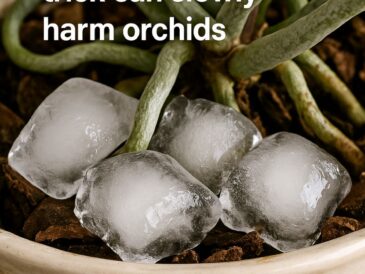
Some viral gardening hacks suggest using ice cubes to water Christmas cacti or placing them in a steamy bathroom to increase humidity. While these methods might seem innovative, they can be harmful if not done correctly.
Ice cubes can shock the roots if they lower the soil temperature too drastically, and excessive steam can lead to fungal issues. Instead, focus on gradual, consistent methods for watering and humidity control, such as using room-temperature water and maintaining a nearby humidifier.
10. The Stress of Holiday Decor: Drafty Windows, Fairy Lights, and Crowded Mantels
Holiday decorations can inadvertently stress your Christmas cactus. Drafty windows can lead to cold shocks, while fairy lights and crowded mantels can create inconsistent lighting and airflow issues.
Ensure your Christmas cactus is placed in a stable environment with consistent temperature and humidity. Avoid crowding the plant with decorations that block light or restrict airflow. This will help maintain the plant’s health and promote beautiful blooms.
11. Simple Cooling and Humidity Tricks to Protect Blooms in a Heated Home
To protect your Christmas cactus in a heated home, consider simple tricks to maintain cooler temperatures and adequate humidity. Moving the plant to a cooler room at night or placing it near a humidifier can help.
Additionally, grouping plants together can create a microclimate with higher humidity. Using pebble trays with water beneath the plant can also raise humidity levels. These easy adjustments can help ensure your Christmas cactus remains healthy and blooms beautifully.
12. Signs Your Christmas Cactus Is Overheated—and How to Rescue It Fast
Signs that your Christmas cactus is overheated include wilting, yellowing leaves, and bud drop. If you notice these symptoms, act quickly to move the plant to a cooler area with better humidity.
Adjust watering habits to ensure the soil is not waterlogged and increase humidity using a humidifier or misting. By addressing these issues promptly, you can help your Christmas cactus recover and enjoy its vibrant blooms during the holiday season.