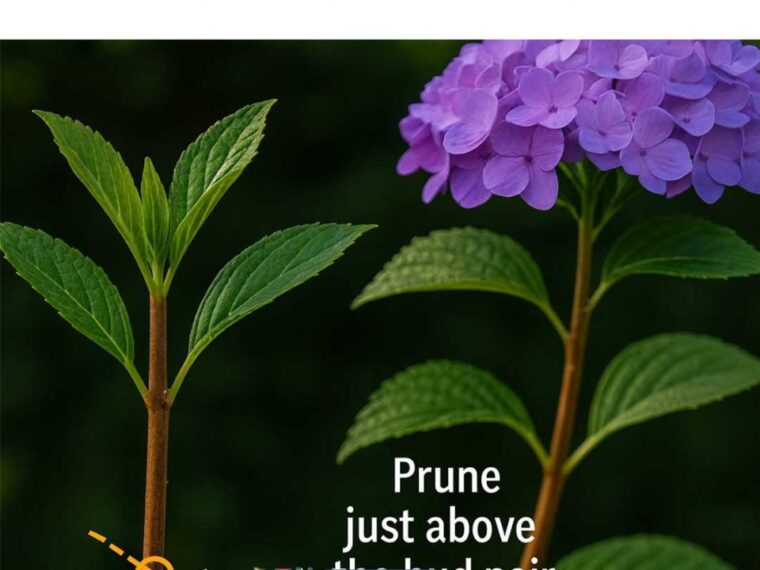
Hydrangeas are a beloved staple in many gardens, known for their lush blooms and vibrant colors. However, despite their popularity, many gardeners struggle with the proper technique for pruning these beautiful plants. Incorrect pruning can lead to reduced blooms and unhealthy plants, leaving gardeners frustrated and disappointed.
Pruning hydrangeas is not just about cutting back branches; it’s an art that requires understanding the plant’s growth habits and needs. In this article, we will explore the right places to prune a hydrangea and explain why these techniques are essential for maintaining a healthy and flourishing plant.
1. Understanding Hydrangea Varieties
Hydrangeas come in several varieties, each with its own unique growth pattern and pruning requirements. The most common types include Hydrangea macrophylla (bigleaf), Hydrangea paniculata (panicle), and Hydrangea arborescens (smooth). Each of these varieties blooms on either old wood or new wood, which determines when and how they should be pruned.
For example, Hydrangea macrophylla blooms on old wood, meaning the buds form on last year’s growth. Pruning these plants in late winter or early spring can remove the flower buds, resulting in fewer blooms. On the other hand, Hydrangea paniculata blooms on new wood, so pruning in late winter encourages robust growth and abundant flowering.
2. The Importance of Timing in Pruning
Timing is crucial when it comes to pruning hydrangeas. Pruning at the wrong time can lead to a lack of blooms or even damage to the plant. For hydrangeas that bloom on old wood, such as Hydrangea macrophylla, pruning should be done immediately after flowering, typically in late summer. This allows the plant to set buds for the next year’s blooms.
In contrast, hydrangeas that bloom on new wood, like Hydrangea paniculata, should be pruned in late winter or early spring before new growth begins. This timing encourages the plant to produce strong new stems that will support the season’s flowers.
3. Identifying the Right Stems to Cut
When pruning hydrangeas, it’s essential to identify which stems to cut. Start by removing any dead or damaged wood, as these do not contribute to the plant’s health or appearance. Next, look for stems that are crossing or rubbing against each other, as these can cause wounds that invite disease.
For hydrangeas that bloom on old wood, focus on thinning out the oldest stems to encourage new growth. This involves cutting back about one-third of the oldest stems to the base of the plant. For those that bloom on new wood, cut back the previous year’s growth to a pair of healthy buds, typically about 12 to 18 inches from the ground.
4. Pruning for Health: Removing Dead Wood
Removing dead wood is a critical step in pruning hydrangeas, as it helps prevent disease and encourages healthy growth. Dead wood is often gray or brown and brittle to the touch. By cutting these stems back to the base, you open up the plant to more light and air, reducing the risk of fungal infections.
Regularly removing dead wood also allows you to assess the overall health of your hydrangea. If you notice an unusual amount of dead wood, it may indicate underlying issues such as poor soil conditions or pest infestations that need to be addressed.
5. Encouraging New Growth with Strategic Cuts
Strategic pruning can encourage new growth, leading to a fuller, more vibrant hydrangea. For varieties that bloom on new wood, cutting back stems to a pair of healthy buds stimulates the plant to produce new shoots. These new shoots will bear the season’s flowers, so it’s important to make clean cuts just above the buds.
In addition to cutting back old growth, consider removing some of the weaker, thinner stems at the base of the plant. This allows the plant to focus its energy on producing stronger, more vigorous shoots, resulting in a healthier and more attractive plant.
6. The Role of Pruning in Flower Production
Pruning plays a significant role in the flower production of hydrangeas. By removing old and unproductive wood, you make room for new growth that will bear the season’s blooms. This is especially important for varieties that bloom on new wood, as cutting back encourages the development of strong, flower-bearing stems.
For hydrangeas that bloom on old wood, careful pruning ensures that you do not remove the buds that will become the next season’s flowers. By thinning out the oldest stems, you allow more light and air to reach the remaining buds, promoting larger and more abundant blooms.
7. Avoiding Common Pruning Mistakes
One of the most common mistakes gardeners make when pruning hydrangeas is cutting back at the wrong time. This can result in a lack of blooms or even damage to the plant. It’s crucial to know whether your hydrangea blooms on old or new wood and time your pruning accordingly.
Another mistake is over-pruning, which can stress the plant and reduce its vigor. Avoid cutting back more than one-third of the plant at a time, as this can weaken the hydrangea and make it more susceptible to disease and pests.
8. Tools of the Trade: What You Need
Having the right tools is essential for effective pruning. A pair of sharp, clean bypass pruners is ideal for making precise cuts without crushing the stems. For thicker branches, a pair of loppers or a pruning saw may be necessary.
It’s important to keep your tools clean and sharp to prevent the spread of disease and ensure clean cuts. After each use, wipe down your tools with a disinfectant and sharpen them regularly to maintain their effectiveness.
9. Viral Hacks: What Works and What Doesn’t
With the rise of social media, many viral hacks claim to offer quick fixes for pruning hydrangeas. While some of these tips can be helpful, others may do more harm than good. For example, using household items like vinegar or baking soda to clean pruning tools can corrode the metal and reduce their lifespan.
Instead, focus on tried-and-true methods such as using clean, sharp tools and following the specific pruning guidelines for your hydrangea variety. These practices will yield the best results and ensure the long-term health of your plants.
10. Seasonal Considerations for Pruning
The season in which you prune your hydrangeas can significantly impact their growth and flowering. As a general rule, prune hydrangeas that bloom on old wood in late summer after flowering, and those that bloom on new wood in late winter or early spring.
Consider the climate in your area as well. In regions with harsh winters, it’s best to wait until the threat of frost has passed before pruning, as frost damage can harm newly pruned stems.
11. Long-Term Benefits of Proper Pruning
Proper pruning offers numerous long-term benefits for hydrangeas, including improved health, increased flower production, and a more attractive shape. By regularly removing dead and unproductive wood, you reduce the risk of disease and encourage the plant to focus its energy on producing new growth
Over time, consistent pruning helps maintain the size and shape of your hydrangea, preventing it from becoming overgrown and unruly. This not only enhances the plant’s appearance but also ensures that it remains a focal point in your garden for years to come.