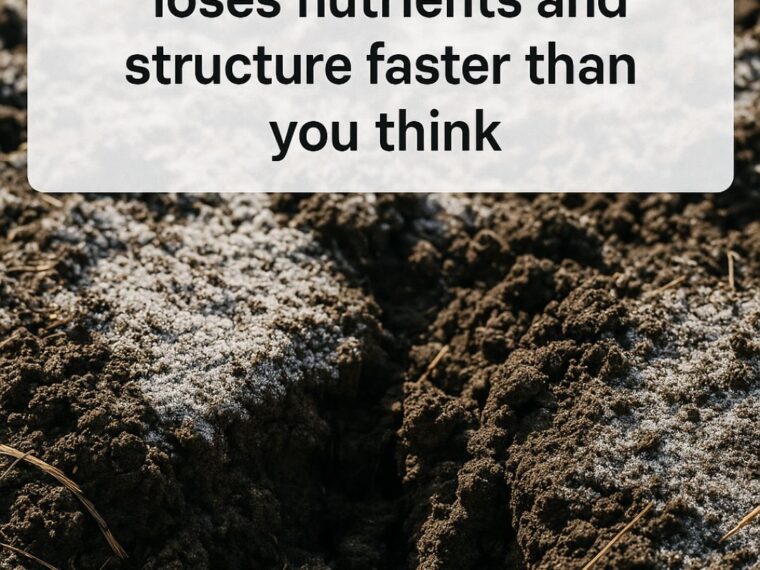
As the seasons change and winter approaches, many gardeners and farmers might consider leaving their fields and garden beds bare, thinking the soil could use a rest. However, this seemingly harmless decision can lead to significant degradation of soil health. Bare winter soil is far more susceptible to nutrient loss and structural damage than one might imagine, leading to long-term impacts on fertility and productivity.
Understanding the mechanisms that contribute to soil degradation during winter months is essential for any land steward. From physical processes like erosion and compaction to biological ones such as microbial slowdown, each factor plays a role in diminishing soil quality. This article dives deep into why bare winter soil loses nutrients and structure faster than you think, and what you can do to mitigate these effects.
1. How Winter Exposes Bare Soil to a Perfect Storm of Damage
Winter presents a unique set of challenges for soil. Without the protective cover of plants, the soil surface is fully exposed to harsh winter elements. Freezing temperatures, fluctuating moisture levels, and increased precipitation all contribute to a ‘perfect storm’ for soil degradation. When soil is left bare, it becomes highly vulnerable to these conditions, leading to accelerated erosion and nutrient leaching.
The absence of plant cover removes the natural barrier that can intercept raindrops, reduce wind speed, and maintain soil structure. Studies have shown that soil left bare over winter can lose up to five times more organic material and nutrients than covered soil. This loss is not just physical but also chemical, as essential nutrients like nitrogen and phosphorus are washed away or leached deep into the soil, becoming inaccessible to future crops.
2. The Freeze–Thaw Cycle That Shatters Soil Structure
One of the most damaging processes for bare soil in winter is the freeze-thaw cycle. As temperatures drop below freezing, water within the soil expands, creating pressure that can break apart soil aggregates. These aggregates are crucial for maintaining soil structure, porosity, and root penetration.
When temperatures rise again, the ice melts, causing the soil to contract. This repetitive expansion and contraction can lead to a breakdown of soil structure, making it more susceptible to erosion and compaction. Research indicates that soils experiencing frequent freeze-thaw cycles can see a reduction in aggregate stability by as much as 50%, severely affecting its ability to support plant growth in the spring.
3. Raindrop Impact: The Invisible Hammer That Compacts and Seals Soil
Raindrop impact might seem insignificant, but when soil is unprotected, each drop acts like a tiny hammer, compacting the soil surface and sealing it. This process reduces the soil’s ability to absorb water, leading to increased runoff and erosion.
Studies have shown that raindrop impact can lead to a crust forming on the soil surface, which can reduce infiltration rates by 50% or more. This crust not only inhibits water penetration but also prevents seedlings from emerging, making it harder for crops to establish in the spring.
4. Runoff and Erosion: How Nutrients Literally Wash Away
Without plant roots to anchor it, bare soil is prone to being carried away by water runoff. This runoff not only strips away the topsoil, which is rich in organic matter and nutrients, but also causes sedimentation in nearby water bodies, leading to environmental issues.
Erosion can remove about 1-2 tons of soil per acre per year under typical winter conditions. This loss includes essential nutrients like nitrogen, phosphorus, and potassium, which are critical for plant growth. The economic and environmental cost of this nutrient loss is significant, as it requires more inputs to replenish the lost fertility.
5. Wind Erosion: Fine, Fertile Particles Lost to the Winter Air
In addition to water erosion, wind can also cause significant soil loss during the winter months. Without the protective cover of vegetation, fine soil particles are easily lifted and carried away by the wind, a process known as deflation.
Wind erosion can remove the most fertile portion of the soil, the top layer that contains organic matter and nutrients. In regions with strong winter winds, this can result in a noticeable loss of soil depth and quality, affecting future crop yields. It is estimated that wind erosion can strip away up to 5 tons of soil per acre each year in exposed fields.
6. Microbial Slowdown and Death in Unprotected Soil
Soil microbes play a crucial role in nutrient cycling and organic matter decomposition. During winter, the absence of plant cover and insulating mulch exposes soil to lower temperatures, slowing down microbial activity significantly.
Cold, bare soil can see a reduction in microbial biomass by up to 30%, leading to decreased organic matter decomposition and nutrient availability. In severe cases, some microbial populations may die off completely, disrupting the soil’s biological balance and reducing its fertility in the long term.
7. Organic Matter Burnout and the Collapse of Soil Aggregates
Organic matter is the glue that holds soil aggregates together, providing structure and fertility. In bare soils, increased exposure to weather elements can speed up the decomposition of organic matter, leading to its burnout.
This accelerated loss of organic matter weakens soil aggregates, making the soil more susceptible to erosion and compaction. Without sufficient organic matter, soils lose their ability to retain moisture and nutrients, leading to a decline in overall soil health and productivity.
8. Nutrient Leaching: Nitrogen and Friends Slip Below Root Reach
Leaching is a process where water-soluble nutrients are washed down through the soil profile, beyond the reach of plant roots. In bare winter soils, the lack of vegetation allows precipitation to percolate rapidly, carrying nutrients like nitrogen, potassium, and magnesium with it.
This nutrient loss not only reduces soil fertility but can also lead to groundwater contamination. Studies have shown that bare soils can lose up to 50% more nitrogen through leaching compared to covered soils, highlighting the importance of maintaining soil cover during winter months.
9. Compaction From Foot Traffic, Machinery, and Livestock on Bare Ground
Compaction is a common issue in bare soils, especially when subjected to foot traffic, machinery, or grazing livestock. The weight of these activities compresses the soil, reducing its porosity and ability to drain water.
Compacted soil can inhibit root growth and reduce air exchange, leading to poor plant health and yields. Research indicates that soil compaction can reduce crop yields by up to 20%, making it a significant concern for agricultural productivity.
10. The Myth of the “Clean” Winter Garden Bed
Many gardeners believe that a ‘clean’ garden bed, free of plant debris, is beneficial for preventing pests and diseases. However, removing plant cover exposes the soil to the elements, increasing the risk of erosion and nutrient loss.
In reality, leaving some plant residues or using cover crops can protect the soil and enhance its fertility. These practices provide a habitat for beneficial organisms and help maintain soil structure, counteracting the negative effects of a bare soil surface.
11. Why Weeds Love Bare Winter Soil More Than Your Crops Do
Bare soils provide an open invitation for weeds, which are often better adapted to harsh conditions than cultivated crops. Weeds can quickly colonize exposed soil, outcompeting desired plants for nutrients and water.
Weeds not only reduce the availability of resources for crops but also contribute to soil degradation by depleting nutrients without returning organic matter. Controlling weeds in bare winter soils can be challenging, requiring more herbicides or manual removal, which adds to the labor and environmental costs.
12. Viral Winter “Cleanup” Hacks That Quietly Damage Your Soil
Social media and gardening forums are rife with ‘hacks’ for winter soil management, many of which advocate for removing all plant material and leaving the soil bare. While these methods may simplify garden maintenance, they can inadvertently harm soil health.
Such practices strip the soil of its protective cover, increasing susceptibility to erosion and nutrient loss. Instead, adopting strategies like mulching or planting cover crops can provide long-term benefits for soil fertility and structure, countering the negative impacts of these viral trends.
13. Cover Crops and Mulch: The Simple Shields That Change Everything
Cover crops and mulch are effective tools for protecting soil during the winter months. Cover crops, such as winter rye or clover, provide a living canopy that reduces erosion, improves soil structure, and enhances nutrient cycling.
Mulch, whether organic or inorganic, acts as a protective blanket, insulating the soil against temperature fluctuations and reducing moisture loss. These practices help maintain soil fertility, structure, and microbial activity, ensuring a healthy and productive soil ecosystem come spring planting.
Conclusion
The challenges faced by bare winter soil are numerous and can have lasting impacts on soil health and productivity. Understanding these processes and implementing protective measures like cover crops and mulch can mitigate many of the negative effects, preserving soil quality for future growing seasons.
By acknowledging the importance of protecting soil during the winter months, gardeners and farmers can not only enhance their yields and reduce input costs but also contribute to sustainable land management practices that benefit the environment as a whole.