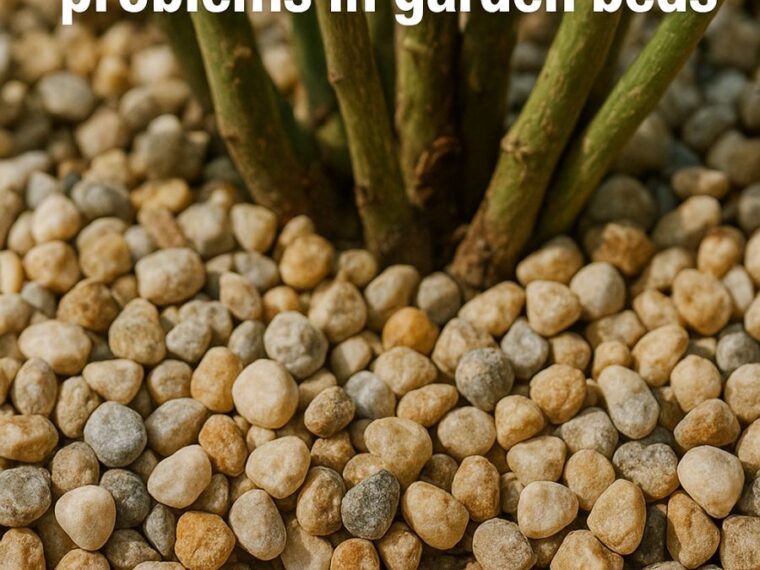
In the quest for a low-maintenance garden, many homeowners have turned to gravel mulch as an attractive and seemingly easy solution. This landscaping material, often made from crushed stones or small pebbles, is touted for its durability, cleanliness, and ability to suppress weeds. However, while gravel mulch can offer some immediate benefits, it can also lead to significant long-term problems for garden beds and the plants within them.
Understanding the potential drawbacks of gravel mulch is crucial for any gardener or landscaper. From altering soil temperatures to hindering plant growth, the issues associated with gravel mulch can have lasting impacts on the health of a garden ecosystem. This article explores why gravel mulch can become a problematic choice over time, offering insights into its effects on soil health, plant vitality, and environmental sustainability.
1. Why Gravel Mulch Became a Trending Garden Hack
Gravel mulch became popular due to its aesthetic appeal and the perception of being a low-maintenance solution for gardens. Many people are drawn to its clean, modern look and the variety of colors and sizes available, which can complement different landscaping styles. Moreover, gravel mulch is often marketed as a permanent solution that doesn’t need to be replenished as frequently as organic mulches like bark or straw.
Homeowners are also attracted to the idea of gravel mulch because of its ability to suppress weeds. The weight and density of gravel can indeed make it difficult for many weeds to break through. Additionally, gravel mulch is considered fire-safe compared to organic mulches, making it a preferred choice in regions prone to wildfires. These benefits, combined with the belief that gravel mulch improves drainage, have contributed to its widespread adoption.
2. How Gravel Mulch Disrupts Soil Temperature and Microclimate
Gravel mulch can significantly alter the temperature and microclimate of the soil it covers. Unlike organic mulches, which can help to insulate the soil and maintain a more stable temperature, gravel absorbs and retains heat from the sun. This can lead to higher soil temperatures, especially in the summer months, potentially exceeding 10°F (about 5°C) above the ambient air temperature.
These elevated temperatures can stress plants, particularly those that prefer cooler root zones. Moreover, the heat retention can extend well into the evening, prolonging the stress period for plants. The altered microclimate can also affect microbial activities in the soil, as beneficial microorganisms and earthworms prefer more moderate conditions. This disruption can lead to a decrease in soil fertility over time.
3. Compacted Stone Layers Suffocate Roots and Soil Life
Over time, the weight of gravel can lead to soil compaction, especially if heavy stones are used. Compacted soil reduces the pore space available for air and water, which are essential for root respiration and healthy plant growth. This compaction can suffocate plant roots and inhibit their ability to uptake nutrients and water.
Additionally, compaction negatively affects soil life. Earthworms and beneficial microbes, which play crucial roles in nutrient cycling and soil structure, struggle to thrive in compacted environments. The lack of a healthy soil ecosystem can lead to poor plant performance and increased susceptibility to pests and diseases.
4. Drainage Myths: When Gravel Actually Traps Water
One of the most common misconceptions about gravel mulch is that it improves drainage. While gravel can provide some drainage benefits on its own, when used as mulch, it can actually trap water beneath its surface. This occurs because the dense layer of stones can create a barrier that slows the evaporation of moisture from the soil.
In poorly drained soils, this can lead to waterlogging, which suffocates plant roots and encourages root rot and fungal diseases. Instead of improving drainage, gravel mulch can exacerbate existing drainage issues, especially in clay-heavy soils that already struggle with water retention.
5. Heat Island Effect: Scorching Roots and Stressing Plants
The heat island effect refers to the tendency of certain materials, like gravel, to absorb and radiate heat. In garden beds, this effect can lead to excessively high temperatures that stress plants. The heat absorbed by the gravel during the day can be radiated back into the soil, raising root zone temperatures to levels that can damage sensitive plants.
Plants that are not adapted to high heat conditions may experience symptoms such as wilting, leaf scorch, and even death. The elevated temperatures can also increase the plants’ water needs, leading to more frequent watering and potential water stress if additional moisture is not provided.
6. Nutrient Starvation Under Inert, Lifeless Mulch
Gravel mulch is inert, meaning it does not decompose or contribute any organic matter to the soil. Unlike organic mulches, which break down over time and enrich the soil with nutrients, gravel provides no nutritional benefits. This lack of organic input can lead to nutrient starvation for plants, especially if no other form of fertilization is provided.
Over time, the absence of nutrient cycling can lead to a decline in soil health and fertility. Plants may show signs of nutrient deficiencies, such as yellowing leaves and stunted growth. To counteract this, gardeners may need to rely more heavily on synthetic fertilizers, which can further disrupt soil ecology and contribute to environmental pollution.
7. Weed Problems That Get Worse, Not Better, Over Time
While gravel mulch can initially suppress weeds, it is not a foolproof solution. Over time, organic matter such as leaves, dust, and other debris can accumulate on top of the gravel, creating a fertile environment for weed seeds to germinate. As a result, weeds can begin to establish themselves in the gravel layer, making them difficult to remove.
Once weeds take hold, they can be challenging to eradicate without disturbing the gravel mulch. Pulling weeds can dislodge the stones, leading to uneven coverage and the need for constant maintenance. Additionally, the use of herbicides on gravel can be problematic, as the chemicals can leach into the soil and harm desirable plants.
8. Gravel Plus Landscape Fabric: A Maintenance Nightmare
Many gardeners combine gravel mulch with landscape fabric to further suppress weeds, but this combination can create more problems than it solves. While the fabric can initially prevent weeds from penetrating the gravel, it also inhibits water and air exchange between the soil and atmosphere.
Over time, the fabric can become clogged with soil particles, reducing its permeability and leading to water pooling on the surface. This can create an ideal environment for mold and mildew, as well as make plant roots more vulnerable to rot. Additionally, removing or replacing the fabric can be labor-intensive and costly, as it often requires removing the gravel layer entirely.
9. Long-Term Soil Degradation and Loss of Organic Matter
The use of gravel mulch can contribute to long-term soil degradation by preventing the natural accumulation of organic matter. In a healthy ecosystem, organic matter from plant debris and mulch breaks down to form humus, which improves soil structure, water retention, and nutrient availability.
Without this organic input, soil can become compacted and depleted of essential nutrients. The lack of organic matter also reduces the soil’s ability to support a diverse range of soil organisms, leading to a decline in soil health and fertility. Over time, this can result in poor plant performance and an increased reliance on artificial fertilizers and soil amendments.
10. Damage to Trees, Shrubs, and Perennials in Gravel Beds
Trees, shrubs, and perennials planted in gravel beds can be particularly vulnerable to the negative effects of gravel mulch. The increased soil temperatures and reduced moisture availability can stress these plants, leading to poor growth and increased susceptibility to pests and diseases.
In particular, the roots of trees and shrubs can suffer from the lack of oxygen and compacted soil conditions caused by gravel. This can lead to root dieback and even plant death if not addressed. Additionally, the sharp edges of some types of gravel can damage the bark of young trees and shrubs, creating entry points for pathogens.
11. Hidden Costs: Removal, Replacement, and Ongoing Upkeep
While gravel mulch may seem like a cost-effective option initially, the long-term expenses can be significant. Over time, gravel can become discolored, compacted, or displaced, requiring replacement or replenishment. Additionally, the need for regular weed control and maintenance can add to the ongoing costs.
Removing gravel mulch can also be a labor-intensive and costly process. If gravel needs to be removed due to drainage issues or soil degradation, it often requires significant effort and expense. Furthermore, the environmental impact of gravel extraction and transportation can contribute to the overall cost and sustainability considerations.
12. Environmental Downsides: Runoff, Microplastics, and Habitat Loss
The use of gravel mulch can have several environmental downsides. Gravel extraction can lead to habitat destruction and increased carbon emissions due to transportation. Moreover, the runoff from gravel-covered areas can contribute to the erosion of nearby soils and waterways.
In some cases, landscape fabrics used with gravel mulch can break down over time, releasing microplastics into the soil and environment. These microplastics can have detrimental effects on soil health and water quality. Additionally, the heat retention properties of gravel mulch can contribute to the urban heat island effect, exacerbating local climate conditions.
13. When (and Where) Gravel Mulch Actually Makes Sense
Despite its drawbacks, there are situations where gravel mulch can be a suitable landscaping choice. In xeriscaping, where water conservation is a priority, gravel mulch can be used effectively to reduce evaporation and create a low-water landscape. It is also appropriate in areas with high foot traffic, where the durability of gravel can withstand wear and tear.
Gravel mulch can also be beneficial in regions prone to wildfires, as it is non-flammable and can help create defensible spaces around structures. When used thoughtfully and in conjunction with appropriate plant selections and soil management practices, gravel mulch can be integrated into sustainable landscape designs.