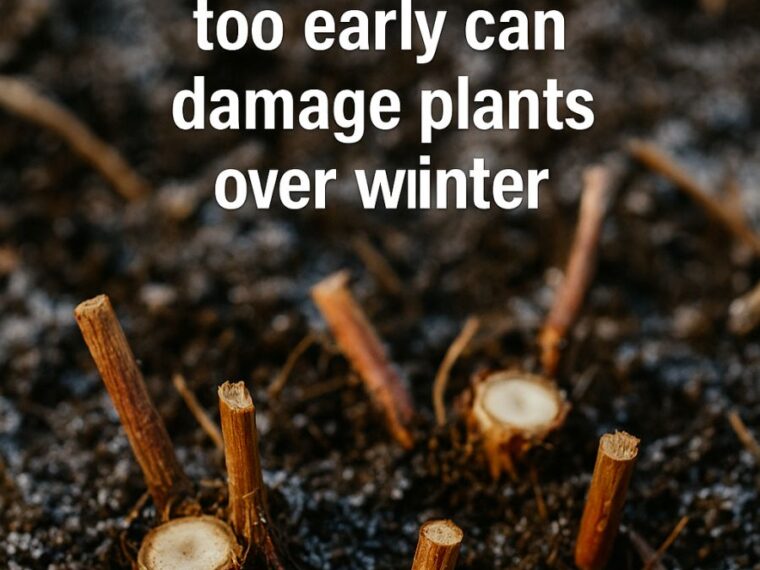
As the vibrant colors of summer begin to fade into the crisp, cool tones of fall, many gardeners feel the urge to tidy up their gardens in preparation for winter. This often includes cutting back perennials to create a clean slate for the following spring. However, cutting back perennials too early in the season can have detrimental effects on the plants’ health and their ability to survive the harsh winter months.
Understanding why timing is crucial for cutting back perennials can help gardeners make informed decisions that protect their plants. By knowing how perennials naturally prepare for winter and the roles that their foliage and stems play in their survival, gardeners can optimize their care practices to ensure a thriving spring garden.
1. How Perennials Naturally Prepare Themselves for Winter
Perennials have evolved to survive winter conditions by entering a state of dormancy, where their growth slows down significantly. This process usually begins in late summer when the days start to shorten and temperatures drop. The plants gradually reduce their metabolic activity, conserve energy, and prepare for the cold months ahead.
During this period, perennials start to transfer nutrients and carbohydrates from their leaves and stems down into their roots. This is crucial as it provides the energy reserves needed to maintain the plant until it can resume growth in the spring. Cutting back perennials too early interrupts this process, potentially leaving the plant with insufficient energy reserves to survive the winter.
2. Why Green Foliage Is Still Working Hard in Fall
Even as temperatures drop, the green foliage of perennials continues to photosynthesize, albeit at a reduced rate. This ongoing photosynthesis is vital for the plant’s energy storage process. By cutting back perennials while their foliage is still green and functioning, gardeners inadvertently halt this essential energy production.
Additionally, green foliage can also help the plant manage its water resources more efficiently during the fall. As the plant prepares for winter, it needs to balance moisture levels, and the presence of living foliage aids in this task. Removing green foliage prematurely can disrupt these natural processes, leaving the plant vulnerable to winter stress.
3. The Role of Old Stems and Leaves as a Protective Blanket
Old stems and leaves serve as a natural mulch that insulates the plant’s crown and root system during winter. This protective layer helps to moderate soil temperatures and reduce the risk of freeze-thaw cycles, which can damage the plant’s roots.
By cutting back perennials and removing this natural insulation, gardeners may expose the plant to more extreme temperature fluctuations. This can lead to frost heaving, where the soil repeatedly freezes and thaws, pushing the plant out of the ground and damaging its root system.
4. How Early Cutting Exposes Crowns and Roots to Freeze–Thaw Damage
The crown of a perennial is the part of the plant where the stem meets the roots, and it’s particularly vulnerable to damage during winter. Cutting back perennials too early removes the foliage that naturally protects the crown from extreme temperature swings.
Without this protection, the crown and roots are exposed to freeze-thaw cycles, which can cause the plant to be pushed out of the soil. This not only damages the roots but also increases the risk of the plant drying out or being killed by winter cold. The repeated freezing and thawing can be particularly damaging in regions with fluctuating winter temperatures.
5. Moisture Loss and Desiccation: The Hidden Winter Killer
Moisture loss, or desiccation, is a significant threat to perennials during the winter months. Without adequate protection, harsh winter winds can dry out the plant’s tissues, leading to cellular damage and death.
The remaining foliage and stems on a perennial help to trap snow and moisture, creating a microenvironment that reduces the impact of drying winds. By removing these protective structures too early, gardeners increase the risk of desiccation, which can be fatal to the plant, especially in areas with dry, windy winters.
6. Nutrient Storage: What Plants Lose When You Cut Too Soon
During the fall, perennials work to store nutrients that will be crucial for their spring growth. The process involves the translocation of nutrients from the foliage to the roots, where they are stored over winter.
Cutting back perennials too early disrupts this process, potentially leaving the plant with insufficient nutrient reserves. This can result in weaker spring growth, fewer flowers, and a diminished overall vigor, affecting the plant’s ability to thrive in the new growing season.
7. Hollow Stems, Rot, and Disease Entry Points in Over‑Tidied Beds
Cutting back perennials too early can lead to several problems related to stem health. Many perennials have hollow stems that, when cut, can collect water and become entry points for rot and disease.
These open wounds can harbor fungal spores and bacteria, leading to infections that can spread to other parts of the plant. Furthermore, by removing the natural leaf litter and debris, gardeners inadvertently create a less healthy environment for beneficial organisms that help keep plant diseases in check.
8. The Impact on Spring Growth, Flowering, and Overall Vigor
The consequences of cutting back perennials too early can be seen in the spring when plants begin to grow again. A lack of stored nutrients and energy reserves can lead to stunted growth, fewer blooms, and a generally weaker plant.
This reduction in vigor not only affects the aesthetic appeal of the garden but also makes plants more susceptible to pests and diseases, further compounding the negative impacts of early cutting. Ensuring that perennials are given the time to naturally prepare for winter can help maintain their health and vitality in the long term.
9. Beneficial Insects and Wildlife That Depend on Standing Perennials
Standing perennials provide essential habitats for a variety of beneficial insects and wildlife during the winter months. Many pollinators, such as bees, overwinter in the hollow stems of perennials, while birds rely on the seeds for food.
By cutting back perennials too early, gardeners disrupt these natural habitats and food sources, potentially harming local ecosystems. Leaving perennials standing not only benefits the plants themselves but also supports biodiversity and promotes a healthy garden environment.
10. Microclimates and Soil Health Created by Leaving Plants Standing
Leaving perennials standing over winter creates microclimates that can benefit both the plants and the soil. The remaining foliage and stems trap snow, which insulates the soil and provides consistent moisture levels.
Additionally, the decomposing organic matter adds nutrients back into the soil, improving its structure and fertility. This natural process supports the health of the perennial and encourages a thriving garden ecosystem, making it a valuable practice for sustainable gardening.
11. Popular Fall Cleanup Hacks That Actually Harm Perennials
Many gardeners believe that cutting back perennials in the fall is a necessary part of garden maintenance. However, popular cleanup methods, such as cutting all foliage to the ground, can be detrimental.
These practices often remove essential protective structures and disrupt the plant’s natural processes, leading to a weaker and less resilient garden. Instead, gardeners should focus on understanding the needs of their plants and adjusting their maintenance practices accordingly.
12. When It *Is* Safe to Cut Back (And When You Should Definitely Wait)
Timing is crucial when it comes to cutting back perennials. It’s generally safe to cut back perennials once they have fully entered dormancy, which is usually after the first hard frost.
However, gardeners should be aware of the specific needs of each plant species, as some may benefit from being left standing through winter. Observing the plant’s natural cycles and understanding its requirements can help determine the best time to cut back.
13. Smart Alternatives to Early Cutting for a Neater Fall Garden
For gardeners who prefer a tidier fall garden, there are alternatives to cutting back perennials too early. One option is to selectively trim plants that have already senesced, while leaving others that are still actively storing nutrients.
Gardeners can also focus on managing weeds and other debris, rather than cutting back perennials, to maintain a neat appearance. Embracing natural garden aesthetics and understanding the ecological benefits of leaving perennials standing can result in a healthier and more sustainable garden.