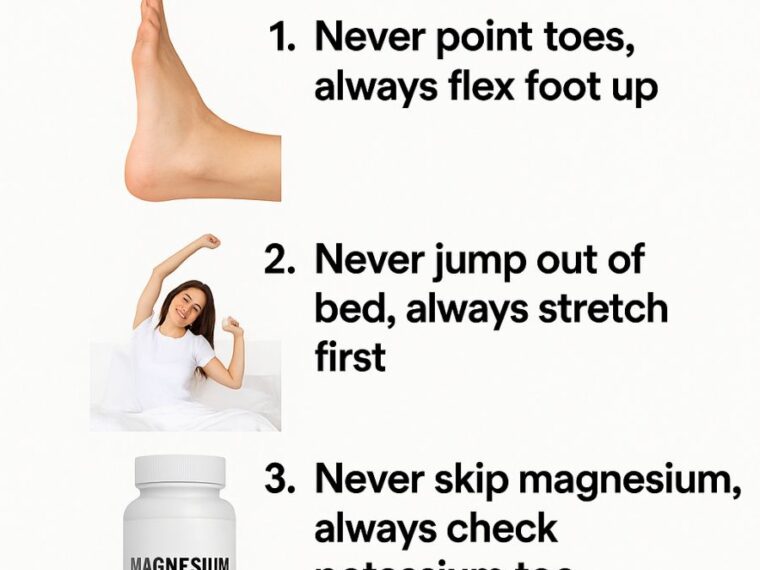
Nighttime leg cramps are an all-too-common annoyance that can disrupt your sleep and leave you feeling out of sorts the next day. Often striking without warning, these sudden, painful muscle contractions typically occur in the calf muscles but can also affect the thighs and feet. While they usually last only a few seconds to minutes, the discomfort can linger, making it difficult to fall back asleep.
Many people believe that leg cramps are simply an inevitable part of life, but the truth is that there are effective strategies to alleviate and even prevent them. Understanding the right techniques and lifestyle adjustments can make a significant difference in your sleep quality and overall well-being. In this article, we will explore the common mistakes people make in addressing leg cramps and provide you with evidence-based methods to relieve them effectively.
1. Understand the Causes of Nighttime Leg Cramps
Nighttime leg cramps can be caused by a variety of factors, ranging from dehydration to prolonged sitting or standing. These cramps occur when a muscle involuntarily contracts and does not immediately relax, leading to sharp pain. Research suggests that muscle fatigue and nerve dysfunction may also contribute to their occurrence.
For some individuals, leg cramps may be linked to underlying conditions such as peripheral artery disease, diabetes, or neurological disorders. In other cases, nutritional deficiencies, particularly in minerals like magnesium and potassium, can increase the risk of cramps. It is important to identify the potential causes in your case to effectively address and prevent these painful episodes.
2. Never Point Your Toes, Always Flex Your Foot Up
When a leg cramp strikes, the natural instinct might be to point your toes to relieve the pain, but this can actually make the cramp worse. Instead, try flexing your foot upwards towards your knee. This action gently stretches the calf muscle, encouraging it to relax. Hold the stretch for 10 to 15 seconds and repeat if necessary until the cramp subsides.
Flexing your foot engages the opposing muscles, which can help release the cramp more effectively. Practice this technique regularly to ensure you can respond quickly and effectively when a cramp occurs.
3. The Importance of Stretching Before Getting Out of Bed
Starting your day with a gentle stretching routine can help prevent leg cramps from occurring at night. Before you get out of bed, take a few minutes to stretch your calf and foot muscles. Sit up in bed, extend your legs, and gently pull your toes towards you, holding for 15 to 30 seconds.
Incorporating stretches that target various muscle groups in your legs can improve flexibility and circulation, reducing the likelihood of cramps. Consistent stretching not only prevents cramps but also promotes overall muscle health and function.
4. The Role of Magnesium and Potassium in Preventing Cramps
Magnesium and potassium are essential minerals that play a critical role in muscle function. A deficiency in these nutrients can lead to muscle cramps and spasms. Magnesium helps maintain normal muscle and nerve function, while potassium is crucial for muscle contractions and nerve signals.
Incorporate magnesium-rich foods like almonds, spinach, and cashews into your diet. Bananas, oranges, and sweet potatoes are excellent sources of potassium. If dietary changes are insufficient, consider discussing supplementation with your healthcare provider.
5. Why You Should Avoid Icing Immediately
It might be tempting to reach for an ice pack to numb the pain of a leg cramp, but this can actually prolong the discomfort. Cold temperatures cause muscles to contract further, potentially exacerbating the cramp.
Instead, focus on gently massaging and stretching the affected area to promote relaxation. Once the immediate pain has subsided, applying a warm compress can further help soothe the muscle and reduce tension.
6. Utilize a Warm Towel for Initial Relief
Applying heat to a cramped muscle can provide immediate relief by increasing blood flow and promoting relaxation. Use a warm towel or heating pad on the affected area for 10 to 15 minutes. The warmth helps to soothe the muscle and can prevent the cramp from recurring.
For an added benefit, consider adding essential oils such as lavender or peppermint to the warm towel, as they have natural muscle-relaxing properties. This simple remedy can be an effective first step in alleviating a leg cramp.
7. Hydration: A Key Factor in Muscle Health
Staying adequately hydrated is crucial for preventing leg cramps, as dehydration can lead to electrolyte imbalances that affect muscle function. Aim to drink at least 8 to 10 glasses of water daily, adjusting for activity levels and climate.
In addition to water, consuming beverages and foods rich in electrolytes, such as coconut water or sports drinks, can help maintain the balance necessary for proper muscle function. Monitor your hydration status by checking the color of your urine; a pale yellow indicates adequate hydration.
8. The Benefits of Regular Exercise and Stretching
Regular physical activity strengthens muscles and enhances circulation, reducing the likelihood of nighttime cramps. Incorporate exercises such as walking, cycling, or swimming into your routine, aiming for at least 150 minutes of moderate activity per week.
Consistency is key. Pair exercise with regular stretching sessions, focusing on the calves, hamstrings, and quadriceps. Yoga and Pilates are excellent options for improving flexibility and muscle endurance, further reducing the risk of cramps.
9. The Impact of Proper Footwear on Leg Cramp Prevention
Wearing appropriate footwear provides the necessary support for your feet and legs, reducing strain and the risk of cramps. Choose shoes with good arch support and cushioning, especially if you spend long hours standing or walking.
Replace worn-out shoes regularly, as they lose their supportive features over time. Consider custom orthotics if you have specific foot issues, as they can provide additional support and alignment, preventing muscle fatigue and cramps.
10. The Influence of Sleep Position on Cramps
Your sleeping position can influence the occurrence of leg cramps. Sleeping with your toes pointed downwards can shorten the calf muscles, increasing the likelihood of cramps. Try sleeping on your back with a pillow under your knees to maintain a more neutral position.
Alternatively, sleeping on your side with a pillow between your knees can help align your legs and reduce muscle tension. Experiment with different positions to find what works best for you in preventing cramps.
11. When to Seek Medical Advice for Chronic Leg Cramps
If you experience frequent or severe leg cramps that disrupt your sleep and quality of life, it may be time to consult a healthcare professional. Chronic cramps could indicate underlying health issues such as nerve compression, vascular disease, or metabolic disorders.
Your doctor may recommend blood tests, imaging studies, or referrals to specialists to determine the cause of your cramps. Early intervention and treatment can prevent complications and improve your overall health and well-being.