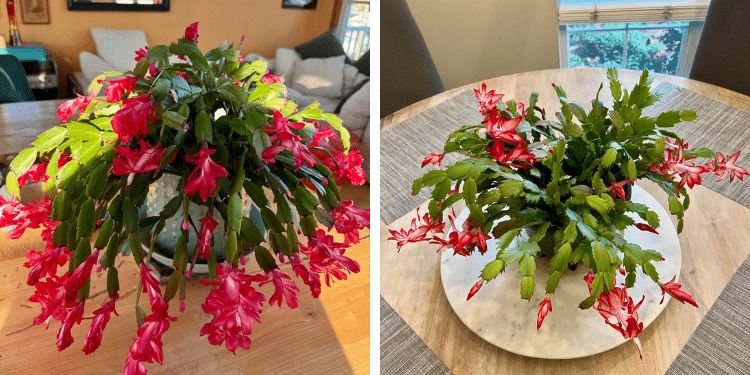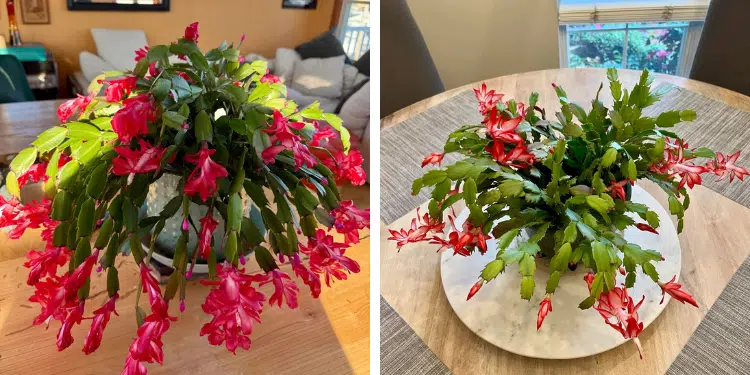
The Christmas cactus is famous for its vibrant winter flowers, yet many healthy plants fail to bloom year after year.
In most cases, the problem isn’t watering, fertilizer, or pruning – it’s placement.
Where you put your Christmas cactus in your home has a greater impact on blooming than almost any other factor.
Unlike desert cacti, the Christmas cactus (Schlumbergera) is a tropical epiphyte that evolved in shaded rainforest environments.
Understanding how light, temperature, humidity, and day length interact is the key to getting consistent, abundant blooms. Once the plant is placed correctly, it often flowers reliably with minimal effort.
Why Placement Matters More Than Anything Else
Christmas cactus buds form only when specific environmental cues are met. These cues include cooler temperatures, reduced light exposure, stable conditions, and gentle indirect sunlight during the day.
If the plant receives too much light, fluctuating temperatures, or constant nighttime illumination, it may grow beautifully but never bloom.
Correct placement recreates the plant’s natural habitat and signals that it’s time to flower.
The Ideal Light Conditions for Blooming
Christmas cactus needs bright but indirect light. Direct sunlight, especially from south- or west-facing windows, can stress the plant, scorch leaf segments, and interfere with bud formation.
The best locations are:
- east-facing windows with gentle morning light
- north-facing windows with consistent indirect brightness
- a few feet back from brighter windows
Light should be strong enough to keep the plant healthy, but never harsh or intense. Too little light leads to weak growth; too much light prevents blooming.
Why Darkness at Night Is Critical
One of the most overlooked factors in Christmas cactus care is nighttime darkness. To initiate buds, the plant needs long, uninterrupted periods of darkness – ideally 12 to 14 hours each night for several weeks.
This means placement matters even after sunset. Plants placed in rooms with lamps, televisions, or hallway lighting may never bloom because artificial light interrupts the dark cycle.
For best results:
- avoid living rooms with evening lights
- avoid kitchens with frequent nighttime activity
- choose quieter rooms where lights are turned off early
Bedrooms, spare rooms, or low-traffic areas often work best.
Temperature Placement for Maximum Blooms
Temperature plays a powerful role in bud development. Christmas cactus responds best to cooler nighttime temperatures, typically between 55–65°F (13–18°C).
Placing the plant near a cool window, away from heaters, radiators, fireplaces, or heat vents encourages bud formation. Warm, fluctuating temperatures can cause buds to drop or never form at all.
During the day, slightly warmer temperatures are fine as long as nights remain cool and stable.
Why Bedrooms Are Often the Best Location
Bedrooms often provide the perfect combination of:
- indirect daylight
- long periods of darkness at night
- cooler, more stable temperatures
- lower foot traffic
This makes bedrooms one of the most reliable locations for consistent blooming. Many people notice that Christmas cacti placed in bedrooms bloom more heavily than those kept in common living areas.
Avoid These Common Placement Mistakes
Some locations almost guarantee poor blooming results.
Avoid placing Christmas cactus:
- directly above radiators or near heaters
- next to fireplaces or wood stoves
- in kitchens with fluctuating heat and light
- under bright ceiling lights used at night
- on windowsills with direct midday sun
These conditions confuse the plant’s natural signals and interrupt bud development.
Humidity and Airflow Considerations
Because Christmas cactus is native to humid forests, it prefers moderate humidity. Dry air from heating systems can cause stress, especially when combined with poor placement.
Placing the plant:
- away from drafts
- away from forced-air vents
- near other plants (to raise humidity naturally)
helps maintain stable conditions that support flowering.
Bathrooms with good natural light can also work well, as long as temperatures stay cool enough.
Seasonal Placement Changes That Improve Blooming
During spring and summer, Christmas cactus can tolerate brighter locations and even filtered outdoor shade. However, in early fall, placement should change to encourage buds.
Moving the plant in autumn to a cooler, dimmer location with long nights helps trigger flowering. Once buds appear, avoid moving it again, as sudden changes can cause bud drop.
Stability during bud development is crucial.
What to Do Once Buds Appear
Once buds form, keep the plant in the same location. Avoid rotating it, changing rooms, or exposing it to temperature swings.
Consistent placement allows buds to mature fully and open into long-lasting blooms that can last weeks.
How Correct Placement Affects Bloom Size and Duration
Proper placement doesn’t just trigger blooming – it affects:
- number of flowers
- size of blooms
- bloom longevity
- overall plant health
Plants placed correctly often bloom more heavily and hold their flowers longer than those grown in less ideal conditions.
Signs Your Placement Is Working
You’ll know the placement is correct when you see:
- firm, plump leaf segments
- visible bud formation at segment tips
- minimal bud drop
- rich flower color
- long bloom duration
If buds form and then fall, the location likely has temperature swings or nighttime light exposure.
When it comes to Christmas cactus care, placement is everything. The right spot provides the signals this plant needs to bloom – cool nights, long darkness, gentle light, and stable conditions.