When the holidays are over, most people toss their Christmas tree without a second thought.
What many don’t realize is that Christmas tree branches are packed with fragrance, protective oils, and practical uses that can benefit your home, garden, and even your well-being long after the decorations come down.
Pine, fir, and spruce branches contain natural resins, antimicrobial compounds, and aromatic oils that have been used for centuries in traditional households.
Instead of sending your tree to the curb, cutting and saving a few branches allows you to reuse nature’s gifts in surprisingly powerful ways.
Here are 9 amazing ways to use Christmas tree branches once the festivities are over.
1. Naturally Freshen Your Home with Forest Scent
Christmas tree branches release essential oils that purify and freshen indoor air. When brought inside, they slowly release a crisp, forest-clean aroma that helps neutralize stale winter air.
Branches can be placed near radiators, doorways, or windows where gentle warmth releases their scent.
This creates a natural air-freshening effect without synthetic fragrances, making your home smell clean and calming for weeks.
2. Make a Soothing Winter Simmer Pot
Fresh evergreen branches are perfect for homemade simmer pots. When gently heated in water, they release aromatic compounds that help relax the nervous system and lift mood during darker winter months.
Combined with citrus peels, cinnamon sticks, or cloves, Christmas tree branches create a deeply comforting scent that fills the home and supports easier breathing.
This method has been used traditionally to cleanse air and boost seasonal wellness.
3. Create Natural Pest Repellent Bundles
Pine, fir, and spruce contain compounds that naturally repel insects such as moths, ants, flies, and spiders.
Dried branches can be bundled and placed in closets, garages, basements, or storage spaces to discourage pests.
Unlike chemical repellents, evergreen branches are safe, biodegradable, and leave behind a fresh scent rather than harsh fumes. This makes them ideal for areas where food or clothing is stored.
4. Protect Garden Soil and Plants Outdoors
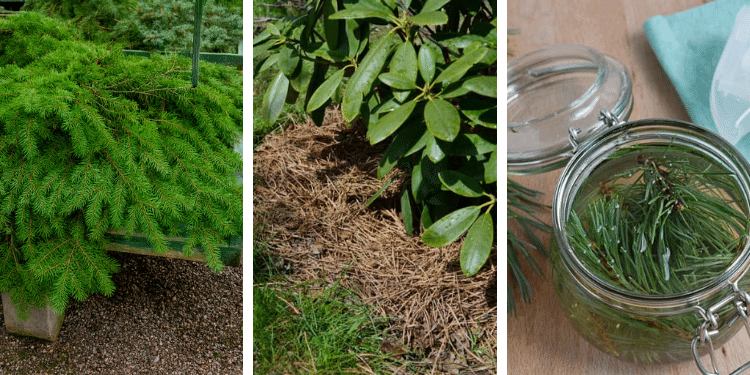
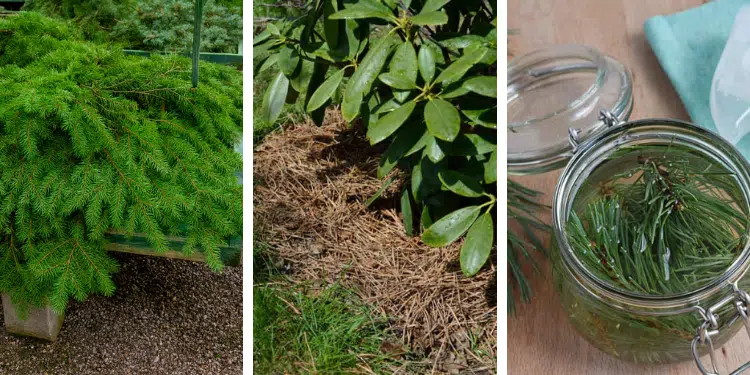
Cut Christmas tree branches make excellent natural mulch for garden beds. Laid over soil, they protect roots from frost, regulate moisture, and reduce erosion during winter storms.
Evergreen branches also discourage animals from digging and help prevent soil compaction. As they break down, they slowly add organic matter to the soil, improving structure and microbial health.
This is especially useful for perennial beds, berry bushes, and young trees.
5. Use Branches as Natural Fire Starters
Dried Christmas tree branches are rich in resin, which makes them ignite easily and burn hot. Small pieces can be used as natural fire starters for fireplaces, wood stoves, or outdoor fire pits.
When burned, they release a subtle forest aroma rather than chemical smells. This traditional method has been used for centuries in colder climates to start fires quickly and efficiently.
6. Create Foot Soaks and Steam Treatments
Evergreen branches can be used in warm water foot soaks or steam bowls. Pine and fir oils are known for their ability to relax muscles, improve circulation, and ease fatigue.
Boiling branches and allowing the water to cool slightly creates an aromatic soak that helps soothe tired feet, relieve tension, and promote relaxation after cold winter days.
The steam can also be inhaled gently to support respiratory comfort.
7. Protect Outdoor Paths and Walkways
Historically, evergreen branches were placed on icy paths to improve traction. The needles create a natural grip underfoot, reducing the risk of slipping on snow or ice.
Placing branches along garden paths, steps, or walkways not only improves safety but also keeps surfaces from freezing solid. Once winter passes, the branches can be composted or returned to garden beds.
8. Craft Natural Decorations and Wreaths
Even after Christmas, evergreen branches can be reused for rustic décor. Their structure and color make them ideal for wreaths, table arrangements, and seasonal crafts.
Branches can be dried and shaped into minimalist décor pieces that bring nature indoors. Unlike artificial decorations, they biodegrade naturally and can be composted after use.
9. Add to Compost for Rich, Balanced Soil
Christmas tree branches are a valuable “brown” material for compost piles. They provide carbon that balances kitchen scraps and helps compost break down efficiently.
Chopped into smaller pieces, evergreen branches improve airflow in compost, reduce odor, and discourage pests. Over time, they decompose into nutrient-rich organic matter that supports healthier soil.
Why Christmas Tree Branches Are Too Valuable to Waste
Evergreen branches are naturally antibacterial, aromatic, insect-repelling, and biodegradable.
They serve multiple purposes without costing anything or adding chemicals to your home or garden.
By reusing them, you:
- reduce waste
- save money
- support sustainable living
- reconnect with traditional practices
What once symbolized celebration can continue serving your household long after the holidays end.
Cutting and reusing Christmas tree branches transforms what most people consider waste into a powerful natural resource.
From freshening indoor air and repelling pests to protecting gardens and supporting relaxation, these branches offer far more value than meets the eye.