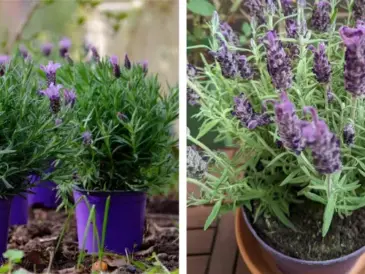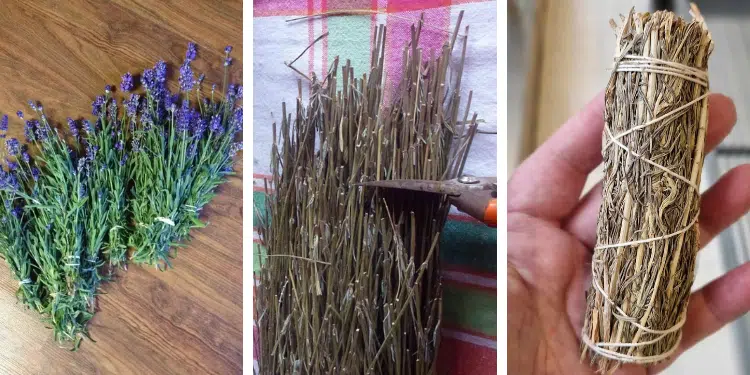
Most people grow lavender for its fragrant blooms – the stunning purple flowers that fill the air with a relaxing scent. But once the flowers are harvested, the stems often get tossed aside as “garden waste.”
What many don’t realize is that lavender stems hold fragrance, essential oils, and useful properties of their own. In fact, they can be just as practical and versatile as the flowers.
Lavender stems are woody, lightweight, and durable. They burn slowly, retain their aroma, and contain natural antibacterial and calming compounds.
Instead of throwing them out, you can repurpose them in creative, beneficial, and eco-friendly ways that bring the soothing power of lavender into your home all year long.
Here are 8 clever ways to use lavender stems – from natural home fragrance to fire starters, pest control, and more.
1. Use Dry Lavender Stems as Natural Fire Starters
Because lavender stems are dry and woody, they burn quickly while releasing a gentle, relaxing aroma. They make excellent natural fire starters for:
- fireplaces
- wood stoves
- fire pits
- outdoor grills
Bundle a handful of stems together, tie with twine, and use them the same way you’d use kindling.
As they burn, they release a sweet, herbal fragrance that fills the room with a comforting scent.
This is one of the easiest and most satisfying ways to repurpose lavender stems.
2. Make Lavender-Infused Cleaning Vinegar
Lavender stems contain natural antibacterial compounds. When infused in vinegar, they create a simple, powerful household cleaner that smells far better than store-bought alternatives.
How to make it:
- Fill a jar with chopped stems
- Cover with white vinegar
- Seal and let sit for 2–4 weeks
- Strain and pour into a spray bottle
Use it for cleaning countertops, sinks, glass, tile, and more. The lavender softens the vinegar smell, leaving behind a fresh, herbal aroma.
3. Create Homemade Lavender Wands or Mini Herb Bundles
Even without the flowers, lavender stems can be woven into mini wands, decorative bundles, or herb sticks that add charm and scent to your home.
Place them:
- in drawers
- in linen closets
- with stored towels
- inside pillowcases
- in clothing storage bins
As you move the stems or lightly crush them, they release a subtle lavender scent. These mini wands also help deter moths and closet pests naturally.
4. Use Them in Simmer Pots for Natural Home Fragrance
Lavender stems release fragrance when heated gently in water, making them perfect for stovetop simmer pots.
Combine them with:
- lemon slices
- orange peels
- rosemary
- cinnamon sticks
- vanilla extract
Simmer on low heat to fill your home with a calming, clean aroma. Unlike candles or synthetic sprays, a simmer pot creates a subtle natural fragrance without chemicals.
5. Add Them to Garden Mulch for Pest Control
Lavender naturally repels many garden pests, including:
- ants
- moths
- mosquitoes
- flies
Dry stems can be crumbled or broken and added to:
- garden beds
- potted plants
- raised beds
- pathways
As the stems break down, they release scent and mild natural oils that discourage unwanted insects. Over time, they decompose and improve soil texture.
6. Make Lavender Stem Tea for Foot Baths and Relaxation
While lavender flowers are the most popular for teas and baths, stems also contain calming compounds that dissolve beautifully in hot water.
For a stress-relieving foot soak:
- Boil a handful of stems for 10–15 minutes
- Strain into a basin
- Add warm water
This creates a soothing foot bath that helps relax tired muscles, soften skin, and reduce stress after a long day.
You can also add dried stems directly to bathwater inside a mesh bag or muslin cloth.
7. Use Them as Natural Skewers for Grilling
Lavender stems are sturdy, aromatic, and safe to use as herbal skewers when grilling vegetables or meats.
Their woody structure can hold:
- cherry tomatoes
- mushrooms
- shrimp
- chicken cubes
- zucchini slices
- small peppers
As they cook, the stems infuse food with a mild floral-herbal flavor similar to rosemary – perfect for summer grilling.
This technique works best with thicker, woody stems from mature lavender plants.
8. Grind Them Into Potpourri or Homemade Herb Blends
Even after drying, lavender stems hold fragrance. You can crush or grind them into small pieces using a mortar and pestle or spice grinder.
Mix them with:
- dried rose petals
- dried citrus peel
- cloves
- star anise
- eucalyptus leaves
This creates homemade potpourri that lasts for months. Lavender stems add texture, fragrance, and structure to your blends.
You can also use ground stems in homemade drawer sachets or place them inside cotton bags to freshen closets naturally.
Bonus: Compost Them for a Fragrant, Nutrient-Rich Additive
If you truly have more stems than you know what to do with, they make excellent compost material.
Their woody texture adds “brown” carbon to balance kitchen scraps, and they break down slowly while releasing a pleasant aroma.
Even in compost, lavender works as a natural pest deterrent, making bins less attractive to insects.
Why You Should Never Toss Lavender Stems Again
Lavender stems are far more valuable than most gardeners realize. They are:
- aromatic
- antibacterial
- pest-repelling
- long-lasting
- great for fire, fragrance, and crafts
By using them instead of discarding them, you reduce waste, save money, and fill your home with natural scents and handmade touches.