As the leaves begin to change color and the temperatures start to drop, gardeners everywhere prepare their gardens for the coming winter months. Pruning is a crucial task that helps ensure the health and vitality of your plants for the following spring. However, mistakes made during this process can lead to significant damage or even the death of beloved plants. It’s essential to understand the right techniques and timing for pruning to avoid these common pitfalls.
In this article, we will explore 12 common fall pruning mistakes that could be detrimental to your garden. From improper timing to using the wrong tools, we’ll cover a wide range of errors that are easily avoidable with a bit of knowledge and care. Whether you’re a seasoned gardener or a novice, understanding these mistakes can help you maintain a thriving garden year-round.
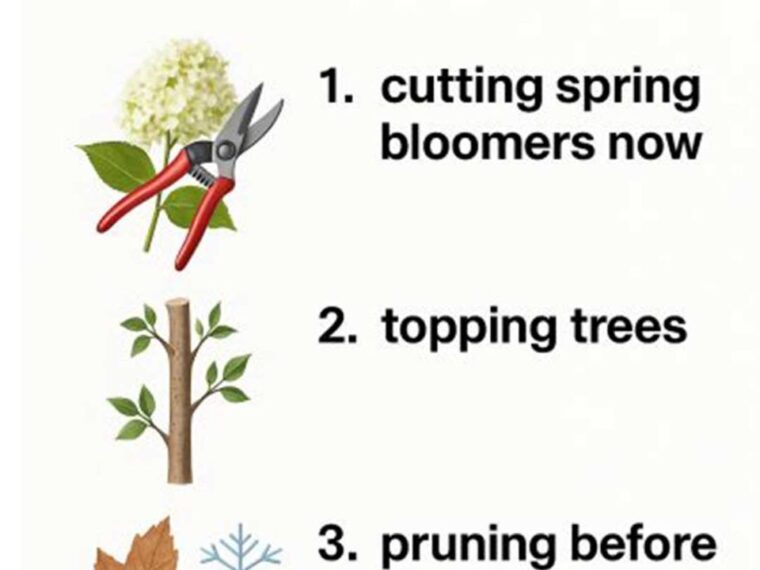
1. Pruning Spring Bloomers Too Early
One of the most common mistakes gardeners make is pruning spring-blooming plants in the fall. Plants like lilacs, forsythia, and azaleas set their buds for the next year’s blooms shortly after flowering in the spring. If you prune them in the fall, you risk cutting off the buds that would produce flowers in the spring. This can lead to a lackluster bloom season and disappointment.
To avoid this, it’s best to prune spring bloomers immediately after they have finished flowering in the spring. This gives the plants enough time to set new buds for the following year. Remember, timing is everything when it comes to pruning these plants. By waiting until after the bloom cycle, you ensure that you’re not inadvertently removing next year’s flowers.
2. Topping Trees: A Harmful Shortcut
Topping trees, or cutting off the top portion of the main trunk and branches, is often done in an attempt to control the size of a tree. However, this practice is highly detrimental to the health of the tree. Topping can lead to weak branch structures, increased susceptibility to disease and pests, and even tree death.
Instead of topping, consider thinning the canopy by selectively removing branches to allow for better air circulation and light penetration. This encourages healthy growth and maintains the natural shape of the tree. Proper pruning techniques, such as making cuts just outside the branch collar, can help prevent long-term damage and promote strong, healthy trees.
3. Pruning Before the Frost Hits
Pruning too early in the fall before the first frost can stimulate new growth that won’t have time to harden off before cold weather arrives. This tender new growth is highly susceptible to frost damage, which can harm the plant and reduce its chances of surviving the winter.
To avoid this mistake, wait until after the first frost to begin your fall pruning. This ensures that the plant has entered dormancy and won’t produce new growth that could be damaged by the cold. Additionally, focus on removing dead, damaged, or diseased wood, which can help prevent problems in the winter months.
4. Shearing Shrubs Flat: Aesthetic Over Function
Many gardeners are tempted to shear their shrubs flat to create a tidy, uniform appearance. However, this practice can be harmful to the plant’s health. Shearing removes the outer growth of a shrub, which can lead to a dense outer layer that blocks light and air from reaching the interior leaves and branches.
Instead of shearing, consider selectively thinning and shaping shrubs to maintain their natural form. This approach promotes better air circulation and light penetration, reducing the risk of disease and encouraging healthy growth. By prioritizing the plant’s health over aesthetics, you can enjoy a more vibrant and resilient garden.
5. Ignoring the Plant’s Natural Form
Each plant has a natural growth habit, and ignoring this when pruning can lead to unsightly and unhealthy plants. For example, plants with an upright growth habit may look awkward when pruned into a rounded shape, and vice versa.
Before pruning, take the time to understand the natural form of each plant in your garden. Prune in a way that enhances the plant’s inherent structure rather than fighting against it. This not only improves the plant’s appearance but also encourages healthy growth and reduces the risk of disease.
6. Using Dull or Dirty Tools
Using dull or dirty pruning tools can cause more harm than good. Dull blades can crush or tear plant tissue rather than making a clean cut, which can lead to increased vulnerability to disease and pests. Dirty tools can spread pathogens from one plant to another, exacerbating health issues.
Regularly sharpening and cleaning your tools is crucial for effective pruning. Use a sharpening stone to maintain a sharp edge, and clean your tools with a disinfectant like rubbing alcohol between cuts to prevent the spread of disease. Investing time in tool maintenance ensures that your plants receive clean, precise cuts, promoting faster healing and healthier growth.
7. Over-Pruning: Less Is More
Over-pruning is a common mistake that can stress plants and inhibit their growth. Removing too much foliage at once can reduce a plant’s ability to photosynthesize, weakening it and making it more susceptible to disease and pests.
As a general rule, never remove more than 25-30% of a plant’s foliage at one time. This allows the plant to recover and continue to grow healthily. It’s better to prune a little each year rather than trying to achieve the desired shape or size all at once. Patience and restraint are key to successful pruning.
8. Cutting at the Wrong Angle
The angle at which you make your pruning cuts can significantly impact plant health. Cutting at the wrong angle can lead to water pooling on the cut surface, increasing the risk of rot and disease.
For most plants, aim to make pruning cuts at a 45-degree angle just above a bud facing outward. This encourages new growth to develop away from the center of the plant, promoting a more open structure. Properly angled cuts also allow water to run off easily, reducing the risk of rot and disease.
9. Timing Mistakes: Understanding Plant Dormancy
Understanding when a plant enters dormancy is crucial for proper pruning. Pruning too early or too late can disrupt the plant’s natural cycle, leading to stress and reduced growth.
Most deciduous plants enter dormancy in late fall after the first frost, making this the ideal time for pruning. However, it’s important to research the specific dormancy period for each species in your garden. By aligning your pruning schedule with plant dormancy, you can minimize stress and promote healthy growth in the spring.
10. Neglecting to Clean Up Debris
After pruning, it’s essential to clean up any fallen branches, leaves, and debris. Leaving debris on the ground can attract pests and harbor diseases that may infect the plant and others nearby.
Dispose of pruning debris properly by composting healthy material or discarding diseased material to prevent the spread of pathogens. A clean garden not only looks tidy but also reduces the risk of disease and pest infestations, helping to maintain a healthy environment for your plants.
11. Not Considering Plant Health Before Pruning
Pruning a stressed or unhealthy plant can exacerbate existing issues. Before pruning, assess the overall health of the plant. Look for signs of disease, pest infestations, or environmental stress, and address these issues before proceeding with your pruning tasks.
Sometimes, it may be best to delay pruning until the plant has recovered. By prioritizing plant health, you ensure that your pruning efforts contribute to the plant’s long-term vitality rather than causing additional harm.
12. Misidentifying Pruning Needs for Different Species
Different plant species have unique pruning needs, and misidentifying these can lead to improper care. For example, some plants require pruning only once a year, while others may benefit from periodic trims throughout the growing season.
Research the specific pruning requirements for each species in your garden. Understanding factors such as bloom time, growth habit, and optimal pruning periods will help you provide the best care for each plant. Tailoring your approach to the needs of individual species ensures that your garden remains healthy and vibrant.