In the quest for keeping our food fresh and flavorful, the refrigerator often seems like the ultimate solution. However, not all pantry staples benefit from being stored in the cold. In fact, refrigeration can alter the texture, taste, and longevity of certain foods in ways that aren’t always desirable. Understanding which items thrive better outside the fridge can help you enjoy them at their best.
From condiments to produce, several common items are often mistakenly refrigerated, leading to unexpected results. This guide will explore ten pantry staples that should be kept out of the fridge to maintain their quality and enhance your culinary experience.
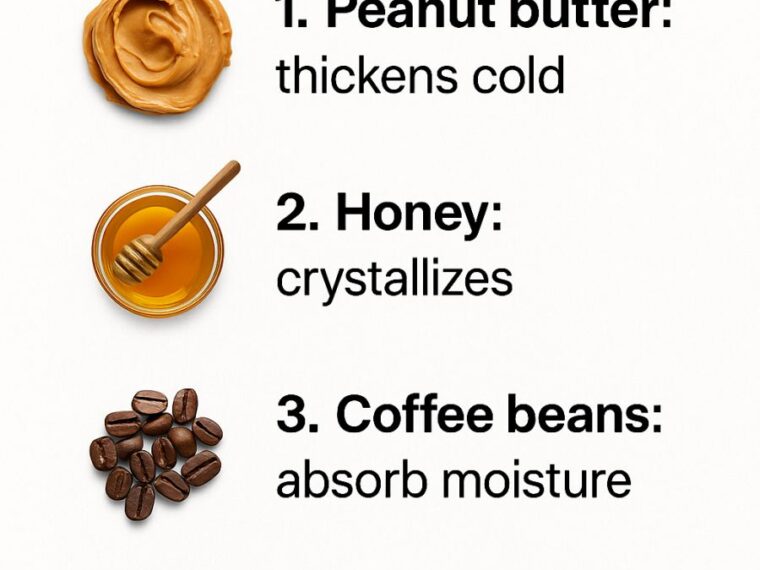
1. Peanut Butter: Avoid a Thick and Hard Spread
Natural peanut butter, with its minimal preservatives, is best stored in a cool, dry place. Refrigeration can cause it to harden, making it difficult to spread. The oils in peanut butter can also separate more prominently when refrigerated, leading to an uneven consistency. Ideally, keep peanut butter in a pantry at room temperature, and always ensure the lid is tightly sealed to preserve freshness.
2. Honey: Prevent Unwanted Crystallization
Honey is a natural preservative and doesn’t need refrigeration. When stored in the fridge, honey tends to crystallize, turning it into a grainy, thick substance. This crystallization does not spoil the honey, but it can make it less appealing and harder to use. To keep honey in its liquid form, store it in a tightly sealed container at room temperature, away from direct sunlight.
3. Coffee Beans: Protect Flavor by Avoiding Moisture
Refrigerating coffee beans can introduce moisture and cause them to absorb odors from other foods, both of which can degrade their flavor. Coffee beans are best stored in an opaque, airtight container in a cool, dark place. This setup protects them from light, heat, and humidity, ensuring the beans maintain their rich flavor and aroma until you’re ready to grind them.
4. Bread: Keep It Fresh and Soft
While it might seem logical to refrigerate bread to prolong its shelf life, this actually speeds up the staling process. The cold temperature causes the starch molecules in bread to recrystallize, leading to a dry and crumbly texture. Instead, store bread in a bread box or a paper bag at room temperature. If you need to keep it for more than a few days, consider freezing it instead.
5. Tomatoes: Preserve Flavor and Texture
Refrigerating tomatoes can alter their texture and diminish their flavor. Cold temperatures cause the cell walls in tomatoes to break down, resulting in a mealy texture. Additionally, refrigeration can mute the natural sweetness and aroma of tomatoes. To enjoy tomatoes at their best, store them in a single layer at room temperature, stem-side up, and out of direct sunlight.
6. Onions: Prevent Mold and Softness
Onions thrive in a cool, dry, and well-ventilated area. Refrigeration can introduce moisture, leading to mold and a mushy texture. For optimal storage, keep onions in a mesh bag or a basket in a pantry or a cool dark place. Avoid storing onions near potatoes, as they can release moisture and gases that may cause each other to spoil more quickly.
7. Garlic: Retain Freshness and Flavor
Like onions, garlic benefits from being stored in a cool, dry place with good air circulation. Refrigeration can encourage mold growth and sprouting in garlic. To keep garlic fresh, store whole bulbs in a well-ventilated container in a dark, dry corner of your kitchen. Once you’ve broken a bulb, use the cloves within a few weeks for the best flavor.
8. Potatoes: Avoid a Sugary Taste
Storing potatoes in the refrigerator can cause their starches to convert into sugars, resulting in an undesired sweet taste and a gritty texture when cooked. Potatoes prefer a cool, dark, and dry environment. A paper bag or a cardboard box in a pantry or cellar is ideal. Ensure they are kept away from onions to prevent premature spoilage.
9. Olive Oil: Prevent Cloudiness and Solidification
Olive oil solidifies and becomes cloudy when stored in the fridge, making it difficult to pour and use. This change in consistency does not affect the oil’s health benefits but can be inconvenient. To maintain its liquid state and full flavor, store olive oil in a cool, dark cupboard, tightly sealed to prevent oxidation.
10. Hot Sauce: Maintain Optimal Flavor
Most commercial hot sauces contain vinegar and salt, which act as preservatives. Refrigeration is not necessary and can even dull the vibrant flavors over time. Instead, keep hot sauce in a cool, dark place like a pantry. However, if you’re dealing with homemade hot sauce with less vinegar, refrigeration might be advisable for longer-term storage
11. Avocados: Control Ripening Process
Avocados are best ripened at room temperature. Placing them in the fridge can halt the ripening process, leaving you with hard and unripe fruit. Once avocados are ripe, you can refrigerate them for a few days to extend their shelf life. To speed up ripening, place them in a paper bag with a banana or apple, which release ethylene gas and accelerate ripening.