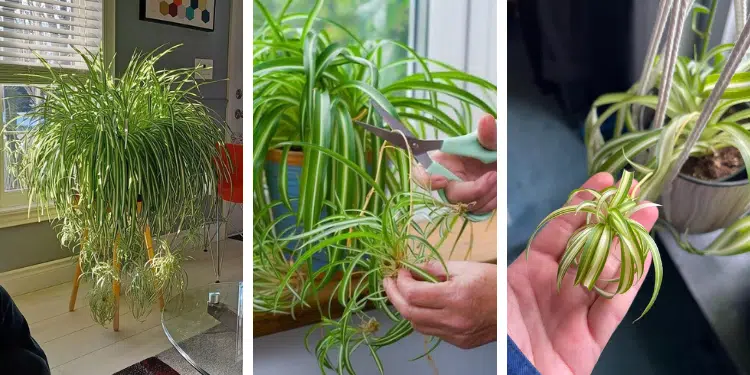
Spider plants (Chlorophytum comosum) are famous for producing adorable “babies,” or pups – long dangling offshoots that eventually grow into full-sized plants.
These pups are one of the biggest reasons spider plants remain beloved worldwide. But during winter, especially in December, many spider plant owners notice that the plant slows down and produces fewer pups.
That doesn’t mean pup production stops – it simply requires the right environment. December is a transitional month where daylight is low, temperatures drop, and the plant’s growth energy shifts.
With a few strategic care adjustments, you can encourage your spider plant to stay active, produce new shoots, and prepare for a heavy pup-producing season as soon as days start lengthening again.
Here are the five most effective December tricks to boost spider plant pup production – even during winter’s slow season.
Why December Is a Critical Month for Spider Plants
Spider plants naturally respond to changes in light and temperature. In winter:
- daylight decreases
- growth slows
- water uptake drops
- photosynthesis becomes less efficient
- the plant enters a mild resting period
However, spider plants don’t go completely dormant. They will still produce pups under the right conditions – and December is the month to set those conditions.
Your goal isn’t to force rapid growth but to create an environment that keeps the plant energized enough to produce developing baby shoots.
1. Give Your Spider Plant Maximum Winter Light
Light is the single most important factor for pup production, especially in winter. Spider plants can survive in low light, but they only produce babies in bright, indirect sunlight.
In December, natural light is weak, so you must increase it.
What to do:
- Move the plant as close to a bright window as possible.
- East- or south-facing windows are ideal.
- Clean dust off leaves to increase light absorption.
- Avoid direct harsh midday sun, but morning sun is beneficial.
- If your home is dim, add a small LED grow light for 4–6 hours daily.
Why light boosts pup production:
Spider plants only grow pups when they have strong chlorophyll production. More light = more photosynthesis = more energy for new shoots.
This one change alone can double your pup production potential.
2. Keep the Temperature Warm and Consistent
Spider plants slow down dramatically when temperatures fall below 60°F (15°C). Cold air, drafts, or nighttime chills all reduce the plant’s ability to generate new pups.
Ideal December temperature:
- 65–80°F (18–26°C) consistently
- No exposure below 55°F (13°C)
- Keep away from cold windows at night
- Avoid drafts from doors, heaters, and air vents
Why warmth matters:
Pup production requires energy, and spider plants conserve energy when cold. A warm environment encourages the plant to stay active and push out new runners.
Place the plant on a shelf or table rather than the floor – floors are often significantly colder during winter.
3. Adjust Watering to Prevent Stress
Most people overwater spider plants in winter. This prevents pup production because the plant enters stress mode, focusing on survival rather than growth.
Spider plants want slightly moist soil – not soggy.
December watering guidelines:
- Water only when the top 2 inches of soil are dry.
- For most homes, this means watering every 10–14 days.
- Use room-temperature water, never cold.
- Ensure the pot has good drainage.
Why proper watering boosts pup growth:
Healthy roots = healthy runners.
Soggy roots = no pups, drooping leaves, or root rot.
A slightly drier soil profile encourages the plant to produce offshoots as a survival mechanism.
4. Don’t Fertilize in December – But Prepare for Feeding
It may seem counterintuitive, but too much fertilizer in winter prevents pup production. Spider plants cannot process nutrients efficiently in cold soil or low light.
What to do:
- Avoid all fertilizers in December and January.
- Begin feeding again in late February or March with a diluted, balanced fertilizer.
Why this matters:
Overfertilizing makes the plant produce foliage instead of pups. Winter is the time to let the plant rest, then feed it when days get longer so it can enter its reproductive phase naturally.
Think of December as “prep time” for pup season.
5. Increase Humidity for Stronger Pups and Better Growth
Spider plants love humidity – it mirrors their natural tropical environment. Winter heating systems dry out indoor air, which causes:
- crispy leaf tips
- slower growth
- reduced pup production
- weak baby shoots
Increasing humidity helps keep the plant active and encourages runner formation.
Easy ways to increase humidity:
- Place a pebble tray with water under the pot.
- Keep a humidifier in the room.
- Group plants together to create a microclimate.
- Move the plant to a bathroom with good filtered light.
Why humidity increases pups:
Spider plants produce runners when environmental conditions mimic spring – warmth + moisture + light. Humidity provides one of those crucial signals.
Additional Tips to Encourage Even More Babies
These bonus strategies help maximize pup production:
Rotate the plant weekly
This ensures even light exposure and symmetrical pup formation.
Use a slightly snug pot
Spider plants produce more pups when mildly root-bound. A pot that’s 1–2 inches larger than the root ball is ideal.
Remove dead or damaged leaves
This frees up energy for new growth.
Keep dust off leaves
Dust blocks light absorption – and spider plants need every bit of winter light they can get.
Do not cut existing runners
Let them grow freely. Even if they look long or messy, they help trigger more runner growth.
When Will You See New Pups?
If you follow these December care tricks, you may notice:
- tiny new nodes forming along the runners
- small white roots developing on baby spiderettes
- new runner growth emerging from the base
Most new pup growth appears between late January and April, depending on light levels.
December care sets the stage – the plant is preparing internally even if you don’t see visible growth yet.
Spider plants are incredibly forgiving, but producing pups requires specific conditions – especially during December’s low light and cool temperatures.