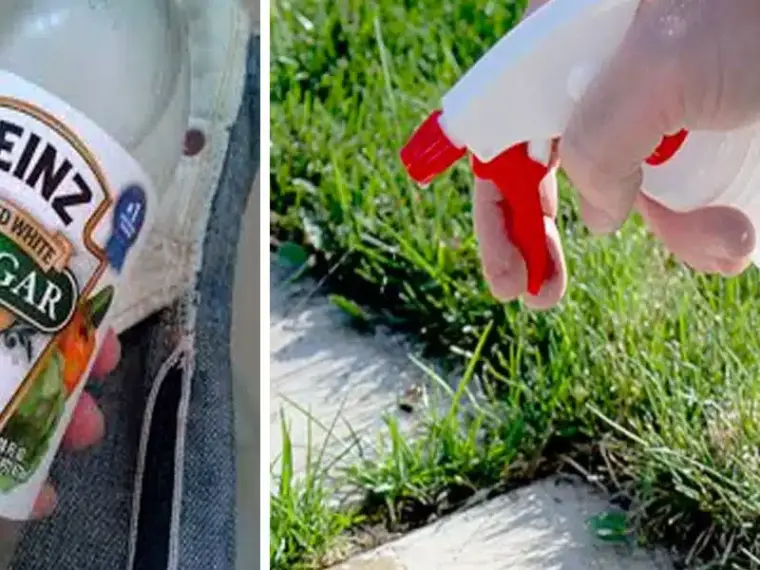
When it comes to garden care, many gardeners look for natural, eco-friendly alternatives to chemicals. One humble kitchen staple stands out as a surprisingly versatile tool: white vinegar.
Beyond its role in pickling or cleaning, white vinegar offers dozens of benefits in the garden, from weed control to pest deterrence, soil adjustments, and more.
Affordable, biodegradable, and widely available, it’s no wonder gardeners worldwide sing its praises.
Let’s explore why white vinegar is a gardener’s best friend and how you can put it to work in 11 clever ways to improve your gardening game.
What Makes White Vinegar So Useful?
White vinegar is essentially acetic acid diluted in water (typically around 5%). This mild acidity has powerful effects on plants, soil microbes, and pests.
Key properties:
- Acidity: Alters soil pH, burns weed foliage, deters some insects.
- Antimicrobial: Helps clean tools, seed trays, and garden surfaces.
- Non-toxic: Safe for pets and the environment when used correctly.
- Low cost: Affordable and accessible.
When used wisely, vinegar is a safe alternative to many synthetic garden chemicals.
A Word of Caution
Before we dive into its many uses, remember that vinegar’s acidity can damage desirable plants, especially in higher concentrations.
Always:
- Use vinegar with care around valuable plants.
- Test on small areas before large applications.
- Avoid overusing vinegar in the soil, which can lower pH excessively.
Used thoughtfully, vinegar is a powerful ally in sustainable gardening.
1. Natural Weed Killer
Perhaps the most famous garden use for white vinegar is as a natural weed killer. The acetic acid burns the plant foliage, causing rapid dehydration.
How to Use Vinegar for Weed Control:
- Fill a spray bottle with undiluted 5% white vinegar.
- Spray directly on weed leaves on a sunny, dry day.
- Avoid spraying on windy days to prevent drift onto desirable plants.
For stubborn weeds, some gardeners mix in a teaspoon of dish soap. The soap helps vinegar adhere to leaves longer for better penetration.
Vinegar works best on:
- Young, annual weeds
- Weeds growing in cracks of sidewalks or driveways
- Weeds in gravel paths
Note: Vinegar kills the top growth but may not reach deep perennial roots. For deep-rooted weeds, repeat applications may be necessary.
2. Clean and Disinfect Garden Tools
Garden tools can harbor bacteria, fungi, and pests. White vinegar is an excellent, natural disinfectant.
How to Clean Tools with Vinegar:
- Wipe tools with a cloth soaked in full-strength vinegar.
- For rusty tools, soak in vinegar overnight to loosen rust.
- Scrub with a wire brush and rinse thoroughly.
Regular cleaning prevents disease spread between plants and prolongs tool life.
3. Repel Ants Naturally
Ants often invade garden beds, especially near sweet fruiting plants. White vinegar disrupts their scent trails.
How to Repel Ants:
- Mix equal parts vinegar and water in a spray bottle.
- Spray along ant trails, entry points, and nest areas.
The scent dissipates quickly for humans but confuses ants and deters them from returning.
4. Clean Clay Pots
Terracotta pots often develop white mineral deposits from hard water and fertilizer salts. Vinegar dissolves these deposits easily.
How to Clean Pots:
- Soak pots in a solution of 1 part vinegar to 4 parts water for 30 minutes.
- Scrub gently with a brush.
- Rinse well and let dry before replanting.
Your clay pots will look like new, and your plants will appreciate the fresh start.
5. Deter Cats and Wildlife
Neighborhood cats love soft garden beds, but vinegar can help keep them out.
How to Use Vinegar as a Repellent:
- Soak rags or cotton balls in vinegar.
- Place them around garden edges or areas you want to protect.
The strong scent deters cats, rabbits, and some other small animals. Refresh every few days or after rain.
6. Balance Soil pH in Acid-Loving Plants
Certain plants like azaleas, rhododendrons, and blueberries thrive in acidic soil. If your soil is too alkaline, vinegar can temporarily lower the pH.
How to Acidify Soil:
- Mix 1 cup of white vinegar into a gallon of water.
- Water the soil around acid-loving plants.
Don’t overdo it – this is a temporary fix, not a permanent solution. Regular soil testing is essential to avoid harming your plants.
7. Extend Cut Flower Life
Adding vinegar to vase water helps keep bacteria at bay, extending the life of cut flowers.
Homemade Floral Preservative:
- Mix 2 tablespoons vinegar + 2 tablespoons sugar into 1 quart of water.
- Fill your vase with the solution before adding flowers.
The vinegar inhibits bacteria, while sugar feeds the flowers.
8. Kill Moss and Algae
Moss or algae on sidewalks, patios, or garden ornaments can be slippery and unsightly.
How to Remove Moss and Algae:
- Spray undiluted vinegar directly on the mossy or algae-covered surface.
- Let sit for 15–30 minutes.
- Scrub with a stiff brush and rinse.
Avoid using vinegar on lawns or desirable moss in shaded gardens—it’s non-selective and will kill anything it contacts.
9. Refresh Seed-Starting Equipment
Plastic seed trays, pots, and cell packs can harbor pathogens if reused year after year.
How to Clean Seed-Starting Supplies:
- Soak equipment in a 1:1 solution of vinegar and water for 15–30 minutes.
- Rinse thoroughly.
This kills bacteria, fungus spores, and mold, giving seedlings a healthy start.
10. Remove Rust from Garden Structures
Beyond tools, white vinegar can clean rusty gates, trellises, and metal garden art.
How to Use:
- Soak a cloth in vinegar and wrap around rusty areas.
- Let sit overnight.
- Scrub off rust with a brush or steel wool.
Vinegar dissolves rust without harsh chemicals, leaving metal surfaces clean and ready for repainting or sealing.
11. Clean Birdbaths and Garden Decor
Algae and mineral buildup quickly accumulate in birdbaths and garden ornaments. Vinegar safely cleans these surfaces without harming wildlife.
How to Clean a Birdbath:
- Empty birdbath water.
- Scrub surfaces with a mixture of equal parts vinegar and water.
- Rinse thoroughly several times before refilling.
Regular cleaning keeps water safe for birds and prevents disease spread.
Additional Vinegar Uses in the Garden
Beyond the top 11, gardeners have discovered even more clever uses for white vinegar:
- Removing hard water stains from watering cans
- Cleaning greenhouse glass for better light transmission
- Deodorizing compost bins
- Repelling insects like fruit flies around fruiting plants
Environmental Benefits of Using Vinegar
Choosing vinegar over synthetic chemicals benefits your garden and the planet:
- Biodegradable and eco-friendly
- Safe around pets and wildlife when used correctly
- Reduces reliance on harsh chemical herbicides
- Affordable and multi-purpose
While vinegar is not a perfect replacement for all garden chemicals, it’s a valuable tool in any organic gardener’s arsenal.
When NOT to Use Vinegar
Vinegar has limitations:
- It’s non-selective and can harm desirable plants.
- It only burns the tops of weeds – not roots – so perennials may regrow.
- Overuse can acidify soil excessively, harming beneficial microbes.
Always use vinegar cautiously and strategically to avoid unintended damage.
White vinegar is one of the most cost-effective and versatile natural tools any gardener can have. From weed control to cleaning, soil treatment, and pest management, it truly is a gardener’s best friend.
When used wisely, vinegar allows you to maintain a beautiful, thriving garden with fewer harsh chemicals. The result? A safer, healthier space for you, your plants, and the wildlife you share your garden with.