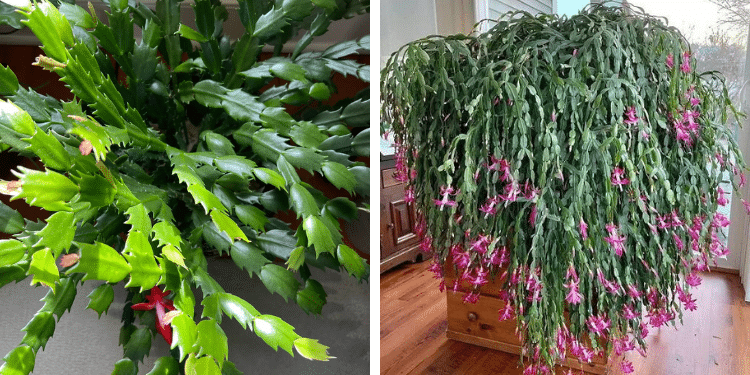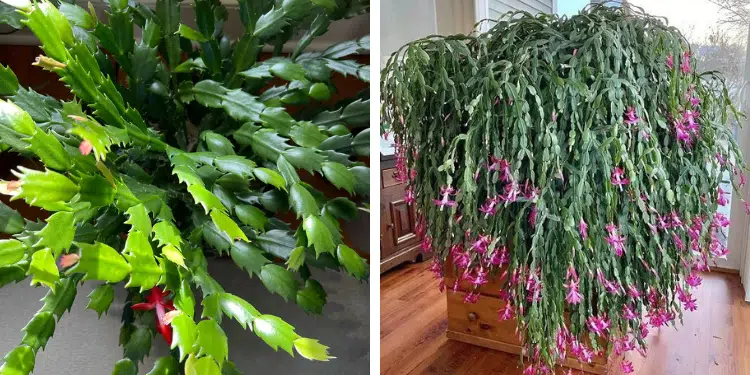
The Christmas cactus (Schlumbergera) is one of the most beloved holiday plants – famous for its long, arching stems and brightly colored blooms that appear right when winter begins.
But for many plant owners, getting a Christmas cactus to bloom at the right time can feel like a mystery.
The secret lies in seasonal timing, and November is one of the most important months for shaping flower production and overall growth.
While most plants slow down in late fall, the Christmas cactus is just getting ready for its big show.
November is the final stage of the pre-bloom cycle, making it the perfect time to help your plant form strong buds, deepen its color, and prepare for a beautiful December display.
1. Control Light Exposure – Short Days Trigger Blooming
Christmas cacti are photoperiod-sensitive, meaning they rely on day length to know when to bloom. In nature, they form buds when days grow shorter in late fall.
To encourage blooming in November, your plant needs:
At least 12–14 hours of darkness
This long-night cycle signals the plant to produce flower buds.
Only 8–12 hours of light daily
Place the cactus in a spot with soft, indirect natural light.
No artificial light at night
Street lights, lamps, or TV screens can interrupt the darkness cycle and prevent blooming.
If your cactus struggles with bud formation, move it to a darker location in the evening or place a breathable box over it at night (but remove it in the morning).
This controlled light routine is one of the most important bloom triggers in November.
2. Keep Temperatures Cool – The Secret to Big Blooms
Short day length is only half the equation; temperature plays an equally important role.
Christmas cacti form buds best when kept at:
- Around 50–60°F (10–15°C) at night
- No more than 65–70°F (18–21°C) during the day
Cooler temperatures signal the plant that the holiday season is near – activating the blooming cycle.
If your home is warm, consider keeping your cactus in:
- A spare room
- A bright but cool windowsill
- A covered porch (as long as it doesn’t freeze)
- An unheated sunroom
Cooler temperatures + shorter days = maximum bloom production.
3. Reduce Watering – Prevent Bud Drop and Root Stress
In November, your Christmas cactus enters a pre-blooming phase, which requires slightly drier soil conditions. Too much water can cause:
- Bud drop
- Root rot
- Limp stems
- Delayed flowering
Follow this watering routine:
Water only when the top 1–2 inches of soil feel dry.
This usually means watering every 10–14 days, depending on your home’s humidity.
Use room-temperature water.
Cold water shocks the plant, while warm water may stress the roots.
Ensure drainage is perfect.
Never let water sit in a saucer – Christmas cacti are not true cacti, but they do not like soggy soil.
Less water now = more flowers later.
4. Stop Fertilizing – It’s Resting Before the Show
November is not the time to feed your Christmas cactus. Fertilizer encourages leaf growth, not bloom formation – which can confuse the plant and disrupt its natural cycle.
Pause all feeding until late January or February.
If you’ve been feeding regularly throughout the year, your plant already has the nutrients it needs. Let it rest and focus on flowering instead of growing more segments.
5. Avoid Moving the Plant – Buds Are Extremely Sensitive
Once your cactus begins forming flower buds in November, treat it gently – this is its most fragile stage.
Bud drop is one of the most common problems Christmas cactus owners face, and the biggest culprit is moving the plant.
Avoid:
- Rotating the pot
- Switching rooms
- Changing lighting conditions
- Moving it after buds appear
- Drafts, heaters, or cold drafts from doors
Christmas cactus buds adapt to one environment. Changing that environment causes stress, and stressed buds fall off.
Pick a location in early November and leave the plant there until blooming is done.
6. Boost Humidity – This Plant Loves Moist Air
Unlike desert cacti, Christmas cacti are tropical epiphytes, meaning they naturally grow in humid forests. November air indoors is often dry due to heating, which can stress the plant and dry out its buds.
Increase humidity by:
- Placing a tray of water near the plant
- Using a humidifier
- Grouping it with other plants
- Lightly misting the air around (not directly on buds)
Humidity between 40–60% helps the plant stay hydrated and encourages fuller blooms.
Dry air = weak buds
Humid air = abundant flowering
7. Check for Pests or Diseases Before Blooming Begins
A healthy Christmas cactus blooms best, so November is the perfect time to inspect for:
- Mealybugs (cotton-like clusters)
- Spider mites (fine webs)
- Fungus gnats
- Root rot signs
- Scale insects
If you spot any issues, treat them immediately with:
- Neem oil
- Insecticidal soap
- A wipe-down with diluted alcohol (for mealybugs)
- Removing mushy or rotting roots if repotting is needed
Treating problems early ensures nothing disrupts the upcoming flowering cycle.
Extra November Tips for Better Results
Use proper soil
A fast-draining mix like cactus soil blended with peat or orchid bark is ideal.
Prune only BEFORE October
Never prune in November – this removes segments where buds form.
Keep it away from heat vents
Heated air dries buds quickly.
Do not overpot
Christmas cacti bloom better when slightly root-bound.
Let it experience nighttime darkness naturally
If possible, rely more on natural day length than timers or artificial schedules.
What You Should Expect in November
During November, your Christmas cactus should:
- Grow small, pointed flower buds at the ends of segments
- Develop deeper green stems
- Increase in firmness and plumpness
- Show slower leaf growth but more bud activity
By early December, buds enlarge and color intensifies, preparing for the main blooming period.
Why November Care Makes or Breaks Your Christmas Blooms
The Christmas cactus has a very specific blooming cycle:
- September–October: Bud formation begins
- November: Bud development intensifies
- December: Blooming season
- January–February: Resting and recovery
- March–August: Active growth
November sits right in the middle – meaning it is the final turning point where your efforts directly affect bloom count and flower size.
If November conditions are ideal, the plant rewards you with:
- More flowers
- Brighter color
- Stronger buds
- Longer bloom time
- A healthier, fuller plant overall
If conditions are off, buds may drop or fail to form.
Caring for a Christmas cactus in November is all about replicating its natural seasonal cues: shorter days, cooler nights, moderate water, and stable conditions.
These gentle adjustments trigger the plant’s blooming instincts and help it produce more vibrant, abundant flowers just in time for the holiday season.