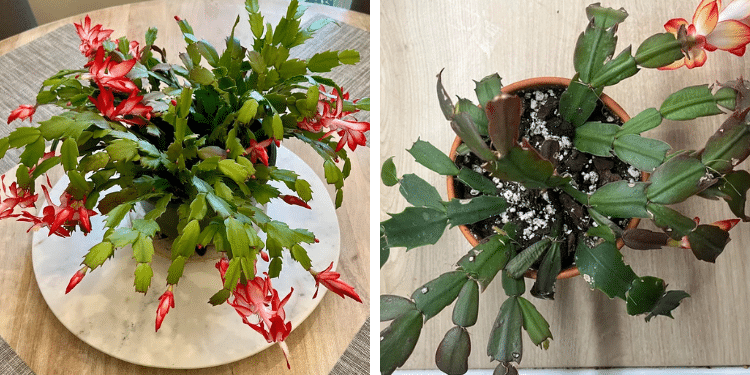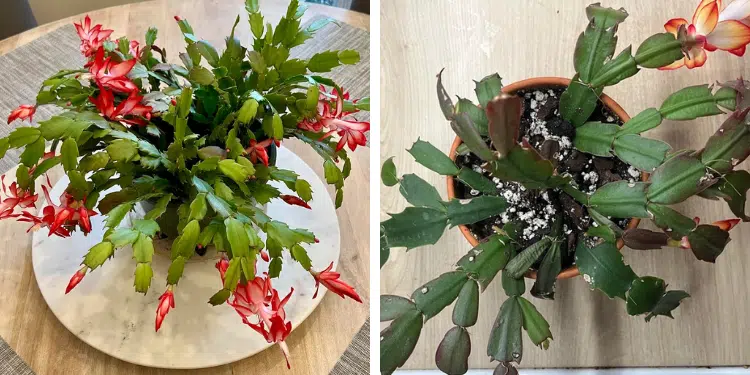
The Thanksgiving cactus (Schlumbergera truncata) is one of the most popular holiday houseplants, known for its striking winter flowers that appear in late November and early December.
After weeks of buds and bright blooms, many owners are left wondering: What happens next?
December is a crucial transition month for the Thanksgiving cactus. Once the flowers fade, the plant enters a gentle recovery period – a phase that determines how well it grows, rests, and prepares for future blooming cycles.
What you do right after blooming has a major impact on next year’s flower production.
If you want your Thanksgiving cactus to remain healthy, lush, and capable of blooming again next season, these are the seven essential tasks to follow every December.
Why Post-Bloom Care Matters
The Thanksgiving cactus spends enormous energy producing buds and flowers. By December, the plant is often exhausted, dehydrated, and in need of recovery. Proper care now helps:
- rebuild energy reserves
- stimulate new cladode (leaf segment) growth
- prevent stem shriveling
- protect roots during winter dormancy
- set the stage for reblooming next fall
Think of December care as “resetting” the plant for the next growth cycle.
1. Remove Spent Flowers – But Don’t Prune Yet
After the blooms fade and wilt, gently pinch them off. This prevents rot, pest attraction, and unnecessary energy loss.
However – do not prune the plant in December. The Thanksgiving cactus is entering a semi-resting phase, and pruning now can stress it.
Why flower removal matters:
- prevents the plant from wasting energy on dying blooms
- keeps stems clean and dry
- reduces fungal risk
- encourages the plant to heal faster
Save major pruning for late winter or early spring.
2. Reduce Watering Significantly
One of the biggest mistakes people make after their cactus blooms is continuing to water it like they did during bud formation.
Once flowering ends, the plant naturally slows its metabolism.
In December:
- water only when the top 1–2 inches of soil feel dry
- avoid letting the plant sit in soggy soil
- reduce watering frequency by 30–50%
Overwatering during winter is the #1 cause of root rot in holiday cacti.
Signs you’re watering correctly:
- segments remain firm
- soil feels lightly moist, never saturated
- the pot dries out gradually over 7–14 days
The plant should rest – not grow – during this time.
3. Give the Plant a Cool, Bright Resting Spot
After blooming, the Thanksgiving cactus prefers a cooler environment with plenty of gentle light.
This mimics its natural habitat in Brazilian cloud forests, where temperatures drop slightly after the flowering season.
Ideal December conditions:
- Temperature: 55–65°F (12–18°C)
- Light: bright, indirect sunlight
- Avoid: direct afternoon sun, drafts, or heat vents
Cool temperatures help the plant recover without forcing new growth prematurely.
4. Do Not Fertilize Until Late Winter
Many gardeners instinctively reach for fertilizer after blooming, but feeding too early can shock the plant.
Why you shouldn’t fertilize in December:
- the cactus is entering a rest period
- roots cannot process nutrients properly in cold soil
- fertilizing early can cause weak, leggy growth
Resume fertilizing in late February or March, once the plant shows new leaf segment growth.
5. Check the Soil and Roots – But Don’t Repot Yet
December is a good time to gently inspect your plant’s condition, especially if:
- the soil smells musty
- roots appear at the drainage holes
- the plant dried out rapidly during blooming
However, do not repot the plant in December unless it’s an emergency. Repotting in winter can disrupt its resting cycle.
Ideal repotting time:
Late spring or early summer, when the plant is actively growing.
For now, simply check for signs of:
- compacted soil
- fungus gnats
- mushy stems (a sign of overwatering)
- overly tight roots
Address issues without disturbing the root system if possible.
6. Provide Humidity – But Avoid Mist Directly on Segments
November and December heating systems dry out indoor air quickly. Thanksgiving cacti naturally grow in humid forest canopies, so dry air can cause segment shriveling.
Increase humidity by:
- using a pebble tray with water
- placing a humidifier nearby
- grouping plants together
Avoid misting directly on stems, since moisture sitting on segments can cause fungal spotting during the cooler season.
7. Let the Plant Rest for 6–8 Weeks
The most important step: allow your Thanksgiving cactus to rest.
After blooming, the plant requires a calm period to regain strength. For 6–8 weeks:
- keep watering minimal
- maintain cool temperatures
- avoid moving or disturbing the plant
- allow it to “sleep” naturally
This rest phase is crucial because it helps the plant:
- rebuild carbohydrate reserves
- strengthen roots
- prepare for next year’s bud set
- stay healthy and compact
A well-rested cactus is far more likely to bloom abundantly the following fall.
Bonus: When Will the Thanksgiving Cactus Grow Again?
After its rest period, usually by late January or February, you’ll notice:
- new segment growth
- plump, firm stems
- brighter green coloration
- stronger branching
This is your signal to:
- resume normal watering
- start fertilizing
- move the plant to a warmer, brighter location
- consider pruning or propagating
This early-spring growth is vital for forming new segments that will eventually produce buds next autumn.
How to Encourage More Flowers Next Year
If you want your Thanksgiving cactus to produce an even bigger display next holiday season, follow these reblooming tips:
1. Give it shorter days in early fall
12–14 hours of darkness daily triggers bud formation.
2. Keep it cool in September and October
Temperatures between 55–60°F help stimulate blooms.
3. Avoid sudden movement during budding
Turning or relocating the plant can cause buds to drop.
4. Increase humidity and water slightly more during bud formation
This keeps buds hydrated so they don’t dry out.
5. Fertilize every 2–4 weeks from spring through late summer
This supports strong new segment growth – essential for flower development.
The Thanksgiving cactus is a resilient, long-lived plant that rewards the right post-bloom care with healthier growth and a spectacular show the following year.