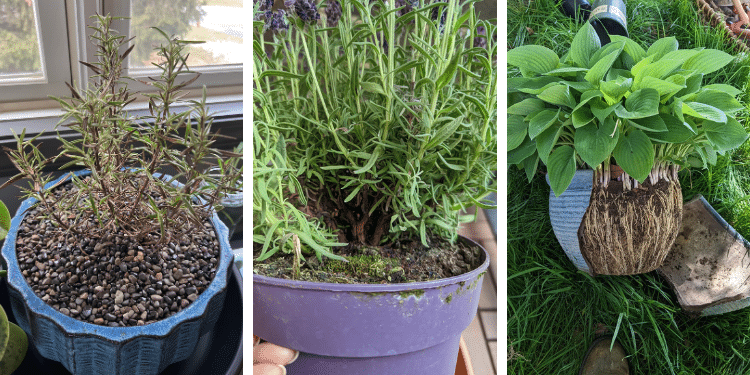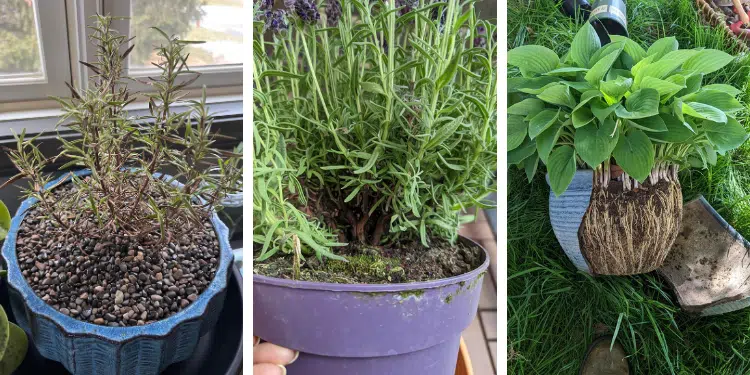
Container gardening brings beauty and life to patios, porches, balconies, and indoor spaces – but even potted plants need seasonal care.
As winter approaches, many container plants naturally slow their growth, entering a resting period to conserve energy.
December is one of the most important months to prune and cut back specific plants, helping them stay healthy through winter and return stronger in spring.
Cutting back container plants at the right time prevents disease, improves air circulation, stops pests from overwintering, and encourages fresh new growth when warmer weather arrives.
While not every potted plant needs winter pruning, several popular varieties benefit greatly from a good December trim.
Here are 9 container plants you should cut back in December, why pruning matters, and how to do it safely without harming the plant.
1. Geraniums (Pelargoniums)
Geraniums often continue blooming into late autumn, but by December, they are ready for a rest. Cutting them back helps redirect energy from old growth into healthy, compact spring growth.
Why cut back: Geraniums grow leggy in low winter light. Pruning prevents weak stems and encourages tight, lush growth in spring.
How much to prune: Cut back by one-third, removing dead or woody stems and any remaining flowers.
2. Fuchsias
Fuchsias grown in containers become dormant in winter, especially if kept in cool spaces. Without pruning, they carry old stems that invite fungal issues.
Why cut back: Trimming helps the plant focus on root strength and reduces the risk of rot.
How much to prune: Remove all dead stems and cut the plant back to 4–6 inches above the soil.
3. Mint (All Varieties)
Indoor or outdoor container mint becomes woody and unattractive in winter. Pruning helps maintain fresh, flavorful growth.
Why cut back: Mint spreads aggressively. Cutting back prevents overcrowding and keeps the plant compact.
How much to prune: Snip stems down to 1–2 inches above the soil, leaving a few healthy shoots to regenerate.
4. Lavender (Container-Grown English or French Lavender)
While lavender should not be pruned heavily in cold climates during autumn, light winter shaping is beneficial for potted plants kept in sheltered areas.
Why cut back: Lavender gets leggy in containers. Light pruning helps preserve shape and improves airflow.
How much to prune: Remove spent flower stems and trim 1–2 inches of soft, scraggly growth – never cut into old woody parts.
5. Rosemary (Container Rosemary Bushes)
Rosemary slows down significantly in winter and benefits from light pruning to maintain shape and prevent woody, unproductive stems.
Why cut back: Trimming rosemary encourages fresh aromatic growth in spring and prevents the plant from becoming too woody.
How much to prune: Remove dead tips and lightly shape the plant, trimming no more than one-fourth of total growth.
6. Sage (Potted Culinary Sage)
Sage becomes woody with age, and winter pruning helps revive new spring shoots. Container-grown sage tends to suffer more from leggy growth than garden sage.
Why cut back: Promotes fuller, more productive growth and reduces disease risk.
How much to prune: Cut stems back by one-third, focusing on removing dead or brittle sections.
7. Ornamental Grasses (Dwarf Varieties in Pots)
Although many gardeners wait until early spring to prune grasses, container-grown grasses benefit from a December trim – especially in climates with wet winters.
Why cut back: Old grass blades hold moisture, inviting mold and rot in containers.
How much to prune: Cut the grass down to 4–6 inches above the soil line.
8. Hostas (Container Hostas)
Hostas die back naturally in winter, and container-grown ones need trimming to prevent pests from overwintering in dead foliage.
Why cut back: Removes decaying leaves that harbor slugs, fungal spores, and insects.
How much to prune: Cut all foliage to ground level once it has fully yellowed and wilted.
9. Chrysanthemums (Potted Mums)
After blooming, mums enter dormancy. Cutting them back in December prepares them for strong regrowth in spring.
Why cut back: Pruning prevents the plant from wasting energy on dead stems and reduces disease risk.
How much to prune: Cut stems down to 2–3 inches above the soil.
How to Prune Container Plants in December: Best Practices
Pruning in winter requires gentleness and timing. These general guidelines apply to most potted plants that benefit from a December trim.
Use clean, sharp tools
Dirty blades transfer disease. Clean shears before and after pruning.
Avoid heavy pruning of tender plants
Tropical container plants like basil, pothos, or ferns should not be pruned heavily in winter.
Focus on dead, damaged, or diseased growth
Removing weak stems helps the plant conserve energy during dormancy.
Prune on a dry day
Wet stems are more prone to fungal infection.
Do not fertilize immediately after pruning
Most plants rest in winter and should not be pushed to grow.
Protect freshly trimmed plants from cold drafts
Pruning makes plants more sensitive to temperature changes.
Why December Pruning Helps Container Plants Thrive in Spring
Container plants experience more stress than in-ground plants because they have limited soil volume and less insulation. December pruning helps them:
- reduce energy use during dormancy
- prevent pests from hiding in dead foliage
- improve airflow and reduce fungal problems
- grow stronger, thicker stems in spring
- maintain a neat, manageable shape
This small winter task can dramatically improve your plant’s health for the next growing season.
December is a crucial month for maintaining healthy, vibrant container plants.
By cutting back geraniums, sages, mints, fuchsias, lavender, and other container favorites, you prepare them for a restful winter and a vigorous, beautiful spring comeback.