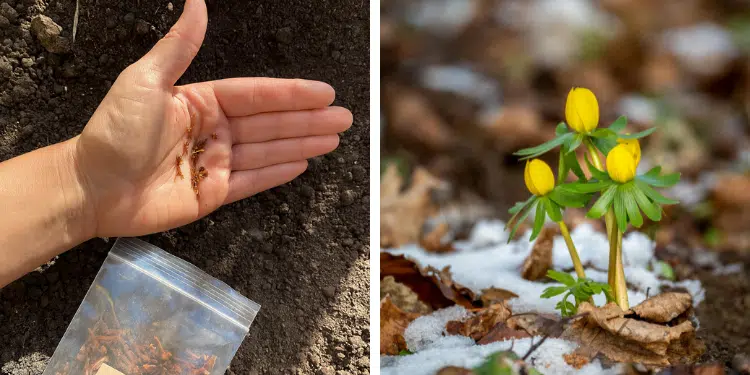
Winter may seem like the quietest time in the garden, but for many wildflowers, December is actually the perfect month to plant.
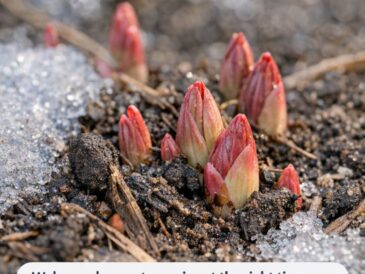
Cold temperatures, frost, and snow help wildflower seeds break dormancy – a natural process known as stratification.
In nature, these seeds fall to the ground in autumn, sit through winter, and sprout when spring warmth arrives.
Planting them in December mimics the wild cycle and often results in stronger, taller, more resilient blooms.
Whether you are building a pollinator patch, replacing part of your lawn with wildflowers, or filling a meadow with color, winter sowing is one of the easiest and most effective methods.
December planting requires no special tools, no greenhouse, and very little maintenance. You simply scatter the seeds, let winter do the work, and wait for spring magic.
Here are 15 wildflower seeds you can plant in December for a vibrant, pollinator-friendly garden next year.
1. Black-Eyed Susan (Rudbeckia hirta)
Black-eyed Susans thrive when exposed to winter cold. Planting them in December helps their hard outer seed coat soften so they can sprout vigorously in spring.
These cheerful yellow flowers attract bees, butterflies, and beneficial insects all summer long.
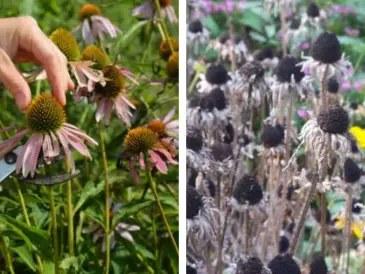
2. Purple Coneflower (Echinacea purpurea)
Purple coneflower seeds require a chilling period, making winter sowing ideal. December planting helps ensure strong, early sprouts come spring.
Echinacea adds structure, long-lasting blooms, and essential nectar for pollinators.
3. California Poppy (Eschscholzia californica)
California poppies love cool weather and often reseed naturally in winter. When sown in December, they germinate at the first hint of spring warmth.
Their vivid orange petals brighten any landscape and thrive even in poor soil.
4. Lupine (Lupinus spp.)
Lupine seeds are notoriously hard and benefit greatly from exposure to freezing temperatures. Planting them in December softens the seed coat naturally.
By spring, they sprout tall spires of purple, blue, or pink flowers that attract bees and fix nitrogen in the soil.
5. Blue Flax (Linum lewisii)
Blue flax is a hardy perennial wildflower that prefers winter sowing. December planting helps it root deeply and bloom earlier.
Its delicate sky-blue flowers sway beautifully in the breeze and thrive in rocky or sandy soil.
6. Shasta Daisy (Leucanthemum × superbum)
Shasta daisies appreciate a winter chill before germination. Planting them in December primes the seeds for strong growth.
Their white petals and sunny centers return year after year, filling the garden with cheerful brightness.
7. Milkweed (Asclepias spp.)
Milkweed is essential for monarch butterflies, and its seeds require cold stratification to germinate well. December is the perfect month to sow them directly outdoors.
By spring, you’ll have healthy sprouts ready to support caterpillars and pollinators.
8. Cornflower / Bachelor’s Button (Centaurea cyanus)
Cornflowers are cold-tolerant annuals that sprout beautifully after winter sowing. December planting ensures thick spring growth and continuous blooms through early summer.
Their electric-blue petals attract bees and make excellent cut flowers.
9. Yarrow (Achillea millefolium)
Yarrow seeds germinate best after exposure to freezing temperatures. December sowing helps produce tall, sturdy plants with clusters of tiny blooms.
Yarrow is drought-tolerant, medicinal, and wonderful for attracting beneficial insects.
10. Blanket Flower (Gaillardia)
Blanket flower seeds respond well to winter moisture and cold. Planting them in December jumpstarts their germination for earlier summer blooms.
Their fiery red and yellow petals thrive in heat, poor soil, and pollinator gardens.
11. Coreopsis (Coreopsis lanceolata)
Coreopsis seeds are naturally scattered by wind in fall and survive winter on the soil surface. Sowing them in December mimics this pattern and results in abundant spring germination.
These sunshine-yellow blooms are heat-tolerant and long-lasting.
12. Bee Balm (Monarda)
Bee balm seeds benefit from natural cold stratification. December planting helps them sprout more densely and vigorously.
This fragrant, nectar-rich plant attracts bees, hummingbirds, and butterflies while adding height and color to the garden.
13. Wild Bergamot (Monarda fistulosa)
Wild bergamot, a close relative of bee balm, thrives when planted in winter. Its seeds need light to germinate, so sowing them on the soil surface in December is ideal.
The lavender blooms and minty fragrance make it a pollinator favorite.
14. Evening Primrose (Oenothera biennis)
Evening primrose seeds naturally overwinter outdoors. Sowing them in December allows nature to prime them for spring.
They bloom with soft yellow flowers that open at dusk, feeding nighttime pollinators such as moths.
15. Goldenrod (Solidago spp.)
Goldenrod thrives in wild meadows and germinates best after cold exposure. Planting it in December ensures early root development and strong summer blooms.
Its golden clusters are important late-season food sources for bees and butterflies.
How to Plant Wildflower Seeds in December
Winter sowing is exceptionally simple. Most wildflowers prefer to be planted on the soil surface without being buried deeply.
Here’s a straightforward method:
- Choose a location with full sun or partial sun.
- Loosen the soil lightly if needed, but avoid heavy digging.
- Scatter seeds evenly across the surface.
- Press them gently so they make contact with the soil.
- Leave them uncovered or cover lightly with a dusting of soil or mulch if the wind is strong.
- Let winter snow, frost, and rain do the watering.
By spring, the seeds naturally germinate as the weather warms.
Why December Is the Perfect Month for Wildflower Sowing
Many wildflower seeds rely on winter to trigger germination. The cycles of freezing and thawing break down the seed casing, while moisture softens the inside, preparing the seed to sprout.
December planting offers:
- natural cold stratification
- protection from early-fall rodents or birds
- less competition from weeds
- early spring sprouts
- stronger, hardier plants
This method closely follows nature’s blueprint, giving your wildflowers the highest chance of success.
Planting wildflowers in December is one of the simplest ways to create a vibrant spring and summer garden filled with color, fragrance, and pollinator activity.