Gardening is a delightful hobby that brings us closer to nature, but it can sometimes feel like a constant battle against the elements. Whether you’re faced with scorching heat or unexpected droughts, maintaining the perfect balance of moisture in your garden can be a daunting task. Thankfully, gardeners worldwide have discovered some unusual but effective watering shortcuts that promise to simplify your gardening routine while keeping your plants healthy and thriving.
In this article, we’ll explore 11 of these odd watering hacks that gardeners claim change everything. From everyday household items to creative uses of organic materials, these tips can provide your plants with the moisture and nutrients they need, often with surprising efficiency. Let’s dive into these innovative gardening solutions and see how they can transform your garden.
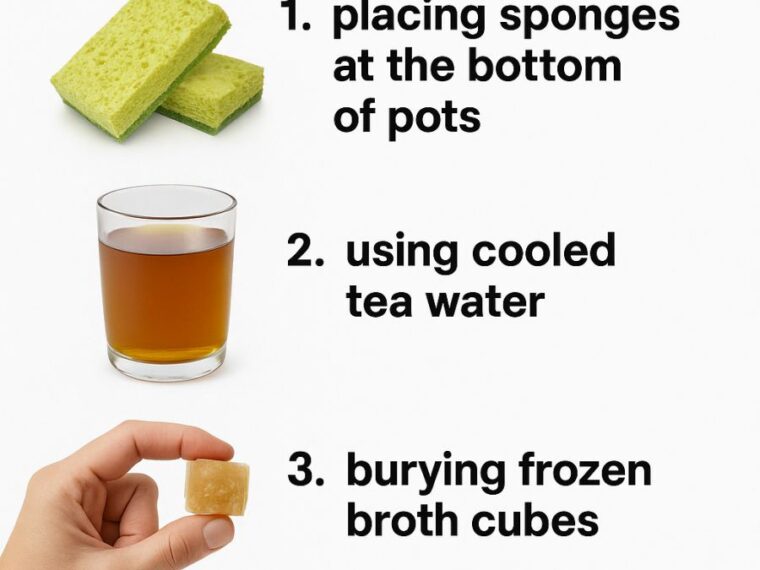
1. The Sponge Trick: Retaining Moisture in Potted Plants
The sponge trick is a popular method for gardeners looking to retain moisture in their potted plants. By placing a clean, unused sponge at the bottom of your plant pots, you create an additional reservoir that holds excess water and gradually releases it as the soil dries. This technique is particularly beneficial for plants that require consistent moisture but are prone to overwatering.
To implement this trick, select a sponge that fits snugly at the base of your pot. Ensure that the sponge is free of any chemicals or detergents, as these can harm your plants. When you water your plants, the sponge will absorb the excess water, preventing root rot and promoting healthier root growth. This simple yet effective method can make a significant difference, especially for indoor plants that thrive in humid conditions.
2. Tea Time: Using Cooled Tea Water for Nutrient Boost
Tea isn’t just a comforting beverage; it can also serve as a fantastic nutrient boost for your plants. After brewing your tea, allow the leftover tea water to cool before using it to water your plants. The tannins and nutrients in the tea can enrich the soil and promote healthier plant growth.
For best results, use weak tea water, such as the second or third infusion of a tea bag, to avoid overwhelming your plants with too much acidity. This method is particularly beneficial for acid-loving plants like roses, ferns, and tomatoes. Just remember to avoid using tea with added sugars or artificial flavors, as these can attract pests and harm your plants.
3. Frozen Broth Cubes: An Unconventional Fertilizer
Repurposing leftover vegetable broth as a fertilizer might sound unusual, but it’s a clever way to provide your plants with extra nutrients. To create frozen broth cubes, simply pour your cooled, unsalted vegetable broth into an ice cube tray and freeze. Once frozen, you can place these cubes directly into the soil around your plants.
As the cubes melt, they release a slow and steady supply of nutrients into the soil, benefiting your plants over time. This method works well for outdoor gardens and larger pots, where the gradual melting won’t lead to waterlogging. Always ensure the broth is unsalted, as excess salt can damage plant roots.
4. Clay Beads for Better Drainage and Aeration
Clay beads, also known as expanded clay pellets, are an excellent option for gardeners looking to improve soil drainage and aeration. These small, lightweight pellets can be mixed into the soil or used as a top layer to enhance water retention and prevent soil compaction.
Clay beads are particularly beneficial for potted plants, where proper drainage is crucial to prevent root rot. By incorporating a layer of clay beads at the bottom of your pots, you create an airflow that keeps roots healthy and encourages growth. Additionally, these beads can reduce the frequency of watering by maintaining a balanced moisture level in the soil.
5. The Wine Bottle Method: Self-Watering System
The wine bottle method is a simple yet effective self-watering system that uses a recycled wine bottle to keep your plants hydrated. After thoroughly cleaning and removing the label from a wine bottle, fill it with water and quickly invert it into the soil of your potted plant.
The principle is that as the soil dries, it will naturally draw water from the bottle, maintaining a consistent moisture level. This method is ideal for gardeners who travel frequently or have busy schedules, as it can keep plants watered for several days. Ensure the neck of the bottle is submerged a few inches into the soil for optimal results.
6. Diaper Magic: Moisture Retention for Large Pots
Using diapers to retain moisture in large pots might sound strange, but the absorbent material in diapers can work wonders for keeping plants hydrated. By placing an unused diaper at the bottom of a pot, you create a barrier that retains water and slowly releases it to the plant’s roots.
This method is particularly useful for large outdoor containers that tend to dry out quickly. The diaper’s absorbent gel material can hold a significant amount of water, reducing the frequency of watering and ensuring your plants receive a steady supply of moisture. Be sure to use plain, unscented diapers to avoid introducing any harmful chemicals to your plants.
7. Epsom Salt Solution: Enhancing Plant Growth
Epsom salt, composed of magnesium sulfate, is a popular supplement for enhancing plant growth. By dissolving 1 tablespoon of Epsom salt in a gallon of water, you can create a nutrient-rich solution to water your plants.
This technique is particularly beneficial for magnesium-hungry plants like tomatoes, peppers, and roses. The additional magnesium and sulfur can improve photosynthesis, enhance nutrient uptake, and promote lush, green foliage. Use the solution once a month to avoid over-fertilizing, and always water the soil directly rather than spraying the leaves.
8. The Banana Peel Soak: A Natural Fertilizer
Banana peels are rich in potassium, phosphorus, and calcium, making them an excellent natural fertilizer for your plants. To create a banana peel soak, cut up banana peels and place them in a jar filled with water. Allow the mixture to sit for a few days, stirring occasionally.
Once the nutrients have leached into the water, strain out the peels and use the liquid to water your plants. This natural fertilizer can boost flowering and fruiting, especially in plants like tomatoes and peppers. You can apply the banana peel soak every few weeks to maintain healthy growth.
9. Compost Tea: Brewing a Nutrient-Rich Elixir
Compost tea is a liquid fertilizer made by steeping compost in water, resulting in a nutrient-rich elixir that can boost plant health. To make compost tea, fill a large container with water and add a few shovelfuls of well-aged compost. Allow the mixture to steep for several days, stirring occasionally.
Once brewed, strain the liquid and use it to water your plants. Compost tea provides a balanced array of nutrients and beneficial microorganisms that can enhance soil fertility and plant growth. Apply it every few weeks to give your garden a natural and sustainable nutrient boost.
10. Coffee Grounds: Acidic Boost for Acid-Loving Plants
Coffee grounds are a fantastic way to provide an acidic boost to plants that thrive in lower pH levels, such as azaleas, blueberries, and hydrangeas. After brewing your coffee, allow the grounds to cool and sprinkle them directly onto the soil around your plants.
The organic matter in coffee grounds also improves soil structure and attracts beneficial earthworms. However, moderation is key, as too much acidity can harm plants. Aim to apply a thin layer of coffee grounds every few weeks to maintain a healthy balance.
11. Aquarium Water: A Fishy Fertilizer Alternative
Aquarium water, rich in fish waste and nutrients, serves as an excellent fertilizer for your plants. When you clean your fish tank, save the old water and use it to irrigate your garden. The nitrogen and other nutrients in the water can enhance plant growth and improve soil fertility
This method is an eco-friendly way to recycle aquarium water while nourishing your plants. It’s particularly effective for leafy greens and houseplants. Just be sure to use freshwater aquarium water, as saltwater can damage most terrestrial plants.