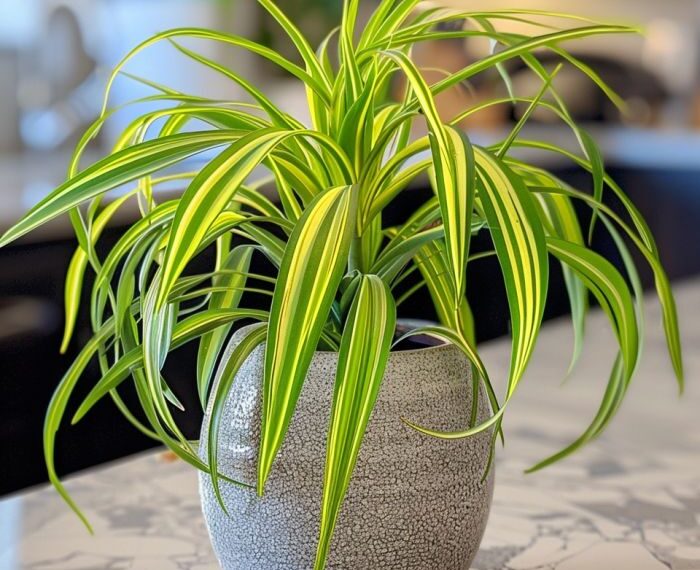
Spider plants are beloved by many for their easy care and attractive appearance. Their arching leaves and air-purifying qualities make them a popular choice for both novice and experienced gardeners. However, while spider plants are typically low-maintenance, they thrive when given a bit of extra care. Ensuring your spider plant is bushy and healthy not only adds to its aesthetic appeal but also improves its vital functions.
For those looking to elevate the appearance and health of their spider plant, the following tips offer actionable advice that any plant parent can implement. These techniques will help you understand and meet the specific needs of your spider plant, leading to a more vibrant and flourishing green companion.
Advertisement
1. Provide Adequate Lighting:
Spider plants thrive in bright, indirect light. While they can tolerate lower light conditions, their growth rate may slow, and they may not produce as many offshoots. Place your spider plant near a window with filtered sunlight or in a well-lit room to encourage robust growth.
2. Water Consistently:
Maintaining a balanced watering schedule is crucial for spider plants. Overwatering can lead to root rot, while underwatering will cause the leaves to brown and curl. Water your plant when the top inch of soil feels dry to the touch, ensuring proper drainage to prevent water stagnation.
3. Feed with Balanced Fertilizer:
Spider plants benefit from regular feeding during their growing season, typically from spring to early autumn. Use a balanced, water-soluble fertilizer every two to four weeks to provide essential nutrients. Over-fertilization can scorch the leaves, so it’s important to follow the recommended dosage.
4. Prune Regularly:
Pruning helps to remove dead or damaged leaves and encourages new growth. Trim any browning tips or yellowing leaves with clean, sharp scissors. Regular pruning will help maintain a bushier appearance and promote healthier growth.
5. Re-pot When Necessary:
Spider plants can become root-bound, which stunts their growth. Check the roots periodically, and if they appear crowded or are growing out of the drainage holes, it’s time to re-pot. Choose a slightly larger pot with fresh soil to give the roots more room to grow.
6. Propagate Offshoots:
Spider plants produce baby shoots, or “spiderettes,” which can be propagated to create new plants. Snip the spiderettes from the main plant and root them in water or directly in potting soil. This not only helps in maintaining a bushy parent plant but also allows you to propagate new plants.https://sfglobe.com/xframe.php#acov=%255B%2522sfg%2522%252C%252282190%2522%252C%2522src%253Dfbfan_82190%2522%252C%2522d_abovepromo%2522%252C1764322988%252C%25223%2522%255D&u=https%3A%2F%2Fdiyeverywhere.com%2F2024%2F07%2F23%2F7-tips-to-make-your-spider-plant-bushier-and-healthier%2F%3Fsrc%3Dfbfan_82190%26t%3Dfbsub_gardeningtips_xp&h=https%3A%2F%2Fdiyeverywhere.com
Advertisement
7. Maintain Optimal Humidity and Temperature:
Spider plants prefer a moderate to high humidity level and temperatures between 65-75°F (18-24°C). Consider using a humidity tray or misting the plant occasionally. Avoid placing your spider plant near drafts or heating vents, which can cause stress and inhibit growth.