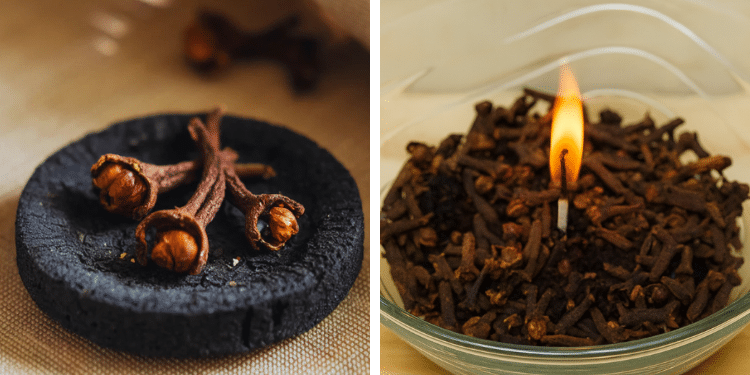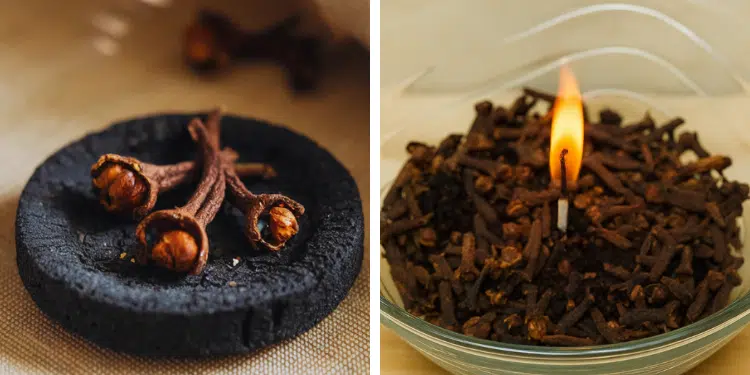
For centuries, people around the world have burned cloves to cleanse the air, protect the home from illness, and create a cleaner environment.
Long before modern disinfectants existed, clove smoke was used in kitchens, sickrooms, temples, and households as a way to reduce germs and freshen the air. Many families still practice this old remedy today, especially during cold and flu season.
But why does burning cloves seem to make the room feel cleaner? Why does the smoke smell sharper and more “antiseptic” than other herbs? And is there real science behind this traditional practice?
Surprisingly, yes. Cloves contain some of the most potent antimicrobial compounds found in nature. When burned, these compounds become airborne, helping reduce odors, germs, fungi, and even insects.
In fact, clove smoke has been studied for its effectiveness against harmful microorganisms – and the results explain exactly why this remedy has survived for generations.
Here is the science behind clove smoke, the traditions that surround it, and why burning cloves truly works against germs.
Cloves: A Natural Antimicrobial Powerhouse
Cloves are the dried flower buds of the Syzygium aromaticum tree, and their strength comes from their essential oil content.
Cloves contain an unusually high concentration of eugenol – a compound known for its antiseptic, antibacterial, antifungal, and anti-inflammatory properties.
Eugenol makes up 70–90% of the clove’s essential oil, giving it powerful biological activity.
Cloves also contain:
- beta-caryophyllene
- thymol
- crategolic acid
- tannins
- flavonoids
- acetyl eugenol
These compounds work together to create a natural, plant-based disinfectant. When cloves are heated or burned, these oils vaporize and disperse into the air, carrying their antimicrobial activity with them.
This is why clove smoke has a sharp, medicinal scent – you’re literally inhaling some of the strongest botanical germ-fighting molecules.
What Happens When You Burn Cloves: The Chemistry Explained
When a clove is burned, the heat causes its essential oils to evaporate and rise with the smoke. The smoke contains tiny droplets of these oils suspended in the air.
These droplets include active compounds that:
- kill or suppress airborne bacteria
- inhibit fungi and mold spores
- repel insects
- reduce odor-causing microbes
- support respiratory health through aromatic inhalation
Clove smoke is not just “smoke.” It is infused with natural chemical agents that interact with the air, the environment, and living organisms.
1. Clove Smoke Reduces Airborne Bacteria
Multiple laboratory studies have shown that clove oil has strong antibacterial activity. While most studies examine clove oil, burning cloves also releases similar compounds – just in a lighter, airborne form.
Clove smoke has been shown to inhibit:
- Staphylococcus aureus
- E. coli
- Pseudomonas aeruginosa
- Salmonella strains
- airborne bacterial colonies
Many ancient cultures burned cloves specifically in kitchens, markets, and sickrooms because these were the areas most prone to contamination.
Today, we understand that the antimicrobial compounds in the smoke help reduce microbial presence in the air and on surfaces.
2. It Helps Fight Mold and Fungal Spores
Clove smoke also exhibits antifungal action. Eugenol is one of the most effective plant compounds against:
- mold
- mildew
- yeast
- fungal spores
Burning cloves in damp rooms or areas with poor airflow can help slow fungal growth and freshen the environment naturally. While it won’t replace deep cleaning, it adds an extra layer of natural protection.
3. Clove Smoke Neutralizes Odor-Causing Microbes
Most unpleasant household odors come from bacteria. The antimicrobial compounds released from clove smoke help neutralize these microorganisms, which is why the air feels fresher afterward.
This makes clove smoke especially useful for:
- kitchens
- bathrooms
- basements
- garbage areas
- musty closets
- rooms with pets
Unlike artificial air fresheners, clove smoke doesn’t merely mask odors – it addresses the microbial source.
4. It Helps Clear the Air During Cold and Flu Season
Clove’s antimicrobial activity includes antiviral effects, particularly against lipid-coated viruses. When the oils vaporize into the air, they help reduce the viral load in the environment.
During cold and flu season, many people burn cloves to create:
- cleaner indoor air
- a more pleasant breathing environment
- a calming aroma that supports the respiratory system
The scent contains compounds that gently open the airways, helping relieve congestion and supporting deeper breathing.
5. Clove Smoke Repels Insects That Spread Germs
Insects such as flies, mosquitoes, and cockroaches carry bacteria and viruses. Clove smoke repels many of these pests because they dislike its strong scent.
Burning cloves can help keep away:
- mosquitoes
- houseflies
- fruit flies
- ants
- pantry moths
This creates a cleaner and more hygienic environment, especially in food-preparation areas.
6. It Improves Indoor Air Quality Naturally
Indoor air quality suffers from:
- dust
- chemical cleaners
- synthetic fragrances
- cooking residues
- airborne toxins
- bacteria and mold
- pollution trapped indoors
Clove smoke acts as a natural purifier, working similarly to herbal smoke used in traditional cleansing rituals.
The volatile compounds in clove smoke bind to odor molecules and microbes, reducing their presence in the air.
This is why spaces feel “lighter” and “cleaner” after the ritual.
7. The Smoke Has Calming, Grounding Properties
Although this benefit isn’t directly related to germs, the psychological effect of the smoke contributes to overall well-being.
Eugenol and linalool – both released when cloves are burned – have calming effects on the nervous system.
Inhaling clove smoke can:
- reduce stress
- promote relaxation
- improve mood
- support sleep
- relieve tension
When a home feels peaceful, people sleep better and recover faster – especially during times of illness.
Traditional Uses: Why Cultures Around the World Burned Cloves
The scientific properties of cloves explain why so many cultures used them in cleansing, protection, and healing rituals long before modern science understood the compounds involved.
Clove smoke was traditionally used to:
- disinfect sickroom
- purify the air after illness
- repel insects and pests
- cleanse the home spiritually
- refresh markets and trader stalls
- scent clothing and linens
- prepare rooms for guests
- drive away stagnant or “bad” energy
In many traditions, cloves were combined with herbs like lavender, rosemary, bay leaves, and sage – all of which have their own antimicrobial properties.
The Difference Between Clove Smoke and Synthetic Air Fresheners
Many commercial air fresheners only mask odors with artificial fragrances. They do not fight microbes and can even release harmful chemicals such as VOCs (volatile organic compounds).
Clove smoke, on the other hand:
- contains real antimicrobial compounds
- helps reduce bacteria and fungi
- neutralizes instead of masking odors
- adds oxygen-rich herbal oils to the air
- supports respiratory and emotional well-being
It is natural, biodegradable, and free of toxic chemicals.
How to Burn Cloves Safely and Effectively
The goal is to create gently aromatic smoke – not heavy, dark smoke.
A simple method:
- Place whole cloves in a heat-proof dish or metal bowl.
- Light them briefly and blow out the flame.
- Let them smolder slowly, releasing scented vapor.
- Allow the smoke to travel through the room.
- Ventilate lightly if needed.
Even burning just three to five cloves is enough to purify the air for several minutes.
How Often Should You Burn Cloves?
Depending on your needs:
- Once a week for general air purification
- During cold and flu season for immune support
- After cooking to remove odors
- After cleaning to refresh the room
- Before guests arrive to scent the home
- Daily, in very small amounts, for mood and relaxation
Because the smoke is naturally light, many people enjoy it regularly.
Who Benefits Most From Clove Smoke?
Clove smoke is especially helpful for people who:
- want a natural air purifier
- dislike chemical sprays
- live in humid areas with mold risk
- want to freshen clothing and linens
- experience frequent colds or allergies
- want to improve indoor air quality
- seek a natural insect repellent
- enjoy herbal rituals for stress relief
It’s also popular among home gardeners, herbalists, and people who appreciate natural living.
The old tradition of burning cloves survived for a reason: it works.
Modern science now confirms what ancient cultures sensed intuitively – clove smoke contains powerful antimicrobial compounds that help clean the air, reduce germs, neutralize odors, and support healthier living spaces.