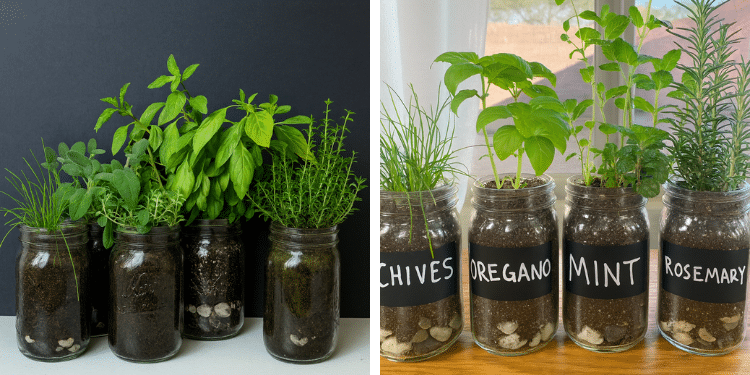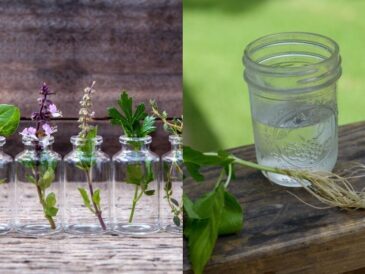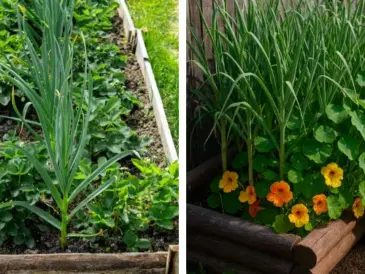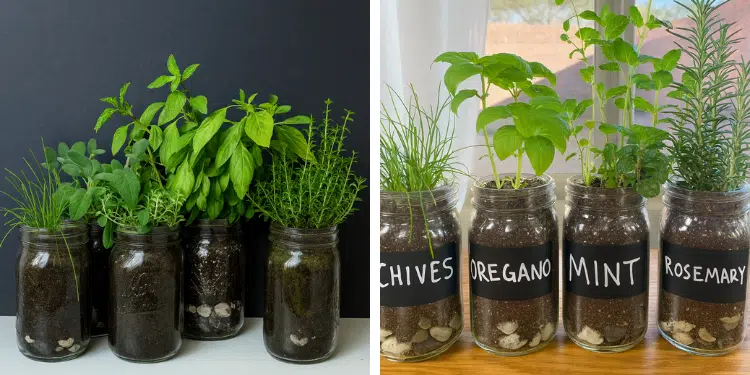
Growing herbs indoors is one of the easiest ways to bring fresh flavors, natural fragrances, and beautiful greenery into your home – and you don’t need gardening experience or expensive pots to get started.
With a few mason jars, some sunlight, and simple layering, you can create a thriving indoor herb garden that grows all year long.
Mason jars are convenient, space-saving, stylish, and transparent, allowing you to see root growth and soil moisture at all times.
They fit on any windowsill, brighten your kitchen, and turn everyday cooking into a fresh, aromatic experience.
Here are 12 of the best herbs you can grow indoors in mason jars, along with detailed descriptions of why they thrive, how they behave indoors, and how you can use each one in the kitchen, for wellness, or even for natural home care.
1. Basil
Basil is one of the most rewarding herbs to grow indoors because it responds quickly to warmth and indirect sunlight. In a mason jar, its roots stay evenly moist, allowing the plant to produce soft, fragrant leaves continuously.
Basil loves being trimmed frequently – the more you pinch off the tops, the bushier it becomes.
Indoors, basil benefits from a warm windowsill, and it thrives when the soil stays moderately damp but not soggy.
Its aroma alone can freshen the kitchen, and its uses are endless: toss it into salads, blend it into pesto, stir it into tomato sauces, layer it on sandwiches, or infuse it in olive oil.
Basil also contains natural anti-inflammatory compounds and antioxidants, making it a flavorful and healthy indoor staple.
2. Mint
Mint is famously hardy and forgiving. Indoors, it actually performs better in jars than in garden beds because jars help control its aggressive spreading nature.
Mint enjoys consistent moisture, cooler temperatures, and filtered light – all conditions that are easy to provide inside the home.
Growing mint indoors allows you to clip fresh leaves whenever you need them for teas, desserts, lemon water, smoothies, or cocktails.
Its scent refreshes the room, and its natural menthol content soothes digestion and supports relaxation. Peppermint and spearmint are the most popular varieties, but chocolate mint, apple mint, and orange mint also thrive in jars and offer unique aromatic twists.
3. Rosemary
Rosemary brings the essence of the Mediterranean into your home. This herb loves dry, warm, sunny conditions.
A mason jar provides a controlled drying environment when layered properly with pebbles at the bottom.
Rosemary’s woody stems allow it to hold moisture well, so it rarely suffers from underwatering.
Indoors, rosemary fills the room with a clean, herbal fragrance that clears the mind instantly. It is ideal for seasoning roasted meats, potatoes, breads, and soups.
Rosemary also contains natural antimicrobial oils and has long been used to improve focus and memory. A bright sunny windowsill is key – rosemary thrives on light more than water.
4. Thyme
Thyme is one of the easiest herbs to grow indoors because of its compact size, shallow root system, and drought tolerance.
It enjoys bright light but does not demand constant watering. In mason jars, thyme stays neatly contained and has a charming cascading effect as it grows.
Its earthy, slightly lemony flavor enhances soups, roasted vegetables, casseroles, and marinades. Thyme also offers antibacterial and antioxidant benefits and is often used in teas to soothe coughs and sore throats.
Indoors, it becomes a fragrant, low-maintenance herb that thrives with minimal attention.
5. Oregano
Oregano is a vigorous grower and one of the most aromatic herbs you can keep indoors. It loves warmth and sunlight but is surprisingly tolerant of indoor fluctuations.
Its roots do well in mason jars because oregano prefers soil that doesn’t stay too wet.
The flavor of fresh oregano is far more intense than the dried version – almost peppery, earthy, and deeply savory.
It’s perfect for pasta, pizza, grilled vegetables, and marinades. Medicinally, oregano is rich in antibacterial oils, particularly carvacrol, making it one of the best herbs for immune support.
6. Cilantro
Cilantro is fast-growing and thrives in the mild indoor temperatures of most homes. It prefers indirect sunlight rather than strong heat, which makes a kitchen or bathroom windowsill ideal.
Cilantro grows quickly from seed and offers repeated harvests, though it may eventually need replanting after a few months.
Fresh cilantro brightens every dish it touches – salsa, tacos, curries, rice bowls, and soups. Its leaves carry citrusy, herbal notes, while its stems pack even more flavor.
Cilantro is also valued for its detoxifying properties and digestive benefits. When grown indoors, it stays tender and flavorful longer than outdoor cilantro exposed to heat.
7. Parsley
Parsley grows slower than many other herbs, but once established, it produces a steady supply of fresh, crisp leaves.
Indoors, it appreciates cooler air and indirect light. Mason jars allow you to track moisture easily, ensuring the soil never becomes too dry or waterlogged.
Flat-leaf parsley is preferred for cooking because it offers more intense flavor than curly parsley. Add it to salads, soups, sauces, grain bowls, and garnishes.
Parsley is also rich in vitamins A, C, and K, as well as iron and antioxidants. Growing it indoors ensures you always have a nutrient-packed green herb within reach.
8. Sage
Sage is a beautifully textured herb with soft, velvety leaves that thrive in the gentle drying environment of a mason jar.
It prefers soil that drains slowly but dries out between waterings. Indoors, sage enjoys direct to indirect light and rarely suffers from pests.
Sage’s rich, earthy aroma is grounding and relaxing. It enhances roasted vegetables, poultry dishes, stuffings, and herbal teas.
Many people grow sage indoors not just for cooking, but also for its traditional use in cleansing and aromatherapy. Its leaves release a calming scent every time you brush past them.
9. Chives
Chives are remarkably easy to grow indoors and look beautiful in jars with their tall, grass-like leaves. They tolerate lower light than most herbs and can regenerate quickly after each cutting.
Their mild onion flavor is perfect for baked potatoes, soups, omelets, dips, and cream sauces. Snipping chives often encourages fresh growth and keeps the plant dense.
Chives also contain natural antibacterial compounds and antioxidants, making them both delicious and restorative.
10. Lemon Balm
Lemon balm is one of the most aromatic herbs you can grow indoors. Its uplifting lemony scent fills the room anytime you touch the leaves.
It thrives in partial sunlight and slightly moist soil – conditions that are easy to provide inside a mason jar.
This herb is well loved for its calming properties. Lemon balm tea helps reduce stress, support sleep, and soothe the digestive system.
In the kitchen, lemon balm adds brightness to salads, desserts, teas, and infused water. It’s also wonderful for homemade beauty products like salves and toners.
11. Dill
Dill has fine, feathery leaves that look delicate but grow surprisingly well indoors. It prefers cool air, moderate light, and consistently moist soil. In a mason jar, dill’s slender roots stay hydrated without being soaked.
Fresh dill has a distinctive, refreshing flavor with hints of lemon and anise. It enhances fish dishes, potato salads, soups, dips, and homemade pickles.
Indoors, dill develops softer leaves, making it ideal for cooking and garnishing. Regular cutting helps it branch and stay productive.
12. Lavender (Dwarf Varieties)
Lavender might not be the first herb that comes to mind for indoor growing, but dwarf varieties adapt beautifully to mason jars with proper light. Lavender enjoys dry conditions and will thrive as long as it receives plenty of sun.
Indoors, lavender provides more than culinary benefits – it creates a calming environment with its soft fragrance. The flowers can be used for teas, desserts, syrups, sachets, and homemade skincare.
Lavender also has natural antibacterial and relaxing properties, making it perfect for bedrooms and living spaces.
How to Create a Successful Mason Jar Herb Garden
Even though these herbs are easy to grow, their success in mason jars depends on proper layering and care.
Start by placing a layer of small pebbles or stones at the jar’s base. This prevents the roots from sitting in water. A thin layer of activated charcoal helps keep the soil fresh and reduces odors.
Add a high-quality potting mix and plant your seeds or seedlings. Water lightly and allow excess moisture to settle at the bottom above the stones.
Place your jars in bright, indirect light unless the herb prefers direct sun. Trim frequently to encourage growth, and rotate the jars occasionally so each side receives equal light.
Indoor herbs not only elevate your cooking, but they also improve indoor air quality, make your home smell incredible, and provide natural wellness benefits.