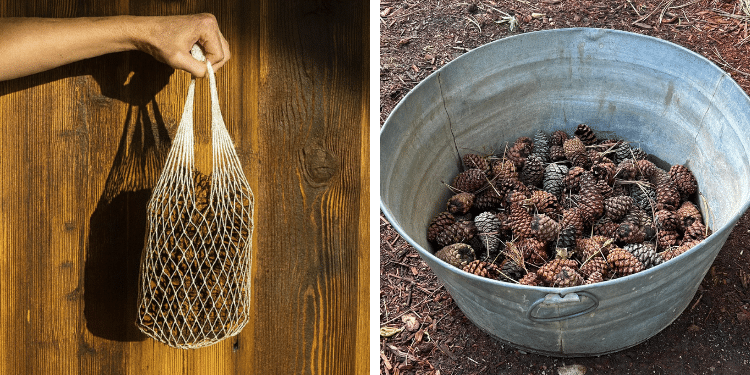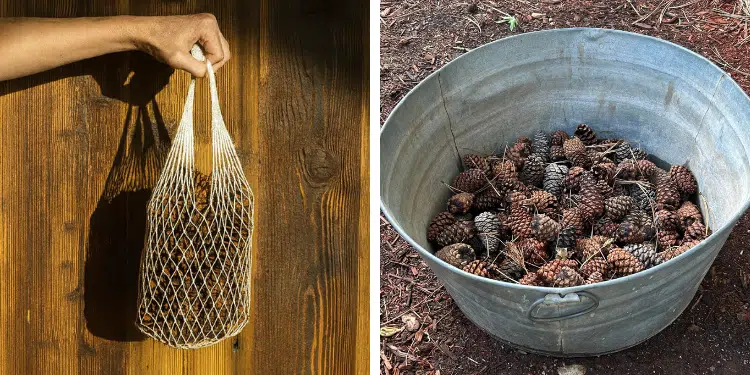
If you’ve ever walked through a seasoned gardener’s backyard and noticed pinecones hanging inside mesh bags, you might wonder why they’re there.
They aren’t decorations, bird toys, or craft projects. This simple trick is surprisingly practical – and the benefits are much bigger than most people realize.
Pinecones have been used in the garden for centuries, long before plastic tools, electronic sensors, or synthetic fertilizers existed.
They are natural, durable, eco-friendly, and they respond to environmental changes in ways that make them incredibly useful around plants.
Pinecones Are Nature’s Moisture Meters
The biggest reason gardeners hang pinecones in mesh bags is simple: pinecones open and close depending on humidity.
This makes them a natural indicator of:
- Soil dryness
- Air humidity
- Rain approaching
- Overwatering conditions
Why it works:
Pinecones are designed to protect seeds. When the air is moist, they close tightly to keep seeds dry. When the air is dry, they open wide to release seeds. Gardeners take advantage of this natural reaction.
What it tells you:
- Pinecone open → the air is dry → the garden may need watering soon
- Pinecone closed → high humidity → watering should be delayed
It’s an easy, zero-cost way to understand the microclimate around your plants without digital tools.
Why Mesh Bags?
Pinecones are hung inside mesh bags because:
- Air circulates freely around them
- They stay clean and dry
- They remain visible at eye level
- Moisture changes affect them quickly
- They are easy to move around the garden
Using a bag also prevents them from falling or being taken by birds.
Gardeners often hang one bag in each garden zone – vegetable beds, flower beds, fruit trees, and pots – because each area can have different humidity levels.
1. Pinecones Help Prevent Overwatering – The #1 Cause of Plant Death
Most beginner gardeners kill plants not by neglect, but by overwatering.
Overwatering causes:
- Root rot
- Fungal infections
- Soil compaction
- Yellow leaves
- Dying stems
- Stunted growth
Because pinecones close up when humidity is high, they act like a warning sign:
Closed pinecone = air is saturated = soil may also be holding too much moisture.
Gardeners use this signal as a reminder to:
- Skip watering
- Check soil drainage
- Let pots dry out
- Improve airflow
Even experienced gardeners use pinecones as visual reminders, especially during rainy or humid weeks.
2. Pinecones Predict Rain (A Natural Weather Forecaster)
Long before weather apps existed, people used pinecones to predict rain.
Pinecones are extremely sensitive to moisture in the air. If a storm is coming, even hours before it arrives, the pinecone will begin to close.
Gardeners watch for:
- Partial closing → humidity rising
- Full closing → rain approaching
This helps them:
- Plan watering schedules
- Protect delicate plants
- Postpone fertilizing (since rain can wash nutrients away)
- Prepare rain barrels
This old trick is still remarkably reliable.
3. Pinecones Help Repel Certain Pests When Hung Near Garden Beds
Pinecones release a natural scent containing terpenes, which many insects dislike.
While they won’t eliminate pests, they may help deter:
- Ants
- Moths
- Slugs
- Aphids
- Some beetles
Gardeners often hang pinecones near:
- Greenhouses
- Entry points where pests climb
- Lettuce beds
- Strawberry rows
- Seedling areas
Even better, pinecones work as a mild deterrent without chemicals, making them ideal for organic gardening.
4. They Improve Airflow Around Wet Areas
Pinecones hung in mesh bags move slightly with the wind, creating gentle airflow.
This helps:
- Reduce moisture pockets
- Prevent mold
- Keep fungus from spreading
- Improve ventilation around crowded plants
Airflow is essential for preventing plant diseases such as powdery mildew and blight. Even slight movement can help discourage stagnant, humid air.
5. Pinecones Are Natural Habitat Indicators for Wildlife
Healthy pinecones attract beneficial garden wildlife like:
- Seed-eating birds
- Helpful insects
- Pollinators
- Ground beetles that hunt pests
When hung in mesh bags, the pinecones don’t drop seeds, but they still signal a wildlife-friendly environment.
Some gardeners hang them specifically to encourage bird activity, since more birds means fewer harmful insects.
6. Pinecones Absorb Excess Moisture From Damp Garden Corners
In shaded or low-lying spots where moisture lingers, pinecones act as natural dehumidifiers.
They help:
- Absorb water vapor
- Reduce mold
- Keep soil from staying wet too long
This is especially useful near:
- Shaded raised beds
- Greenhouses
- Fern areas
- Basement entrances
- Patio garden corners
Once they become saturated, they simply close up – and reopen when dry again.
7. Pinecones Help Remind Gardeners to Check Soil Conditions
A mesh bag with a pinecone acts as a subtle visual cue:
- Is it open today?
- Is it tighter than yesterday?
- Did humidity rise overnight?
It encourages gardeners to observe, which is one of the most important (and overlooked) gardening skills.
People who pay attention to humidity often notice problems like fungus, pests, watering mistakes, or sudden temperature changes much sooner.
8. They Add Natural Beauty and Character to the Garden
Even if you don’t believe in their practical use, pinecones bring rustic charm to a garden.
Hanging pinecones can create a cozy, woodland feel, especially when used near:
- Trellises
- Wooden frames
- Greenhouses
- Pergolas
- Tool sheds
- Rustic garden posts
The look blends beautifully with cottage gardens, herb gardens, and nature-inspired spaces.
9. Pinecones Are Completely Eco-Friendly and Free
Unlike digital moisture meters, pinecones are:
- Biodegradable
- Renewable
- Reusable
- Weather-resistant
- Totally free
They require no batteries, no calibration, and no maintenance beyond occasional cleaning. Gardeners love solutions that cost nothing but offer real benefits – and pinecones fit perfectly into that category.
10. They Help Gardeners Understand Their Microclimate
Every garden has microclimates – small areas with different moisture, heat, shade, and airflow.
Pinecones hung in multiple spots help gardeners understand:
- Which areas dry fastest
- Which areas stay damp
- Where humidity lingers
- How airflow changes throughout the day
This information makes it easier to:
- Choose the right plants for each area
- Prevent overwatering
- Improve soil drainage
- Adjust planting layouts
A simple pinecone can help you diagnose conditions that take new gardeners years to understand.
How to Use Pinecones in Mesh Bags in Your Own Garden
If you want to try this old trick, here’s how to do it effectively.
Choose a breathable mesh bag
- Old produce bags work great
- Loose mesh helps the pinecone react quickly
Select a mature, dry pinecone
- Look for fully opened cones
- Shake out debris or insects
- Let it sun-dry for a day if needed
Hang it in the right place
- Eye level or just above plants
- Shaded areas for moisture monitoring
- Sunny areas for airflow improvement
- Near garden entrances to observe humidity shifts
Use more than one
Each garden zone behaves differently.
Replace as needed
Pinecones last a very long time but may eventually need refreshing if they break or mold.
Hanging pinecones in mesh bags may seem like a quaint gardening habit, but it’s actually a clever and ancient method rooted in observation, nature’s design, and practical wisdom.