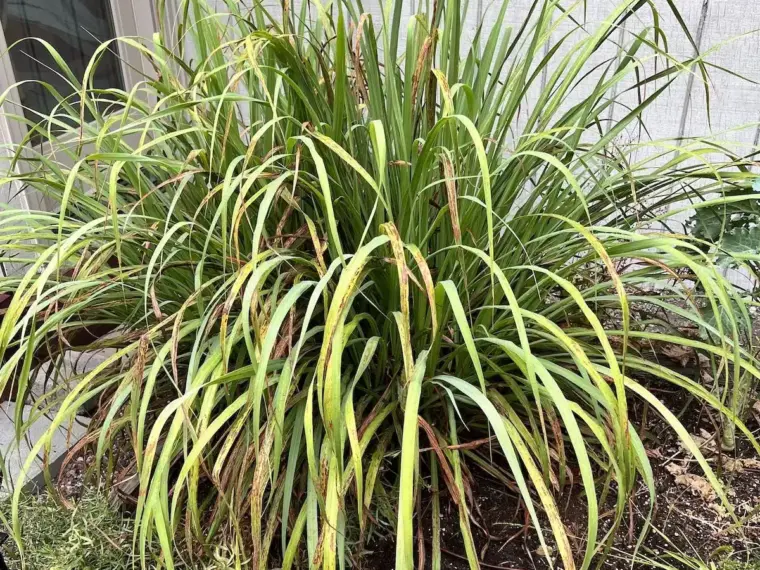
If you love spending time in your garden but hate being bothered by buzzing, biting, or plant-damaging pests, there’s one fragrant plant that can make a world of difference – lemongrass.
Why Lemongrass Is Such a Powerful Pest Repellent
The secret behind lemongrass’s pest-repelling ability lies in its essential oils, particularly citronella – a compound also found in citronella grass (Cymbopogon nardus and Cymbopogon winterianus).
While these are different species, lemongrass (Cymbopogon citratus) still produces a strong citronella aroma that naturally deters many insects.
Here’s why pests avoid it:
- The citrusy scent masks human and plant odors that attract bugs.
- Its essential oils interfere with pests’ sensory receptors, making it difficult for them to locate food or hosts.
- Lemongrass oil also has mild insecticidal and antifungal properties, helping prevent infestations and fungal issues on plants.
The best part? It’s completely natural, safe for pollinators like bees, and adds beauty and fragrance to your garden.
6 Pests That Lemongrass Naturally Repels
Let’s explore the most common pests that steer clear of lemongrass – and how to use it against each one effectively.
1. Mosquitoes
This is the pest lemongrass is most famous for repelling – and for good reason.
Mosquitoes despise the citronella oil found in lemongrass leaves and stems. The strong scent confuses their sense of smell, preventing them from detecting carbon dioxide and body odors, which they use to find humans and animals.
Best Ways to Use Lemongrass Against Mosquitoes:
- Grow it near outdoor seating areas: Plant lemongrass in large pots around patios, decks, or porches. When the wind moves through the leaves, it releases the repelling aroma.
- Crush the leaves: Rub a few fresh leaves between your hands and apply lightly to skin or clothing before heading outside.
- Make a natural spray: Mix 10 drops of lemongrass essential oil with 2 tablespoons of witch hazel and ½ cup of water in a spray bottle. Shake and apply to exposed skin (avoid eyes).
- Burn dried lemongrass leaves: The smoke releases citronella compounds that drive mosquitoes away during summer evenings.
This method is safer than chemical repellents – and it leaves your garden smelling fresh and clean.
2. Flies
Few things ruin a relaxing afternoon outdoors like a swarm of houseflies or fruit flies. Luckily, lemongrass can drive them away naturally.
The scent of lemongrass confuses flies’ sensory systems and prevents them from landing on food, trash, or compost piles.
How to Use Lemongrass to Repel Flies:
- Essential oil diffuser: Add a few drops of lemongrass oil to an outdoor diffuser near your table.
- Spray surfaces: Combine 1 cup of water, 1 tablespoon of vinegar, and 10 drops of lemongrass oil. Spray kitchen counters, garbage bins, and outdoor eating areas.
- Hang bundles: Dry lemongrass stalks and hang small bunches near doorways, windows, and picnic areas.
You’ll not only repel flies – you’ll fill the air with a refreshing citrus scent that deters other flying insects, too.
3. Ants
Ants use scent trails to communicate and find food sources. The strong essential oils in lemongrass disrupt those trails, making it harder for them to navigate or locate food.
Ways to Use Lemongrass Against Ants:
- Lemongrass essential oil barrier: Mix 10 drops of oil with a cup of water and spray along entry points – windowsills, door frames, and baseboards.
- Cotton ball method: Soak cotton balls in lemongrass oil and place them near cracks or ant pathways.
- Garden protection: Plant lemongrass around garden beds or near compost bins to prevent ants from nesting nearby.
Unlike commercial ant sprays, lemongrass doesn’t harm beneficial insects or pets – it simply makes your home and garden less appealing to ants.
4. Ticks and Fleas
If you have pets or spend time in grassy areas, ticks and fleas are more than just a nuisance – they can transmit disease. Fortunately, lemongrass is a natural deterrent for both.
Citronella and geraniol compounds in lemongrass mask the scent of animal fur and human skin that attracts these biting parasites.
How to Use Lemongrass to Repel Ticks and Fleas:
- DIY pet spray: Mix 1 cup of distilled water, 1 tablespoon of apple cider vinegar, and 10 drops of lemongrass essential oil. Lightly mist your pet’s fur (avoid face and eyes).
- Yard perimeter planting: Plant lemongrass along fences or paths where pets play. The scent acts as a natural barrier.
- Add to shampoo: Add 2–3 drops of lemongrass essential oil to pet shampoo for extra protection and a fresh scent.
Consistent use can help prevent infestations naturally – no harsh chemicals required.
5. Whiteflies
In the garden, whiteflies are tiny but destructive. They suck sap from plants, causing yellowing leaves, stunted growth, and reduced yields.
Lemongrass’s natural aroma deters them and prevents them from settling on nearby plants.
How to Use Lemongrass to Repel Whiteflies:
- Companion planting: Plant lemongrass near tomatoes, peppers, and beans – common whitefly targets.
- Homemade spray: Steep chopped lemongrass leaves in hot water for 24 hours. Strain and spray onto affected plants. The mild solution won’t harm crops but will repel whiteflies effectively.
- Mulch barrier: Scatter dried lemongrass leaves around plant bases. The scent and oils act as a natural deterrent.
This method also helps deter aphids, another sap-sucking pest that damages soft-stemmed plants.
6. Gnats and No-See-Ums
Gnats and tiny biting midges can make gardening or outdoor dining unbearable. Luckily, these little pests can’t tolerate lemongrass’s intense scent.
How to Use Lemongrass to Repel Gnats:
- Candle or diffuser: Use lemongrass-scented candles or oil diffusers around patios and doorways.
- Topical spray: Combine 10 drops of lemongrass oil, 10 drops of lavender oil, and 2 tablespoons of coconut oil. Apply to wrists, ankles, and neck before going outside.
- Pot plants near doors: Keep potted lemongrass near entryways to prevent gnats from sneaking indoors.
This simple setup keeps your outdoor evenings comfortable and bite-free.
Other Garden Pests That Dislike Lemongrass
While the six pests above are the most affected, lemongrass can also help deter:
- Aphids: Repelled by the strong citrus aroma
- Spider mites: Sensitive to essential oils in lemongrass
- Fungus gnats: Avoid damp soil near lemongrass roots
- Termites: Dislike the smell and chemical compounds of lemongrass oil
Using lemongrass as a companion plant in your vegetable or flower garden can create a protective barrier against a variety of insects – without harming the soil or beneficial species.
How to Grow Lemongrass for Pest Control
Even if you’re new to gardening, lemongrass is easy to grow and maintain – and it thrives in containers or garden beds.
Growing Requirements:
- Sun: Full sun (at least 6–8 hours daily)
- Soil: Well-draining, rich in organic matter
- Water: Keep soil moist but not soggy
- Temperature: Prefers warm climates (Zones 9–11), but can be grown in pots and overwintered indoors in cooler regions
How to Plant:
- Start from a nursery plant or rooted stalk.
- Plant in spring once frost has passed.
- Space plants 24 inches apart for full growth.
- Fertilize monthly with compost tea or organic fertilizer.
Overwintering:
If you live in a cold climate, cut back lemongrass before frost and move pots indoors near a sunny window. It will regrow beautifully in spring.
Safety Tips When Using Lemongrass
- Essential oils are concentrated: Always dilute with water or a carrier oil before applying to skin or plants.
- Avoid overuse on plants: Too much lemongrass oil can harm delicate leaves.
- Patch test on skin: To ensure no sensitivity or irritation.
- Keep away from pets’ eyes and noses: While generally safe, essential oils can be irritating if used in excess.
Environmental Benefits of Using Lemongrass for Pest Control
Beyond keeping pests away, lemongrass offers major environmental advantages:
- Chemical-free pest control: Replaces synthetic sprays that harm pollinators and contaminate soil.
- Improves garden biodiversity: Attracts beneficial insects while deterring harmful ones.
- Reduces waste: You can use lemongrass leaves, stems, and oil – nothing goes to waste.
- Air purifier: The plant’s aroma naturally freshens your outdoor space and reduces mold and bacteria in humid climates.
It’s one of those rare plants that’s as useful as it is beautiful.
Whether you’re protecting your garden, home, or outdoor living space, lemongrass is one of the most effective and eco-friendly pest repellents nature offers.