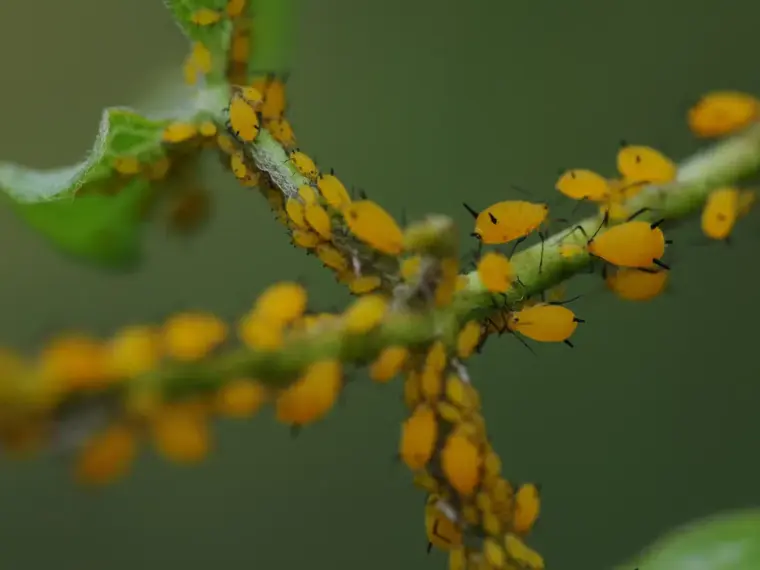
Aphids and scale insects are among the most persistent and frustrating pests gardeners face.
They appear almost out of nowhere, multiply rapidly, and weaken plants by sucking out sap, spreading viruses, and leaving behind sticky honeydew that attracts ants and mold.
Whether you’re caring for roses, citrus trees, herbs, vegetables, or houseplants, these tiny pests can quickly take over if you don’t act fast.
Many gardeners reach for chemical sprays, but harsh pesticides often harm beneficial insects, disrupt soil health, and leave residues on food crops.
Fortunately, there are effective natural methods that stop aphids and scale insects without putting your garden ecosystem at risk.
With the right treatments and consistency, you can eliminate these pests safely and restore your plants to full health.
Here are six natural treatments that truly work, how to use them, and why they’re so effective.
Understanding Aphids and Scale Insects: Why They Multiply So Fast
Aphids and scales share the same destructive habits: they feed on plant juices and weaken growth. But each behaves differently.
Aphids
Soft-bodied, pear-shaped insects that cluster on new growth, stems, and leaf undersides. They reproduce extremely fast – sometimes giving birth to live young every day. Aphids deform leaves, stunt new shoots, and cause yellowing.
Scale insects
Hard- or soft-shelled pests that attach tightly to stems and undersides of leaves. They look like tiny bumps or shells and often remain motionless as they feed. Scales are harder to remove because their shield protects them from sprays.
Both pests excrete honeydew, a sticky substance that causes sooty mold and attracts ants – which often protect them from predators.
The key to control is stopping adults while preventing new hatchlings from appearing. Natural treatments can do both when used correctly.
1. Insecticidal Soap: The Most Reliable Natural Treatment
Insecticidal soap is one of the most effective and safest ways to eliminate aphids and soft-bodied scale insects.
Rather than poisoning them, the soap breaks down their protective outer layer, causing dehydration and death within hours.
It works best for:
- Aphids
- Mealybugs
- Soft scale (not armored scale)
How to use it: Spray the entire plant thoroughly – especially leaf undersides and stems, where pests hide. Reapply every 4–7 days for two to three weeks, or until no new pests appear.
Why it works: The soap dissolves waxy coatings that protect pests, but it doesn’t harm plants or beneficial insects once dry.
If you want a homemade alternative, mix:
- 1 liter of water
- 1 teaspoon mild liquid soap
Shake and apply immediately.
2. Neem Oil: A Powerful Multi-Action Treatment
Neem oil is one of the most effective natural pest controls for both aphids and scale insects because it works in several ways at once:
- Smothers pests on contact
- Disrupts their feeding
- Stops reproduction
- Prevents eggs from hatching
It’s especially helpful for scale insects, whose shells protect them from many other sprays.
How to use it: Mix neem oil according to the label (usually 1–2 tablespoons per liter of water). Spray plants in the evening to avoid sunburn. Coat all surfaces, including stems, where scale insects live.
Why it works: Neem contains azadirachtin, a natural compound that interferes with pest hormones, gradually wiping out entire colonies.
Use it every 7–10 days until infestations are gone.
3. Rubbing Alcohol: A Fast Remedy for Scale and Mealybugs
Rubbing alcohol (isopropyl alcohol) is one of the quickest and most effective ways to kill scale insects – especially small colonies.
How to use it: Dip a cotton swab in 70% alcohol and dab each pest individually. The alcohol penetrates the shell and dissolves the insect. For larger infestations, mix:
- 1 part rubbing alcohol
- 3 parts water
Spray directly onto affected areas.
Why it works: Alcohol breaks down the waxy coating on scales and dries them out rapidly. It can also dissolve aphid clusters instantly.
Use sparingly on sensitive plants like ferns.
4. Water Pressure: The Simplest Way to Knock Out Aphids
A strong stream of water from a hose is one of the most underrated methods for controlling aphids. Because aphids are weak climbers, knocking them off the plant often prevents them from returning.
How to use it: Spray the plant with a firm but gentle stream, focusing on leaf undersides and tender new growth.
Why it works: It removes hundreds of aphids at once without harming beneficial insects or damaging the plant.
Repeat every few days until the infestation declines.
This method is not effective for scale insects, which cling tightly to stems.
5. Essential Oils: Highly Effective Natural Sprays
Certain essential oils have strong insect-repelling and insect-killing properties. The most effective oils for aphids and scales include:
- Peppermint
- Rosemary
- Clove
- Tea tree
- Lemongrass
How to use them: Mix the following:
- 1 liter of water
- 10–15 drops of essential oil
- 1 teaspoon liquid soap (to help the oils stick)
Spray thoroughly every 3–4 days until pests disappear.
Why it works: These oils contain natural compounds that suffocate pests, disrupt their nervous system, and repel new insects from settling.
They also leave a pleasant aroma and help deter ants, which often protect aphids and scales.
6. Natural Predators: Let the Garden Work for You
Bringing beneficial insects into the garden is one of the most sustainable long-term solutions to aphids and scale insects.
The most effective predators include:
- Ladybugs
- Lacewings
- Hoverflies
- Parasitic wasps
- Predatory beetles
Why it works: These insects feast on aphids and scale crawlers (the young stage before they form shells). Once established, they keep pest populations under control naturally.
To attract beneficial insects:
- Plant flowers like dill, yarrow, fennel, and alyssum
- Avoid pesticides
- Provide water sources like shallow dishes with stones
Introducing ladybugs directly onto infested plants can dramatically reduce aphids within days.
Additional Tips to Prevent Aphids and Scales From Returning
Stopping an infestation is only half the job – preventing a new one is equally important.
Control ants
Ants protect aphids and scales because they feed on honeydew. If ants are present, treat them with diatomaceous earth or bait traps.
Strengthen plant health
Stressed plants attract pests. Give your plants:
- Good drainage
- Proper sunlight
- Enough airflow
- Balanced fertilizer
Healthy plants naturally resist infestations.
Avoid excess nitrogen
Too much nitrogen (especially from synthetic fertilizers) triggers soft, tender growth that aphids love.
Wipe leaves regularly
For houseplants, wipe leaves monthly to remove dust and pests before they multiply.
Inspect new plants
Many infestations begin when a newly purchased plant brings pests into the garden.
When to Combine Treatments
Large or persistent infestations often require using two or more methods together. Common combinations include:
- Neem oil + water pressure rinsing
- Insecticidal soap + alcohol swabbing
- Essential oil spray + beneficial insects
Combining treatments speeds results and prevents pests from rebounding.
Aphids and scale insects can overwhelm even the healthiest garden, but eliminating them doesn’t require harsh chemicals or expensive products