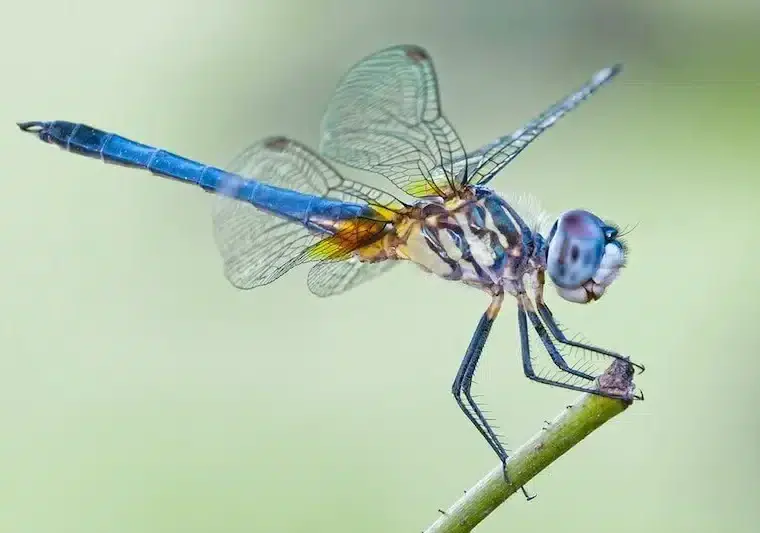
Nature has a remarkable way of maintaining balance—if we let her. In an age when chemical solutions dominate mosquito control, it’s easy to forget that one of the most efficient mosquito predators already exists right in your backyard: the dragonfly.
By embracing natural methods such as planting dragonfly-attracting vegetation, you can reduce mosquitoes and other pests without relying on sprays or coils.
Dragonflies are both stunning and beneficial, and inviting them into your landscape is a sustainable, chemical-free way to improve your outdoor space.
In this guide, you’ll learn how dragonflies help reduce mosquito populations, and discover 10 of the best plants—both land and aquatic—that attract dragonflies to your garden for natural pest control.
Why Dragonflies Are Effective Mosquito Predators
Dragonflies are voracious insectivores throughout their life cycle.
- As nymphs (larvae): They live underwater and consume large numbers of mosquito larvae.
- As adults: Dragonflies patrol the air, consuming up to 100 mosquitoes or more per day. They also feed on gnats, midges, and other flying pests.
According to ecological studies, dragonfly nymphs may play a significant role in regulating mosquito populations in aquatic ecosystems—making them a natural first line of defense.
But dragonflies need the right habitat to thrive, including access to water for breeding, native flowering plants, and shelter in the form of grasses or shrubs.
How to Attract Dragonflies to Your Garden
Creating a dragonfly-friendly habitat is simple and starts with two core principles:
- Add plants that support their prey (butterflies, pollinators, and small insects).
- Include aquatic features with submerged or shoreline plants for breeding and shelter.
The following plants fall into two categories:
- Land plants: For gardens and flower beds
- Aquatic or shoreline plants: For ponds, water gardens, or damp spaces
Let’s look at each category in more detail.
Land Plants That Attract Dragonflies (and Their Prey)
Even if you don’t have a pond, you can still attract dragonflies by growing flowering plants that attract pollinators. These flowers lure butterflies, bees, and wasps—the preferred prey of adult dragonflies.
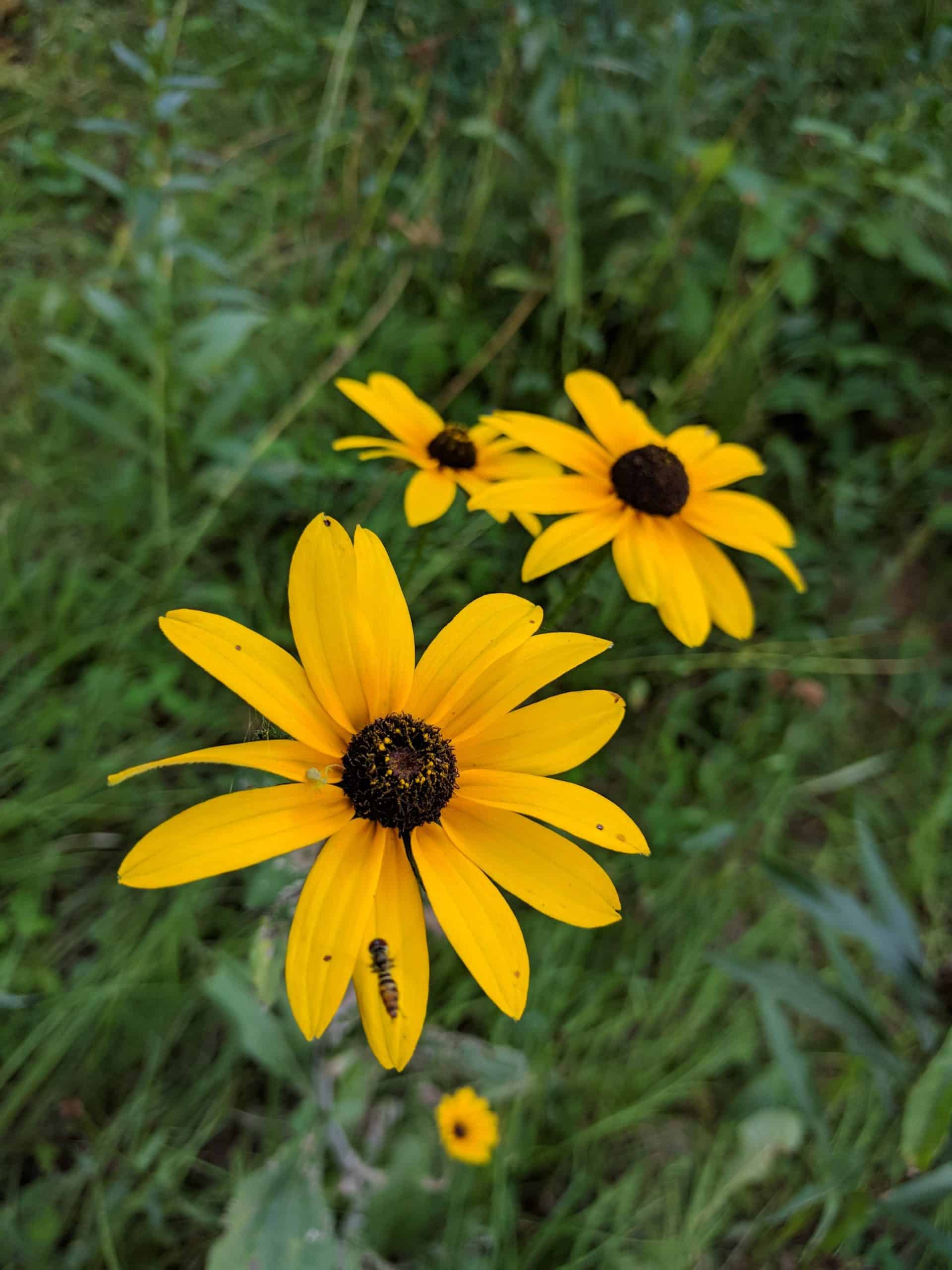
1. Black-Eyed Susan (Rudbeckia hirta)
Bright and cheery, this wildflower is beloved by butterflies and bees.
- Bloom Time: Mid-summer to early fall
- Soil: Adapts to most soils
- Sun: Full sun
- Bonus: Deer-resistant and low-maintenance
The more pollinators you attract, the more dragonflies will stop by to feed.
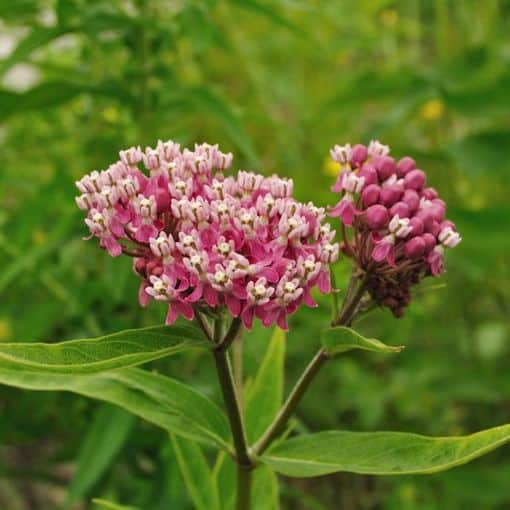
2. Swamp Milkweed (Asclepias incarnata)
This native milkweed variety thrives in moist soil and blooms with beautiful pink or white flowers.
- Attracts: Butterflies, bees, wasps
- Sun: Full sun
- Soil: Moist, clay-rich or wetland soil
- Benefit: Perennial and pollinator-friendly
3. Joe-Pye Weed (Eutrochium purpureum)
A towering native wildflower that produces vanilla-scented, pink-purple blooms.
- Height: 3 to 12 feet
- Bloom Time: Midsummer through fall
- Habitat: Moist meadows, woodland edges
- Bonus: Makes great perching spots for dragonflies
4. Meadow Sage (Salvia nemorosa)
This hardy, drought-tolerant perennial offers spikes of deep purple flowers.
- Sun: Full sun to partial shade
- Soil: Well-drained
- Bloom Time: Late spring through fall
- Attracts: Bees, butterflies, and hoverflies
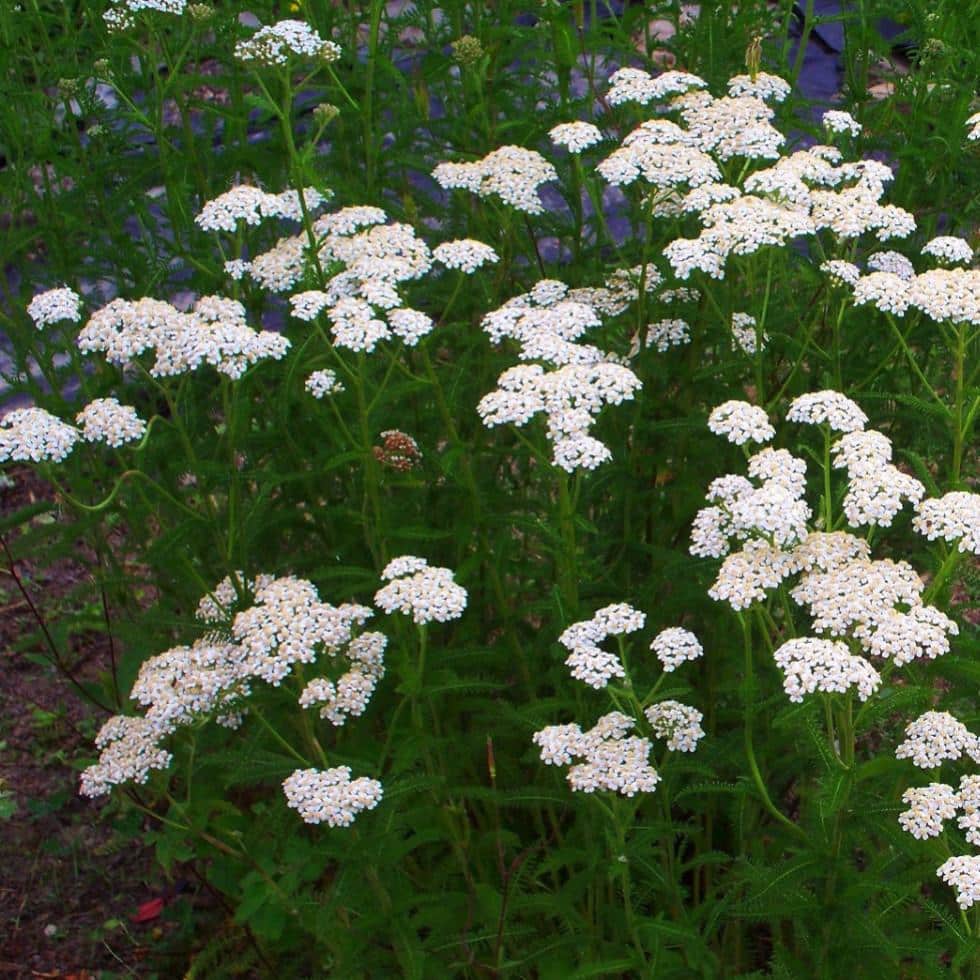
5. White Yarrow (Achillea millefolium)
This tough wildflower produces flat-topped clusters of tiny white blooms.
- Attracts: Parasitic wasps and small pollinators
- Soil: Dry to medium, well-drained
- Sun: Full sun
- Hardiness: Excellent ground cover and pollinator plant
Aquatic & Shoreline Plants for Dragonfly Breeding
Dragonflies lay their eggs in water. Their larvae (called nymphs) spend months or even years underwater, making ponds and water gardens the best way to make dragonflies permanent residents.
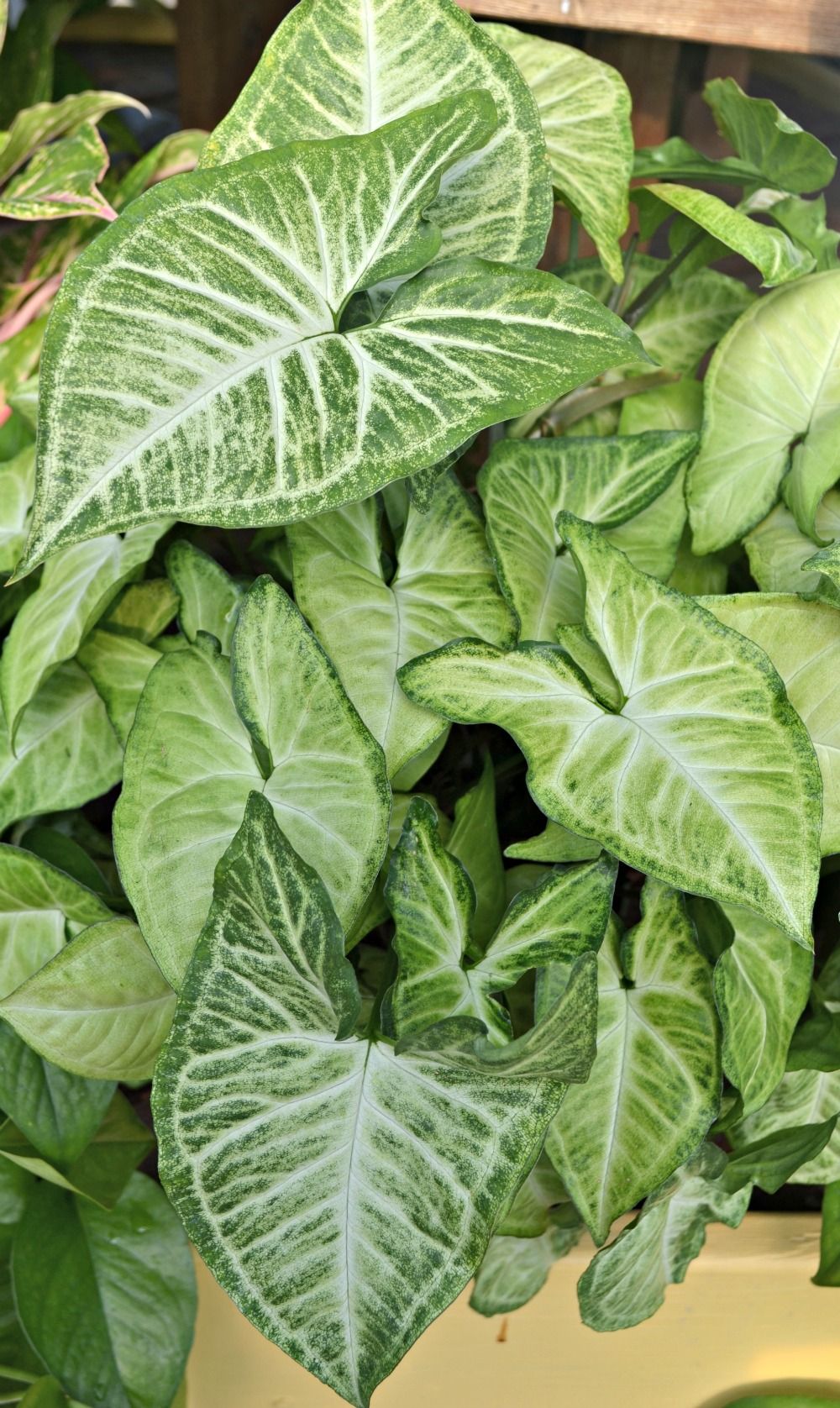
6. Arrowhead (Sagittaria latifolia)
Named for its distinct arrow-shaped leaves, this marsh plant grows in shallow water.
- Height: Up to 3 feet
- Flowers: White with yellow centers
- Ideal For: Edge-of-pond planting or containers in ponds
- Function: Resting spot for adult dragonflies and egg-laying site
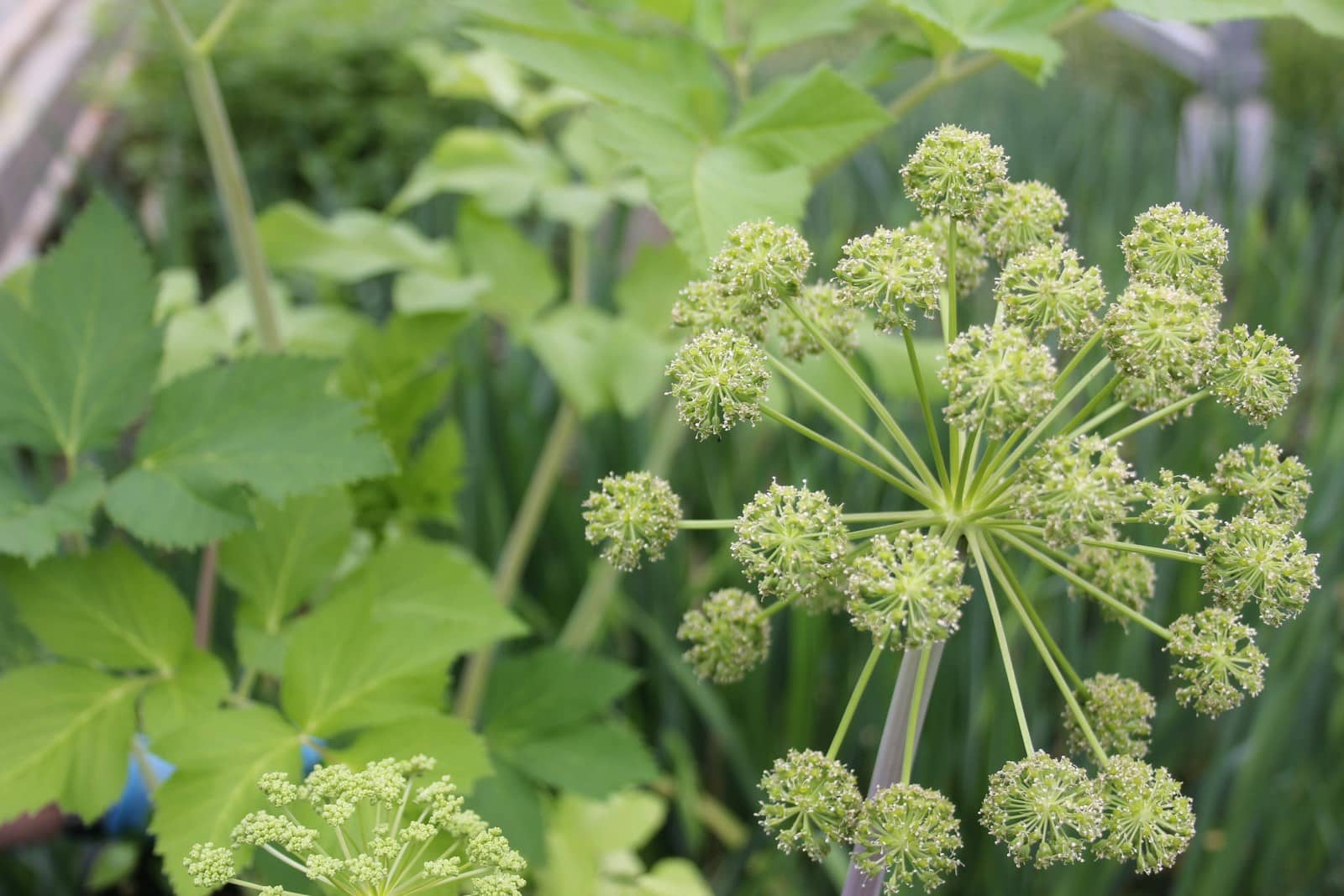
7. Wild Celery (Vallisneria americana)
Also known as eelgrass or tape grass, this submerged aquatic plant provides hiding places for nymphs and supports water oxygenation.
- Water Depth: 18 inches or deeper
- Light: Full sun to filtered light
- Bonus: Encourages aquatic insect life—food for nymphs
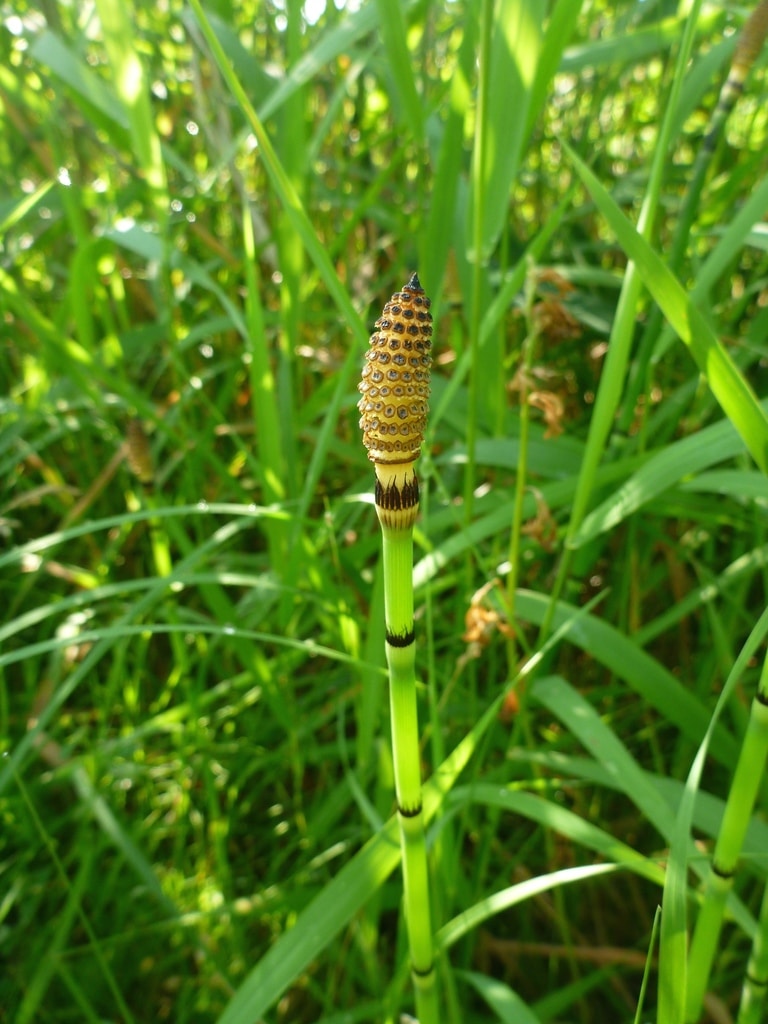
8. Water Horsetail (Equisetum fluviatile)
A unique plant that straddles the line between floating and emergent.
- Growth: Roots in soil, stems rise out of the water
- Use: Nymphs climb stalks to emerge as adults
- Sun: Full sun to part shade
- Bonus: Adds texture to pond edges
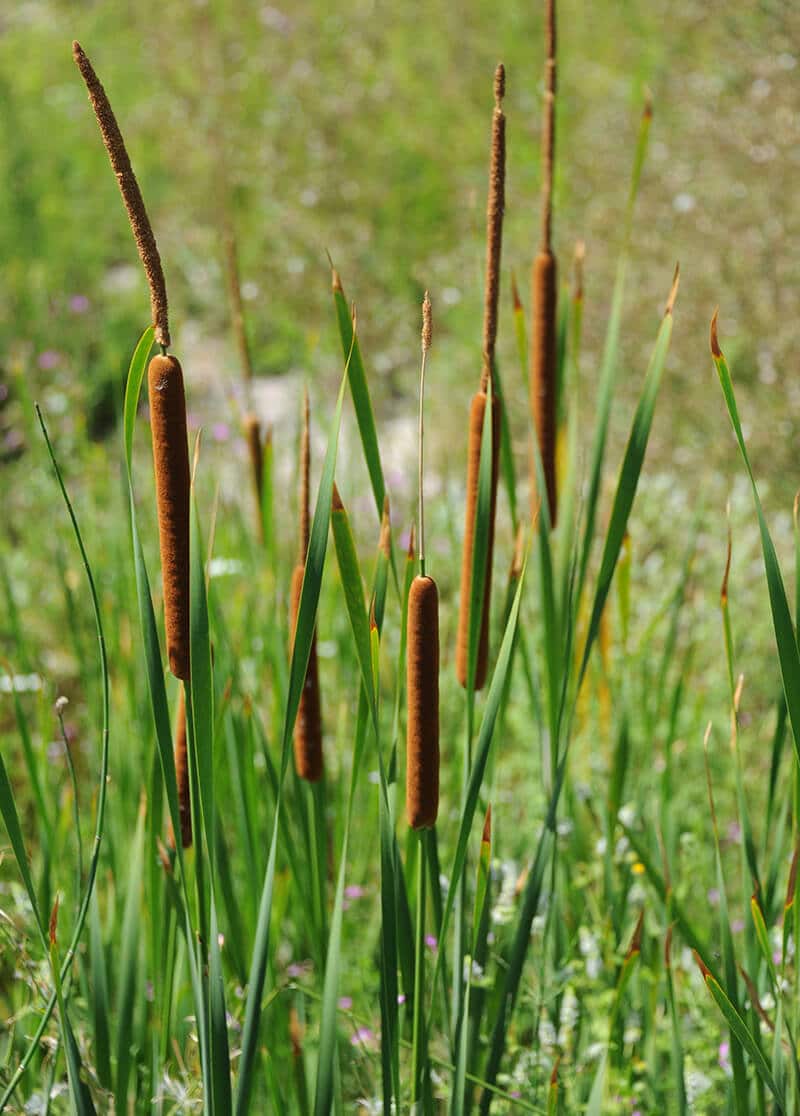
9. Cattail (Typha latifolia)
An iconic wetland plant that’s perfect for creating shelter and egg-laying spots.
- Height: 5–10 feet
- Light: Prefers full sun
- Water: Moist soil or shallow standing water
- Maintenance: Easy to propagate from rhizomes
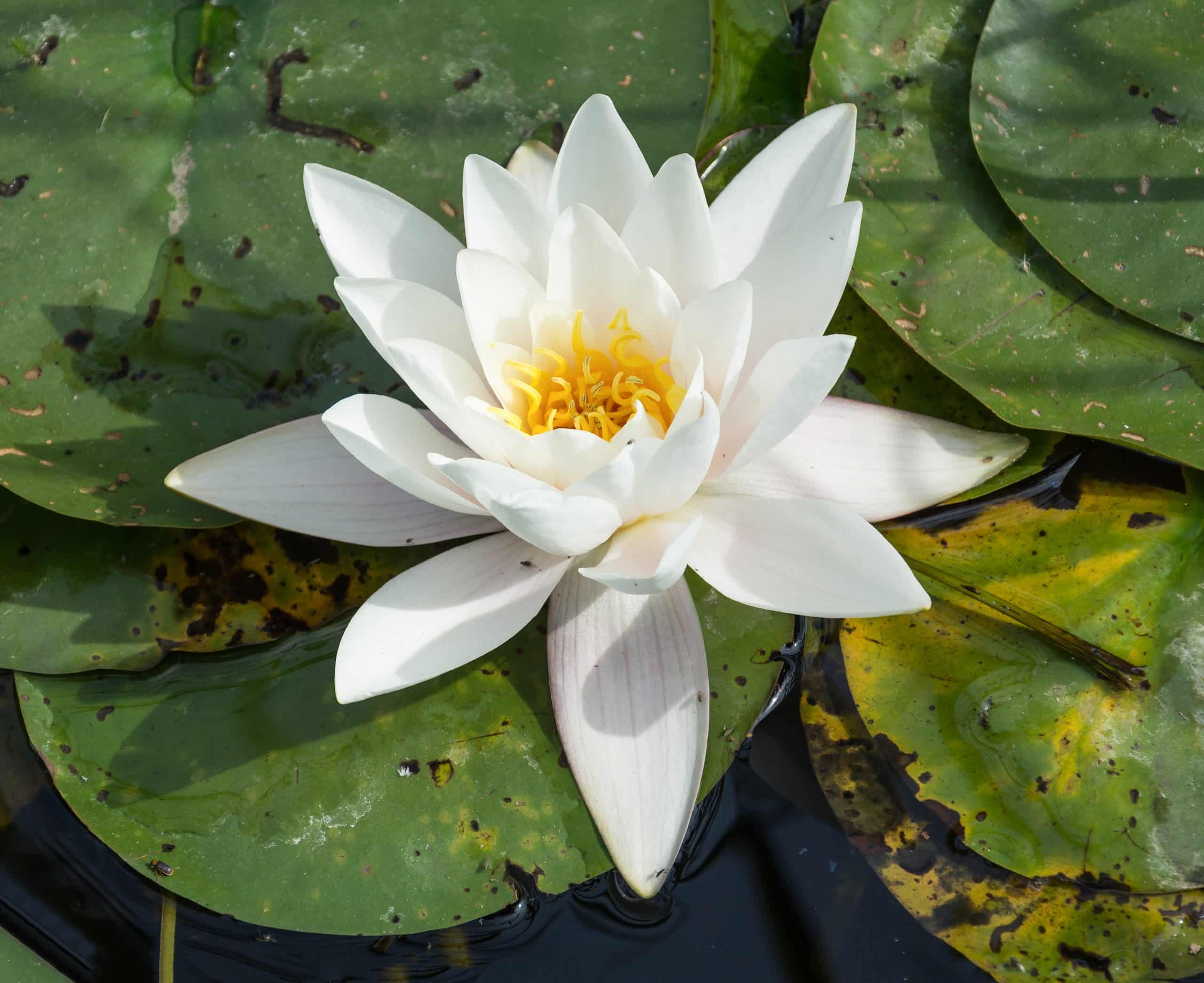
10. Water Lily (Nymphaea spp.)
Floating leaves and showy blooms make this plant both ornamental and practical.
- Use: Adults lay eggs on floating leaves
- Planting: Use tubers in underwater pots
- Sun: Full sun
- Depth: 12 to 24 inches of water
Water lilies create shade, oxygenate water, and provide landing zones for dragonflies and pollinators alike.
Additional Tips to Attract Dragonflies
- Add rocks near your pond or garden: Dragonflies love sunbathing on warm stones.
- Provide perches: Bamboo stakes or twigs give them places to rest.
- Avoid pesticides: Insecticides kill not only mosquitoes, but also dragonfly larvae and pollinators.
- Don’t introduce fish: Many fish eat dragonfly nymphs, which reduces dragonfly populations.
If you’re tired of battling mosquitoes with sprays, coils, or candles, it’s time to let nature restore the balance.
Dragonflies are beautiful, beneficial predators that offer a natural, eco-friendly alternative to chemical control methods.
By planting a mix of flowering perennials and aquatic plants, you’ll not only support dragonflies but enhance biodiversity and create a peaceful garden sanctuary.
Whether you build a pond or plant a few pollinator-friendly flowers, you’re contributing to a healthier ecosystem—one dragonfly at a time.