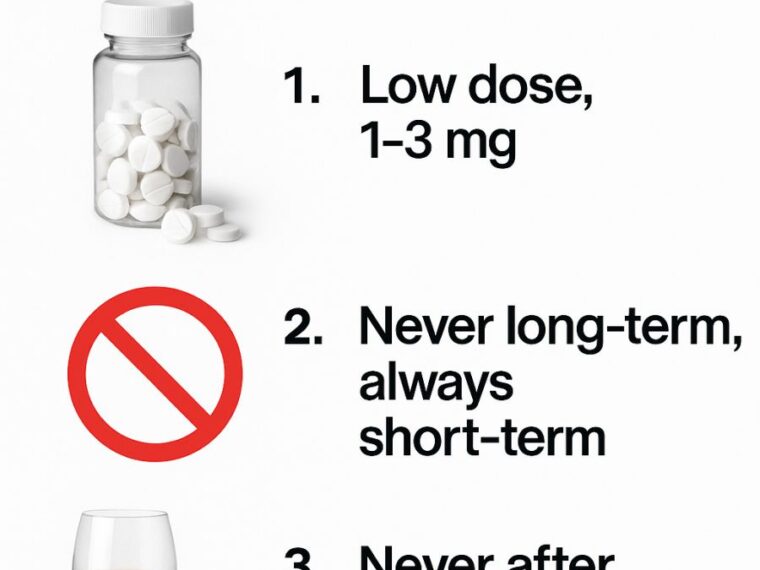
Many people turn to melatonin as a solution for sleep problems, hoping for a quick fix to their insomnia or jet lag. However, improper usage can lead to frustration and continued sleepless nights. If you find yourself struggling to achieve the restful sleep you desire despite taking melatonin, you may be using it incorrectly.
In this article, we will guide you through the proper ways to use melatonin effectively. By understanding how melatonin works and how to incorporate it into your routine correctly, you can maximize its benefits and enjoy a better night’s sleep.
1. Understanding Melatonin: The Sleep Hormone
Melatonin is a hormone naturally produced by the pineal gland in the brain, primarily responsible for regulating the sleep-wake cycle. Its production is influenced by light exposure; levels typically rise in the evening as darkness falls, promoting sleep, and fall in the morning as daylight emerges, helping you wake up.
The typical concentration of melatonin in the bloodstream at night is around 10-80 picograms per milliliter. Supplements are often used to increase these levels artificially, especially in situations where your natural rhythm is disrupted, such as during travel across time zones or irregular sleep schedules.
2. Why Your Current Melatonin Routine Isn’t Working
Many people make the mistake of taking melatonin at the wrong time or in improper dosages, leading to ineffective results. Taking melatonin too close to your desired bedtime or at varying times each night can confuse your body’s internal clock more than it helps.
Additionally, overusing melatonin or taking doses that are too high can result in the opposite effect, causing grogginess and disrupting your natural hormone balance. It’s essential to understand these common pitfalls to avoid them and achieve better results.
3. Dosage Matters: Never Over 3mg, Always Microdose
The appropriate dosage of melatonin can vary, but most experts recommend starting with the smallest dose possible. In many cases, as little as 0.3 mg to 1 mg is sufficient to aid sleep. Higher doses, such as those over 3 mg, can lead to side effects such as headaches, dizziness, and nausea.
Microdosing—taking the smallest effective dose—can help minimize potential side effects while still providing the desired benefits. It’s always better to start small and gradually increase if necessary, under the guidance of a healthcare professional.
4. Timing is Everything: Take It 30 Minutes Before Bed
Timing your melatonin intake correctly is crucial for its effectiveness. The optimal time to take melatonin is about 30 minutes before you plan to go to bed. This timing allows the hormone to start working as you wind down for the night, aligning with your body’s natural rhythm.
Taking melatonin too early or too late can disrupt your sleep cycle rather than assist it. Consistency in timing is also key; taking melatonin at the same time every night helps regulate your sleep-wake cycle more effectively.
5. Short-Term Use Only: Avoid Long-Term Dependency
Melatonin is most effective when used as a short-term solution for sleep disturbances, such as those caused by jet lag or shift work. Long-term use can lead to dependency, where your body becomes reliant on external sources of melatonin instead of producing it naturally.
Experts suggest using melatonin supplements for no more than a couple of weeks at a time. If sleep issues persist, it’s important to consult a healthcare provider to explore underlying causes and alternative treatments.
6. Alcohol Interference: Why a Clean Body is Essential
Alcohol consumption can significantly interfere with the effectiveness of melatonin. Alcohol affects the central nervous system and can disrupt your sleep cycle, counteracting the benefits of melatonin supplements.
It’s advisable to avoid alcohol for at least a few hours before taking melatonin. A clean body free from alcohol and other sedatives can better respond to melatonin and promote more restful sleep.
7. Consistency Over Quantity: Establishing a Routine
Consistency is more important than the quantity of melatonin you take. Establishing a regular sleep schedule where you go to bed and wake up at the same time every day can enhance the effectiveness of melatonin.
Consistency helps reinforce your body’s natural circadian rhythm, making it easier to fall asleep and wake up feeling refreshed. Incorporating melatonin into a consistent sleep routine is more beneficial than sporadic, high-dose usage.
8. Combining Melatonin with Sleep Hygiene Practices
To maximize the benefits of melatonin, it should be combined with good sleep hygiene practices. This includes maintaining a comfortable sleep environment, limiting exposure to screens and bright lights before bed, and avoiding caffeine in the afternoon and evening.
Creating a calming bedtime routine, such as reading or taking a warm bath, can also help signal to your body that it’s time to wind down. These practices, coupled with melatonin, can significantly improve your overall sleep quality.
9. Melatonin Myths: Debunking Common Misconceptions
One common myth is that more melatonin equates to better sleep. In reality, higher doses can lead to side effects and disrupt your sleep cycle. Another misconception is that melatonin can be used as a permanent solution for chronic sleep issues, whereas it’s most effective for short-term use.
Understanding these myths is essential to using melatonin correctly and avoiding unnecessary complications. Educating yourself on the true nature of melatonin can help you make informed decisions about its use.
10. The Role of Diet and Lifestyle in Melatonin Effectiveness
Your diet and lifestyle choices can impact the effectiveness of melatonin. Foods rich in tryptophan, such as turkey, nuts, and seeds, can naturally boost melatonin production in the body.
Regular physical activity and exposure to natural light during the day can also help regulate your sleep-wake cycle. By supporting your body’s natural melatonin production through healthy lifestyle choices, you can enhance the benefits of melatonin supplements.
11. Consulting with Healthcare Providers: Personalized Advice
Before starting melatonin supplements, it’s advisable to consult with a healthcare provider, especially if you have underlying health conditions or are taking other medications. A healthcare provider can offer personalized advice on the appropriate dosage and usage based on your individual needs.
Professional guidance ensures that you use melatonin safely and effectively, reducing the risk of side effects and interactions with other substances. Consulting a healthcare provider can also help identify any underlying sleep disorders that may require different treatment approaches.