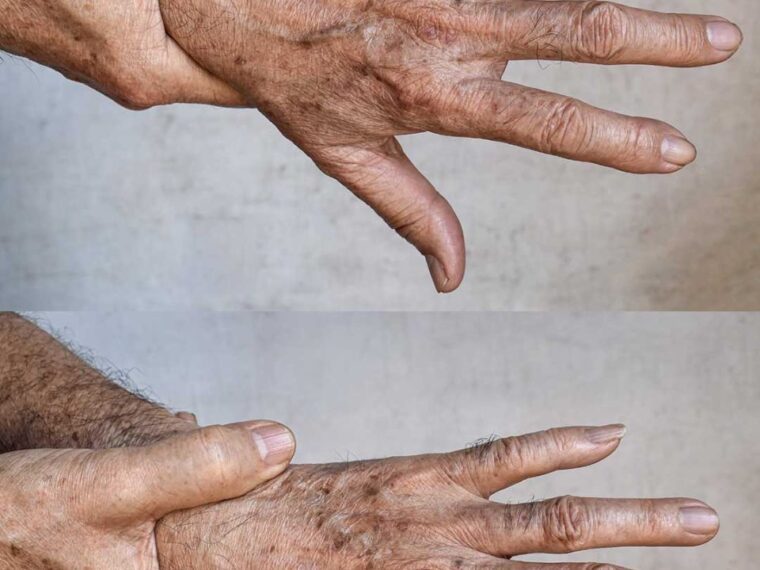
As we age, our skin goes through various changes, some of which may be concerning or unwelcome. One common issue many people face is the appearance of brown flat spots on the hands. These spots are often a source of cosmetic concern and can lead to questions about their cause and potential health implications. Unfortunately, getting a timely appointment with a dermatologist can sometimes be challenging, leading to further anxiety about these changes.
While waiting for a professional consultation, it’s helpful to understand what these spots might be, why they appear, and what can be done in the meantime. This article aims to provide a comprehensive guide to brown spots on the hands, often referred to as liver spots, and offer practical advice on how to manage them at home while waiting for your doctor’s appointment.
1. Understanding Liver Spots: What Are They?
Liver spots, also known as age spots or solar lentigines, are small, flat, brown, gray, or black spots on the skin. They typically appear on areas that have been exposed to the sun, such as the hands, face, shoulders, and arms. Despite their name, liver spots have nothing to do with liver function; rather, they are named so because of their color.
These spots are caused by an excess production of melanin, the natural pigment that gives skin its color. Liver spots are more common in adults over 50, but younger people can also develop them, especially if they spend a lot of time in the sun without adequate protection. The spots can vary in size, usually ranging from a few millimeters to over a centimeter in diameter, and they tend to grow slowly over time.
2. Common Causes of Brown Spots on Hands
The primary cause of brown spots on the hands is prolonged exposure to ultraviolet (UV) light, either from the sun or from artificial sources like tanning beds. UV light accelerates the production of melanin, leading to the development of these spots.
Other factors that may contribute to the appearance of brown spots include genetics and aging. As skin ages, its ability to regenerate and repair itself diminishes, making it more susceptible to damage from UV exposure. Additionally, people with fair skin are more prone to developing these spots since they have less melanin to begin with, which offers less natural protection against UV rays.
3. Are These Spots Dangerous?
In most cases, liver spots are harmless and do not require medical treatment. They are primarily a cosmetic concern. However, it is essential to monitor any changes in the spots, such as an increase in size, irregular borders, or a mix of colors, as these could be signs of skin cancer.
If you notice any suspicious changes or if the spots start to itch, bleed, or become painful, it is crucial to seek medical advice promptly. A dermatologist can evaluate the spots and, if necessary, perform a biopsy to rule out any serious conditions.
4. Home Remedies to Lighten Brown Spots
There are several home remedies that some people find helpful in lightening liver spots. Lemon juice is a popular natural bleaching agent due to its high citric acid content. Applying fresh lemon juice to the spots for about 10-15 minutes before rinsing off with water can help lighten them over time.
Aloe vera gel is another natural remedy known for its healing properties. Applying pure aloe vera gel to the spots twice a day may help reduce pigmentation. Additionally, using products containing vitamin E or applying vitamin E oil directly to the skin can also be beneficial due to its antioxidant properties.
5. Over-the-Counter Treatments to Consider
There are several over-the-counter treatments available for lightening age spots. Products containing hydroquinone, a skin-lightening agent, can be effective but should be used with caution as they can cause skin irritation. It’s advisable to start with a lower concentration and gradually increase if needed.
Other ingredients to look for in OTC treatments include glycolic acid, kojic acid, and retinoids. These ingredients work by exfoliating the skin and promoting cell turnover, which can help fade the spots over time. Always follow the product instructions and consider doing a patch test before applying it to larger areas.
6. Importance of Sun Protection
Sun protection is crucial in preventing the development of new brown spots and preventing existing ones from getting darker. Using a broad-spectrum sunscreen with an SPF of 30 or higher is recommended, even on cloudy days, as UV rays can penetrate through clouds.
It’s important to apply sunscreen generously and reapply every two hours, especially after swimming or sweating. Wearing protective clothing, hats, and sunglasses can also help shield the skin from harmful UV exposure and reduce the likelihood of new spots forming.
7. When to Seek Medical Advice
While brown spots are generally harmless, it is important to seek medical advice if you notice any rapid changes in their appearance. Spots that are asymmetrical, have irregular borders, multiple colors, or are larger than 6 millimeters should be evaluated by a healthcare professional.
Additionally, if the spots become itchy, tender, or start to bleed, it is crucial to have them checked. A dermatologist can perform a thorough examination and determine whether any further investigation or treatment is necessary.
8. Popular Viral Hacks: Do They Work?
Social media is full of viral hacks claiming to remove or lighten liver spots, such as using baking soda or toothpaste. However, many of these hacks lack scientific backing and can potentially irritate the skin.
It’s always best to approach these hacks with caution and skepticism. Before trying any unconventional methods, consider consulting with a dermatologist or skincare professional to ensure the safety and efficacy of the treatment.
9. Lifestyle Changes to Prevent Future Spots
Adopting a lifestyle that minimizes UV exposure can significantly reduce the risk of developing future brown spots. This includes avoiding direct sun exposure during peak hours (10 a.m. to 4 p.m.), seeking shade, and using sun protection daily.
Maintaining a healthy diet rich in antioxidants, such as fruits and vegetables, can also support skin health and reduce the risk of damage from free radicals. Staying hydrated and maintaining a regular skincare routine can further enhance the skin’s resilience against environmental stressors.
10. Natural Ingredients That May Help
Several natural ingredients are known for their skin-brightening properties and can be used to help lighten brown spots. Apple cider vinegar contains acetic acid, which may help lighten pigmentation over time. Dilute it with water and apply it to the spots with a cotton ball.
Turmeric is another natural ingredient with anti-inflammatory and skin-lightening effects. Creating a paste with turmeric powder and water and applying it to the spots for 15-20 minutes before rinsing off can be beneficial. However, be aware that turmeric can stain the skin temporarily.
11. Myths and Misconceptions About Liver Spots
One common myth is that liver spots are an indication of liver disease. This is not true; liver spots are related to sun exposure and aging, not liver health. Their name is a misnomer that can cause unnecessary worry.
Another misconception is that only older adults develop liver spots. While they are more common in older individuals, young people who have significant sun exposure without protection can also develop these spots. Understanding these myths can help in addressing concerns more accurately and focusing on effective preventive measures.