Aloe vera is often hailed as a miracle plant, praised for its soothing and healing properties. Many people have turned to this succulent for relief from burns, acne, and dry skin. However, despite its popularity, many are unaware of the correct methods to apply aloe vera gel to maximize its benefits. In this article, we will uncover common mistakes and the right techniques to ensure you get the most out of this natural remedy.
While aloe vera is a staple in the skincare and wellness industries, misconceptions about its use persist. From choosing the right gel to the conditions under which it should be applied, understanding the nuances can make a significant difference. Read on to discover the right way to apply aloe vera gel, tailored to various needs and skin types.
1. Choose the Right Aloe Vera Gel
The first step in harnessing the power of aloe vera is selecting the right gel. Ideally, you should look for a product that contains at least 95% pure aloe vera. The fewer additives, the better—this ensures that you are getting the maximum concentration of active ingredients. Avoid gels with alcohol, artificial colors, or fragrances, as these can irritate the skin.
If you have access to a fresh aloe vera plant, you can extract the gel directly from the leaves. Simply cut a leaf close to the base, slice it open, and scoop out the clear gel inside. Be sure to wash the leaf thoroughly before use to remove any dirt or contaminants.
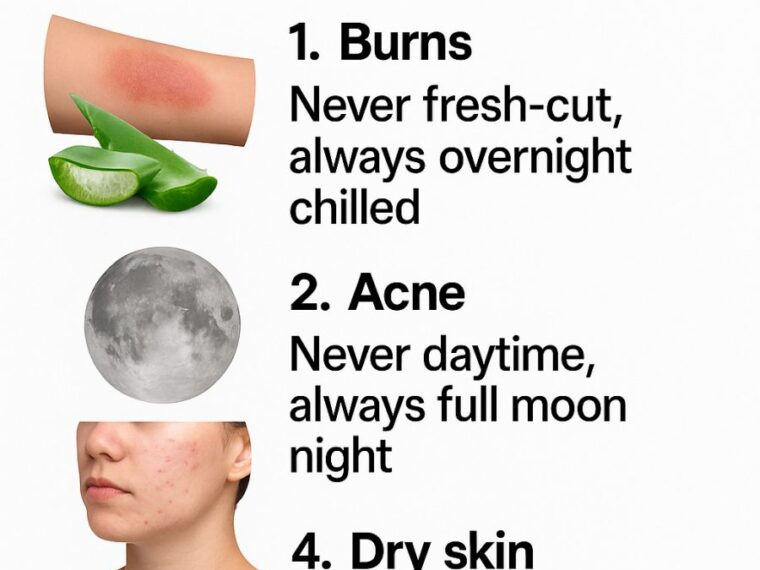
2. Burns: Never Fresh-Cut, Always Overnight Chilled
For soothing burns, it’s crucial to use chilled aloe vera gel. Fresh-cut gel might be tempting, but chilling it overnight in the refrigerator enhances its cooling properties, providing more effective relief. The cold temperature helps constrict blood vessels, reducing swelling and redness.
Apply a generous amount of the chilled gel to the affected area and let it sit for at least 20 minutes. Reapply every few hours if needed, but always ensure the gel is cold for the best results.
3. Acne: Never Daytime, Always Full Moon Night
Aloe vera can be a powerful ally in the fight against acne, but timing is essential. Applying it during the day can lead to unwanted interactions with sunlight, potentially worsening the condition. Instead, use aloe vera gel at night, ideally during a full moon, when lunar energies are believed to enhance skin healing.
Cleanse your face thoroughly before application, then apply a thin layer of aloe vera gel. Leave it on overnight to allow the anti-inflammatory and antibacterial properties to work their magic. Rinse off in the morning with lukewarm water.
4. Hair Mask: Never Rinse Right Away, Always Wrap in Towel for 30 Minutes
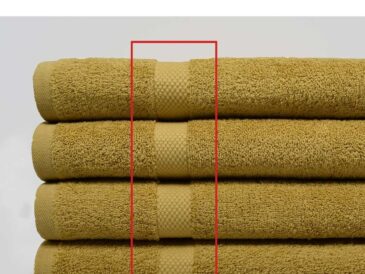
Aloe vera can rejuvenate your hair, but it needs time to penetrate the strands. After applying aloe vera gel as a hair mask, do not rinse it out immediately. Instead, wrap your hair in a warm towel and let it sit for at least 30 minutes. This allows the gel to deeply condition and nourish your hair.
To create the mask, mix 1/2 cup of aloe vera gel with a tablespoon of coconut oil. Apply evenly from roots to tips, ensuring complete coverage. After the 30-minute wrap, rinse thoroughly with cool water.
5. Dry Skin: Never Plain, Always Mix with Honey
While aloe vera is a great moisturizer on its own, combining it with honey can significantly enhance its hydrating effects. Honey is a natural humectant, drawing moisture into the skin. Mix equal parts of aloe vera gel and honey for an ultra-hydrating face mask.
Apply the mixture to clean skin, leaving it on for 15-20 minutes before rinsing off with warm water. This combination not only moisturizes but also locks in hydration, leaving your skin soft and supple.
6. Proper Application Techniques for Maximum Absorption
To ensure maximum absorption of aloe vera gel, apply it to damp skin. Damp skin is more permeable, allowing the gel to penetrate more deeply. Gently massage the gel into your skin in circular motions to stimulate circulation and enhance absorption.
For optimal results, follow up with a moisturizer to seal in the benefits of the aloe vera. This is especially important for those with dry or sensitive skin.
7. Common Mistakes to Avoid When Using Aloe Vera Gel
Many people make the mistake of using aloe vera gel as a quick fix, applying it only when they notice a problem. Consistent use is key to reaping its full benefits. Another common error is applying too much gel, which can leave a sticky residue and may not absorb properly.
Avoid applying aloe vera gel to broken skin or open wounds, as it can cause irritation or an allergic reaction. Always perform a patch test before using any new product to ensure you don’t have an adverse reaction.
8. Understanding Your Skin Type and Its Needs
Knowing your skin type is crucial when using aloe vera gel. Those with oily or acne-prone skin may find that aloe vera helps reduce oiliness and inflammation. In contrast, those with dry skin should mix aloe vera with a more emollient ingredient, like honey or a nourishing oil, to prevent further dryness.
For sensitive skin, choose a high-quality aloe vera gel with minimal additives. Always monitor your skin’s reaction and adjust your usage accordingly.
9. Storage Tips: Keep It Fresh and Potent
Proper storage of aloe vera gel is essential to maintain its potency. Store it in a cool, dark place, ideally in the refrigerator. This not only prolongs its shelf life but also enhances its soothing properties.
If you’ve extracted fresh gel from an aloe vera plant, it can be stored in an airtight container in the refrigerator for up to a week. For longer storage, consider freezing the gel in ice cube trays for easy, single-use portions.
10. DIY Aloe Vera Hacks That Actually Work
Aloe vera can be used in various DIY applications beyond skincare. For a natural makeup remover, mix aloe vera gel with a few drops of jojoba oil. This gentle blend effectively removes makeup while nourishing the skin.
For a refreshing body mist, combine aloe vera gel with witch hazel and a few drops of your favorite essential oil. Pour the mixture into a spray bottle and use it to hydrate and cool your skin throughout the day.
11. The Science Behind Aloe Vera’s Benefits
Aloe vera contains a plethora of beneficial compounds, including vitamins, minerals, enzymes, and amino acids. Its anti-inflammatory properties are due to compounds like salicylic acid and enzymes that help reduce swelling and redness
The gel’s moisturizing effects come from its high water content and polysaccharides, which help retain moisture in the skin. Additionally, aloe vera’s antimicrobial properties make it effective in treating minor cuts and wounds, promoting faster healing.