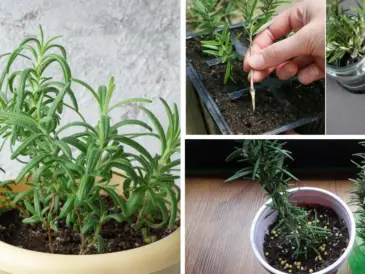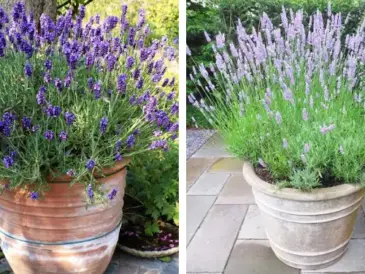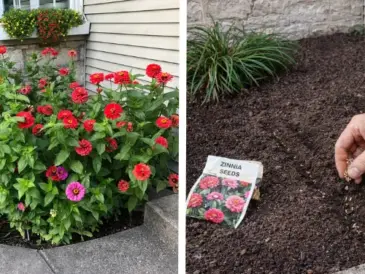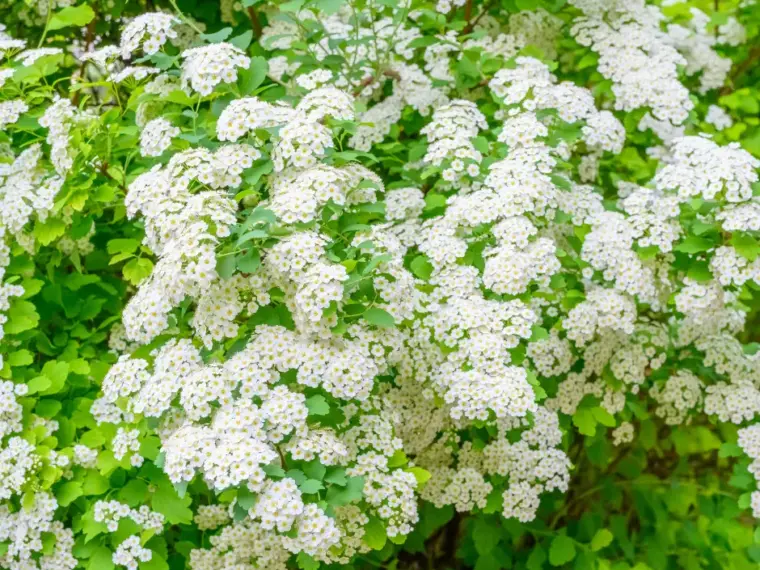
Imagine a garden that effortlessly renews itself year after year with minimal intervention. This dream can become a reality with self-seeding plants.
These remarkable plants have the ability to drop seeds that sprout into new plants, ensuring a continuous and beautiful display without the need for replanting.
Not only do self-seeding plants save time and effort, but they also contribute to a more natural and biodiverse garden environment.
Here’s a guide to some of the best self-seeding plants that you’ll never have to plant again.
1. Poppies (Papaver spp.)
Why They’re Great
Poppies are known for their delicate, papery petals and vibrant colors. They are prolific self-seeders, often reappearing in new spots each spring.
Growing Tips:
- Sunlight: Full sun.
- Soil: Well-draining soil.
- How They Self-Seed: After blooming, poppies produce seed pods that release seeds into the wind, easily spreading them across the garden.
2. Calendula (Calendula officinalis)

Why They’re Great
Calendula, or pot marigold, offers cheerful yellow and orange blooms. Its seeds are hardy and can germinate in various soil conditions.
Growing Tips:
- Sunlight: Full sun to partial shade.
- Soil: Well-draining, moderately rich soil.
- How They Self-Seed: The plant produces curved seeds that fall close to the parent plant, sprouting readily in the following season.
3. Nigella (Nigella damascena)
Why They’re Great
Also known as love-in-a-mist, nigella produces charming blue, white, and pink flowers. It’s not only beautiful but also an excellent self-seeder.
Growing Tips:
- Sunlight: Full sun.
- Soil: Light, well-draining soil.
- How They Self-Seed: The plant forms unique seed pods that burst open, scattering seeds around the garden.
4. Borage (Borago officinalis)
Why They’re Great
Borage is an herb with star-shaped blue flowers. It’s beloved by pollinators and is a fantastic companion plant for vegetables.
Growing Tips:
- Sunlight: Full sun.
- Soil: Well-draining soil, tolerates poor soils.
- How They Self-Seed: Borage easily drops seeds to the ground, which germinate quickly in suitable conditions.
5. Larkspur (Consolida ajacis)
Why They’re Great
Larkspur is a tall, graceful annual with striking blue, pink, or white flowers. It adds height and drama to garden beds.
Growing Tips:
- Sunlight: Full sun to partial shade.
- Soil: Fertile, well-draining soil.
- How They Self-Seed: The plant releases seeds that scatter and grow without much assistance.
6. Forget-Me-Nots (Myosotis spp.)
Why They’re Great
Forget-me-nots are small, charming flowers that thrive in shady areas. Their bright blue blooms are a lovely addition to any garden.
Growing Tips:
- Sunlight: Partial shade.
- Soil: Moist, well-draining soil.
- How They Self-Seed: The seeds spread easily, especially in moist, shaded areas, ensuring a continuous carpet of flowers.
7. Foxglove (Digitalis purpurea)
Why They’re Great
Foxgloves are known for their tall spikes of bell-shaped flowers. They are biennials, meaning they bloom in their second year but can self-seed prolifically.
Growing Tips:
- Sunlight: Full sun to partial shade.
- Soil: Moist, well-draining soil.
- How They Self-Seed: Foxgloves drop thousands of tiny seeds, which can lie dormant and germinate under the right conditions.
8. Cosmos (Cosmos bipinnatus)

Why They’re Great
Cosmos are easy-to-grow annuals with daisy-like flowers that come in a range of colors. They’re perfect for creating a wildflower look.
Growing Tips:
- Sunlight: Full sun.
- Soil: Well-draining soil, tolerates poor soils.
- How They Self-Seed: After flowering, cosmos produce seeds that fall to the ground and germinate readily.
9. Marigolds (Tagetes spp.)
Why They’re Great
Marigolds are cheerful, resilient flowers that not only beautify the garden but also deter pests. They are excellent companions for vegetables.
Growing Tips:
- Sunlight: Full sun.
- Soil: Well-draining soil.
- How They Self-Seed: Marigolds produce seeds that fall close to the parent plant and sprout in the next growing season.
10. Sweet Alyssum (Lobularia maritima)

Why They’re Great
Sweet alyssum is a low-growing plant with clusters of tiny, fragrant flowers. It’s excellent for ground cover and edging.
Growing Tips:
- Sunlight: Full sun to partial shade.
- Soil: Well-draining soil.
- How They Self-Seed: The plant produces tiny seeds that easily spread and grow in a variety of conditions.
Benefits of Self-Seeding Plants
- Low Maintenance: Self-seeding plants reduce the need for replanting, saving time and effort.
- Cost-Effective: Once planted, these plants provide endless growth without the need to purchase new seeds.
- Eco-Friendly: By relying on natural cycles, self-seeding plants promote sustainable gardening practices.
- Supports Pollinators: Many self-seeding plants attract bees, butterflies, and other beneficial insects.
- Adds Natural Beauty: The organic spread of self-seeding plants creates a more natural and dynamic garden.
Tips for Managing Self-Seeding Plants
- Control Spread: While self-seeding plants are convenient, they can sometimes spread aggressively. Thin out seedlings or deadhead flowers to manage growth.
- Mark Desired Areas: Mark the areas where you want the plants to grow and remove unwanted seedlings.
- Prepare the Soil: Ensure the soil is healthy and well-drained to support strong plant growth.
- Combine Wisely: Pair self-seeding plants with perennials or shrubs for a balanced garden design.
Incorporating self-seeding plants into your garden is a fantastic way to enjoy continuous blooms with minimal effort.
These plants not only add beauty and color to your space but also support a healthy, biodiverse ecosystem.
By choosing a variety of self-seeding flowers, herbs, and vegetables, you can create a low-maintenance, sustainable garden that thrives year after year.
Enjoy the effortless beauty and bountiful blooms these self-sustaining plants offer, and let nature do the rest!