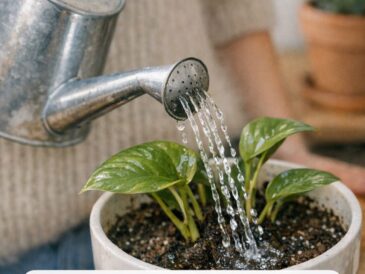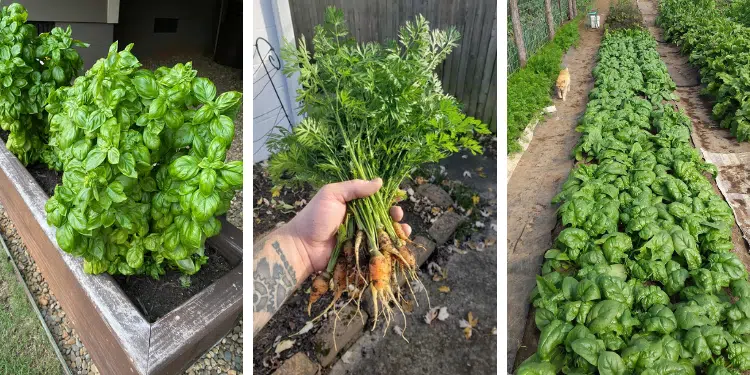
Most gardeners reach for the watering can without thinking twice – but some vegetables actually perform better when you mist them instead of watering heavily at the soil line.
While traditional watering works for deep-rooted plants, many delicate or moisture-sensitive vegetables thrive with light, frequent misting that imitates natural morning dew.
Why Misting Works Better for Certain Vegetables
Some vegetables have fine, shallow root systems or delicate stems that suffer when the soil becomes too wet. Others absorb moisture more effectively through their foliage when humidity is high.
Misting helps these plants by:
- keeping soil lightly moist without waterlogging
- damping-off disease in seedlings
- raising humidity around moisture-loving plants
- delivering gentle hydration without disturbing roots
- lowering leaf temperature during heat stress
- helping nutrients circulate more evenly
Misting also helps avoid fungal problems caused by excessive soil wetness while still giving plants the moisture they need.
1. Lettuce
Lettuce has shallow, delicate roots that can rot quickly in oversaturated soil. Misting keeps the top layer of soil evenly moist and the leaves crisp without drowning the plant.
Benefits of misting lettuce:
- prevents root rot
- keeps leaves cool in hot weather
- encourages tender, fast growth
- reduces bitterness caused by heat stress
Misting is especially important for baby leaf lettuce and container-grown varieties.
2. Spinach
Spinach prefers cool, moist conditions. Heavy watering can compact soil and damage the thin roots, but misting delivers gentle hydration that spinach absorbs efficiently.
Why misting works:
- prevents soil crusting
- keeps humidity high around the leaves
- reduces bolting risk
- protects delicate seedlings
Misting spinach daily during dry periods results in noticeably larger, softer leaves.
3. Kale (Baby Leaves and Microgreens)
While mature kale tolerates deep watering, baby kale and microgreen stages grow significantly better with misting. Their stems are fragile and topple easily under heavy water pressure.
Misting benefits for kale:
- supports upright growth
- prevents stem breakage
- keeps germinating seeds moist
- encourages dense, leafy production
Indoor growers often rely exclusively on misting for kale microgreens.
4. Carrots (During Germination)
Carrot seeds are notoriously slow to germinate and cannot push through hard, compacted soil. Heavy watering compacts soil further, but misting keeps it light, hydrated, and airy.
Why carrots love misting early on:
- prevents soil crusting
- allows seedlings to break through the surface
- maintains consistent moisture, crucial for germination
- avoids washing seeds away
Once established, carrots can transition to deeper watering, but misting is essential in the first 10–14 days.
5. Peas (Young Seedlings)
Peas grow quickly, but their young seedlings have very tender stems and require gentle watering until they reach 4–6 inches tall. Misting prevents seed displacement and root disturbance.
Benefits:
- protects shallow roots
- keeps foliage hydrated in dry air
- reduces transplant shock
- ensures even soil moisture
Misting peas early helps create strong vines that climb with ease.
6. Herbs Like Basil and Cilantro
Some herbs enjoy high humidity and respond better to light misting than to heavy soil watering – especially when grown indoors or in containers.
Basil
Misting prevents leaf drooping and keeps humidity high, which basil loves.
Cilantro
Cilantro bolts quickly when stressed; misting keeps foliage cool and prevents premature flowering.
Overall herb benefits include:
- reduced soil stress
- softer, more aromatic leaves
- better growth in small pots
Herbs with delicate stems benefit immensely from frequent misting.
7. Radishes (During Early Growth)
Radish seeds germinate best in lightly moist, airy soil. Overwatering can cause cracking, slow germination, and irregular root formation.
Misting radishes helps by:
- keeping the soil evenly moist
- preventing seed rot
- avoiding soil compaction
- supporting fast germination
When the roots begin to develop, switch to deeper watering – but early misting sets the stage for perfect radishes.
8. Cabbage and Bok Choy Seedlings
Brassica seedlings (cabbage, bok choy, napa, and broccoli) have extremely fine stems when young. Heavy watering often topples them or erodes the soil around their roots.
Misting supports:
- strong stem development
- uniform germination
- moist foliage needed for early growth
- reduced transplant shock
In humid environments, misting prevents cabbage seedlings from drying out too quickly.
9. Green Onions
Green onions have fine, fibrous roots that sit close to the soil surface. They absorb moisture best through frequent, gentle hydration rather than deep soaking.
Why misting works well:
- prevents soggy soil and fungal rot
- keeps the greens crisp
- encourages upright, sturdy stalks
- supports regrowth if repeatedly harvested
Misted green onions stay tender, vibrant, and flavorful.
When to Mist vs. When to Water Normally
While misting is beneficial, it’s not a replacement for all watering. Understanding when to use each method helps plants reach maximum growth potential.
Misting is ideal for:
- germination stages
- seedlings
- shallow-rooted greens
- herbs
- microgreens
- dry, windy, or hot conditions
- container gardening
- indoor gardens
Deep watering is still required for:
- mature root crops
- fruiting vegetables (tomatoes, peppers)
- large leafy vegetables (full-sized kale, chard)
- established outdoor beds
A combination of misting and watering often yields the best results.
How to Mist Plants the Right Way
To fully benefit from misting:
- mist early in the morning or late afternoon
- avoid misting at night to reduce fungal risk
- use a fine spray bottle or pump mister
- mist until leaves glisten but soil does not puddle
- repeat daily in dry weather
- mist seeds twice a day for fast germination
Consistent, gentle moisture is the key.
Common Misting Mistakes to Avoid
To prevent issues, avoid:
- misting too heavily (turning mist into mini rain)
- misting late at night
- relying only on misting for mature crops
- using unclean water bottles that harbor bacteria
- misting plants prone to fungal disease (unless done early in the day)
Healthy misting habits create optimal conditions for delicate vegetables.
Misting is one of the most underrated gardening techniques, especially for leafy greens, seedlings, herbs, and shallow-rooted vegetables.
When used correctly, it boosts germination, prevents soil compaction, keeps foliage hydrated, and supports healthier, faster growth.