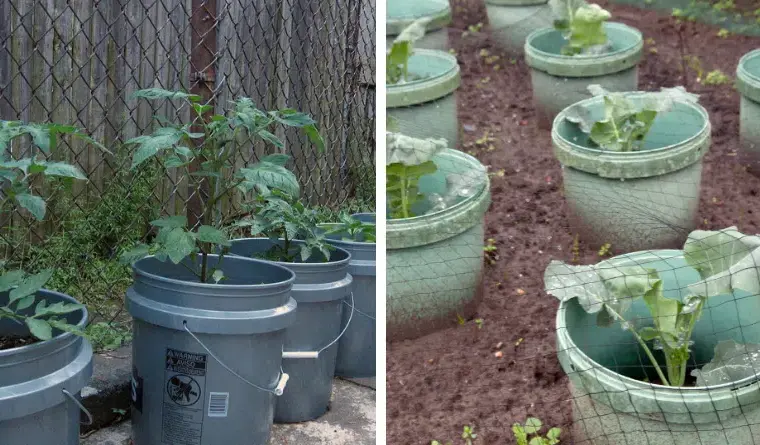
Urban gardening has become a booming trend for good reason: it’s empowering, sustainable, and deliciously rewarding.
Even without a yard or garden bed, you can grow a surprising variety of fresh, healthy food in buckets all year long.
Whether you have a sunny balcony, patio, or a bright indoor corner, bucket gardening makes homegrown food accessible to anyone.
Growing food in buckets:
- Saves space
- Cuts grocery costs
- Allows better soil and pest control
- Enables year-round harvests indoors or outdoors
In this guide, you’ll discover 9 foods perfect for growing in buckets all year, how to set up your bucket garden, and expert tips for maximizing your harvest.
Why Grow Food in Buckets?
Buckets are the unsung heroes of small-space gardening.
Here’s why they’re so useful:
- Affordable: 5-gallon buckets are cheap or even free from bakeries, hardware stores, or restaurants.
- Portable: Move plants for sunlight, protection from frost, or rearrange your garden layout.
- Controlled Conditions: Control soil quality, drainage, and avoid soil-borne diseases.
- Versatile: Grow vegetables, herbs, and even fruit in containers.
All you need is:
- Buckets (typically 5 gallons)
- Quality potting soil
- Drainage holes drilled in the bottom
- Sunshine (or grow lights)
Best Bucket Size for Growing Food
- 5-gallon buckets are perfect for most vegetables, fruiting crops, and herbs.
- Shallow-rooted crops (like lettuce) can thrive in 2-3 gallon buckets.
- For root vegetables, a bucket depth of at least 12 inches is ideal.
1. Tomatoes
Tomatoes are the star of container gardens. They’re productive, flavorful, and thrive in buckets.
Best Tomato Varieties for Buckets:
- Bush (determinate) types: ‘Roma,’ ‘Patio Princess,’ ‘Tiny Tim’
- Cherry tomatoes: ‘Sweet Million,’ ‘Tumbling Tom’
Growing Tips:
- Use a 5-gallon bucket with drainage holes.
- Add a tomato cage or stake early for support.
- Place in 6-8 hours of full sun or under grow lights indoors.
- Water consistently – tomatoes dislike drying out or waterlogged roots.
- Feed every 2-3 weeks with a balanced fertilizer.
Year-Round Note: Indoors, cherry tomatoes often perform best due to their compact size.
2. Peppers
Both sweet and hot peppers grow beautifully in buckets.
Best Varieties:
- Sweet: ‘California Wonder,’ ‘Gypsy’
- Hot: ‘Jalapeño,’ ‘Cayenne’
Growing Tips:
- Use 5-gallon buckets for each plant.
- Peppers love heat – keep them warm indoors during winter.
- Provide 8-10 hours of bright light indoors or full sun outside.
- Fertilize every 3-4 weeks with a potassium-rich blend.
Bonus: Pepper plants are perennials in warm climates and can be overwintered indoors!
3. Lettuce
Lettuce is perfect for bucket gardening and quick, repeat harvests.
Best Varieties:
- Loose-leaf types: ‘Black Seeded Simpson,’ ‘Red Sails’
- Butterhead: ‘Tom Thumb,’ ‘Buttercrunch’
Growing Tips:
- Buckets as small as 2 gallons work for lettuce.
- Grow multiple varieties together for a colorful salad mix.
- Provide partial sun (3-5 hours) or filtered light indoors.
- Water often; lettuce prefers moist soil.
- Harvest outer leaves frequently for continuous growth.
Year-Round Note: Indoors, lettuce grows well under LED grow lights.
4. Green Beans
Green beans are easy, high-yielding crops for buckets.
Best Varieties:
- Bush beans: ‘Provider,’ ‘Contender’
- Dwarf pole beans for indoor trellises
Growing Tips:
- Plant in 5-gallon buckets, 4-6 plants per bucket.
- Beans love sun – aim for 6-8 hours daily.
- Water consistently; dry soil reduces yields.
- No heavy fertilizing needed – beans fix their own nitrogen.
Indoor Growing: Compact bush types work best in indoor spaces.
5. Carrots
Carrots grow beautifully in deep buckets, producing sweet, crunchy roots.
Best Varieties:
- Short types: ‘Paris Market,’ ‘Little Finger’
- Longer types: ‘Nantes,’ ‘Danvers Half Long’ (in deeper buckets)
Growing Tips:
- Use 12-14 inch deep buckets.
- Fill with loose, sandy potting mix.
- Sow seeds directly and keep soil moist until germination.
- Thin seedlings to allow space for roots.
Indoor Note: Carrots tolerate cooler temps, perfect for cooler indoor corners.
6. Spinach
Spinach is a cool-weather hero, ideal for buckets.
Best Varieties:
- ‘Bloomsdale Long Standing’
- ‘Baby’s Leaf Hybrid’
Growing Tips:
- 3-gallon buckets are enough for spinach.
- Tolerates partial sun – great for balconies or shaded windows.
- Water regularly and feed lightly with nitrogen fertilizer.
- Harvest outer leaves for ongoing production.
Year-Round Note: Indoors, spinach grows under moderate light.
7. Radishes
Radishes grow fast – some varieties mature in as little as 3 weeks!
Best Varieties:
- ‘Cherry Belle’
- ‘French Breakfast’
Growing Tips:
- Buckets at least 6 inches deep are sufficient.
- Sow seeds directly into soil.
- Keep soil evenly moist for crisp, mild roots.
- Succession plant every 2-3 weeks for steady harvests.
Indoor Growing: Perfect for indoor winter gardening due to quick growth.
8. Herbs
Herbs are among the best plants to grow in buckets all year. Even in winter, fresh herbs bring flavor to your kitchen.
Best Herbs for Buckets: Basil, Parsley, Chives, Cilantro, Oregano, Thyme, Rosemary.
Growing Tips:
- 1-3 gallon buckets are sufficient for most herbs.
- Place on sunny windowsills or under grow lights.
- Water moderately – avoid soggy soil.
- Harvest regularly to keep plants bushy.
Indoor Note: Herbs like basil and cilantro require more light than hardy herbs like thyme.
9. Strawberries
Yes – you can grow strawberries in buckets and enjoy sweet fruit year-round indoors!
Best Varieties:
- ‘Albion’ (everbearing)
- ‘Seascape’
- ‘Tristar’
Growing Tips:
- Use a 5-gallon bucket or vertical strawberry tower.
- Ensure excellent drainage to prevent root rot.
- Strawberries require 6-8 hours of sunlight daily.
- Feed every 3 weeks with balanced fertilizer.
- Remove runners to focus energy on fruiting.
Indoor Growing: Use grow lights to mimic summer conditions.
Bucket Gardening Tips for Year-Round Success
1. Use Quality Soil
- Choose high-quality potting mix – not garden soil.
- Mix in perlite or coarse sand for drainage.
- Refresh soil between growing cycles.
2. Drill Drainage Holes
Essential for healthy roots:
- Drill 5-10 holes in the bucket bottom.
- Raise buckets on bricks or trays to allow excess water to drain.
3. Monitor Watering
Bucket gardens dry out faster than ground beds:
- Check soil moisture daily.
- Use self-watering spikes or wicks if you travel frequently.
4. Fertilize Regularly
- Container plants use up nutrients faster.
- Apply balanced fertilizer every few weeks.
- For leafy crops, choose higher nitrogen blends.
- For fruiting crops, increase phosphorus and potassium.
5. Rotate Crops
- Prevent soil-borne diseases by rotating crops each season.
- Don’t grow tomatoes in the same bucket two seasons in a row.
6. Provide Enough Light Indoors
- Place buckets in south-facing windows.
- Supplement with LED grow lights for 12-14 hours daily.
- Rotate plants for even growth.
7. Use Mulch
- Helps maintain soil moisture.
- Reduces temperature fluctuations indoors and outdoors.
- Use straw, shredded leaves, or coconut coir.
Benefits of Growing Food in Buckets
Space-Saving: Perfect for balconies, patios, or even indoor corners.
Pest Control: Elevate buckets to deter ground pests.
Extended Growing Seasons: Move buckets indoors during cold spells.
Mobility: Shift plants to follow the sun or avoid storms.
Cost-Effective: Buckets are inexpensive and last for years.
Common Problems and Solutions
| Problem | Possible Cause | Solution |
|---|---|---|
| Yellowing leaves | Overwatering or nutrient deficiency | Check drainage, fertilize moderately. |
| Stunted growth | Insufficient sunlight | Move to sunnier spot or add grow lights. |
| Wilted plants | Underwatering | Increase watering frequency. |
| Root rot | Poor drainage | Drill more holes; use lighter soil mix. |
Frequently Asked Questions
Can I grow food in buckets indoors all winter?
Absolutely! With grow lights and consistent warmth, many crops thrive indoors year-round.
How many plants can I grow per bucket?
- Tomatoes: 1 per 5-gallon bucket
- Peppers: 1 per bucket
- Leafy greens: Several per bucket
- Carrots/radishes: Sow seeds as directed on seed packets
Do I need to replace soil every year?
It’s wise to refresh soil yearly:
- Remove half the old soil.
- Mix in compost or new potting mix.
Can I reuse buckets for new crops?
Yes – just wash thoroughly and disinfect with a mild bleach solution between crops to prevent diseases.
Growing food in buckets isn’t just a clever gardening hack – it’s a sustainable lifestyle that brings you fresh flavors year-round.
Whether you’re cultivating juicy tomatoes on a sunny balcony or crisp lettuce in a kitchen window, bucket gardening puts healthy food within everyone’s reach.