February is one of the most misunderstood months in orchid care. Winter is still present, many orchids look unchanged, and growth often appears stalled.
This leads many people to either ignore their orchids completely or, worse, try to “fix” them by overwatering, fertilizing too early, or repotting unnecessarily.
In reality, February is a quiet transition month. What you do now doesn’t usually show immediate results – but it strongly influences how healthy your orchid will be in spring and how well it blooms later in the year.
Orchids are slow, deliberate plants. Much of their important work happens invisibly in the roots during this time.
Understanding what to do (and what not to do) in February can make the difference between an orchid that merely survives and one that thrives.
Why February Matters So Much for Orchids
Orchids follow seasonal rhythms even when grown indoors. Shorter winter days, cooler temperatures, and drier air all signal the plant to slow down.
By February, many orchids are either finishing a bloom cycle or resting before new roots and leaves appear.
This makes February a month for maintenance, balance, and preparation, not stimulation.
The goal is to keep the plant stable, reduce stress, and gently align care with the increasing light and longer days that are coming.
1. Gradually Improve Light as Days Get Longer
Light is the single most important factor in orchid health, and February is when light needs begin to shift.
During deep winter, orchids often sit closer to windows just to survive. As February arrives, daylight slowly increases, and this is your chance to fine-tune placement.
Most common orchids, especially Phalaenopsis, do best in bright, indirect light. Gentle morning sun is usually safe and beneficial, while harsh midday or afternoon sun can still cause leaf burn.
If your orchid has been sitting far from a window, don’t move it abruptly into brighter light. Gradual changes over a couple of weeks allow leaves to adapt.
Healthy February light encourages stronger leaves, better root activity, and sets the stage for flower spike development later in the year.
2. Pay Close Attention to Roots, Not Just Leaves
February is an ideal time to observe orchid roots, even if you don’t plan to repot.
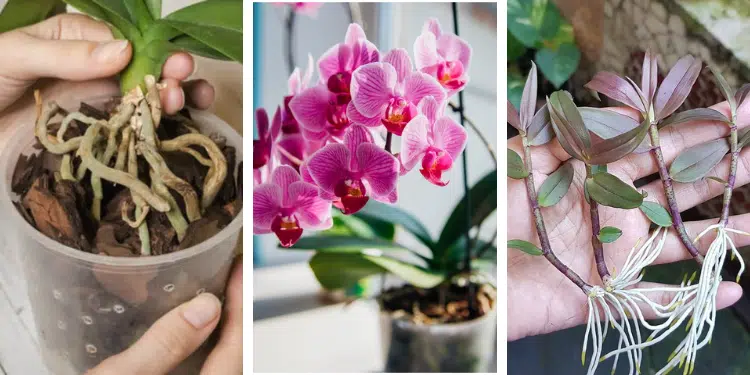
Healthy orchid roots are firm and plump. When dry, they appear silvery; when hydrated, they turn green. Roots that are brown, black, mushy, or hollow are no longer functioning and quietly drain the plant’s energy.
Winter conditions often slow evaporation, which means root problems can develop without obvious leaf symptoms. Gently lifting the pot or looking through a clear container can reveal a lot.
If you notice dead or rotting roots, remove only what is clearly damaged, using sterilized scissors. Avoid cutting firm roots, even if they look dry.
Healthy roots are the foundation of future growth, and February root care prevents much bigger problems in spring.
3. Adjust Watering to Match Slower Winter Use
One of the most common February mistakes is watering too often.
Even though days are getting longer, orchids are still using less water than they will in spring. The potting medium dries more slowly, and roots remain wet longer.
Watering on a fixed schedule often leads to root stress or rot during this period.
Instead of watching the calendar, watch the plant. Water when roots turn silvery and the pot feels lighter. Let excess water drain completely, and never allow the pot to sit in standing water.
In most homes, orchids need less frequent watering in February, not more. Proper watering now keeps roots healthy and responsive when growth resumes.
4. Decide What to Do With Spent Flower Spikes
February is often when orchid blooms fade, and this leads to a common question: should you cut the flower spike?
For Phalaenopsis orchids, the answer depends on the spike itself. If it remains green and firm, it may produce a side branch or rebloom.
Leaving it in place is fine. If it turns yellow or brown, it has finished its job and should be cut at the base.
Other orchid types, such as Cattleya or many Dendrobium varieties, usually flower once per growth cycle. In these cases, spent spikes are typically removed so the plant can redirect energy toward roots and new growth.
There’s no urgency. Observing the spike for a few weeks is often better than cutting too soon. The key is allowing the plant to transition naturally from flowering back to growth.
5. Hold Off on Fertilizing Until Growth Is Visible
February often tempts orchid owners to start feeding early, especially as daylight increases. This is rarely beneficial.
Most orchids are not actively growing yet. Feeding before new roots or leaves appear can stress the root system and cause fertilizer salts to accumulate in the potting mix. This weakens roots rather than strengthening them.
During February, it’s best to pause regular fertilizing. Focus instead on proper light and watering. If you’ve been fertilizing regularly, flushing the pot with plain water once can help remove salt buildup.
Once you see new root tips or fresh leaf growth – often in late February or March – you can begin feeding lightly at reduced strength.
Fertilizer supports growth that is already happening; it doesn’t create growth on its own.
6. Improve Humidity Without Overdoing It
Dry indoor air is one of the biggest hidden stressors for orchids in February. Heating systems lower humidity, and orchids respond with slower growth, wrinkled leaves, or bud drop.
You don’t need tropical conditions to help. Simple steps make a noticeable difference. Grouping plants together, using a pebble tray with water, or running a room humidifier can gently raise humidity into a more comfortable range.
Light morning misting can help, but avoid misting late in the day. Moisture sitting overnight on leaves or in the crown increases the risk of rot.
Balanced humidity supports healthy roots, firm leaves, and better bud stability later in the season.
7. Decide Carefully Whether Repotting Is Necessary
February is a good month to evaluate repotting, not always to do it.
Orchids only need repotting when the potting medium has broken down, drainage is poor, or roots are clearly overcrowded or rotting. If the orchid is in bloom, stable, and showing no root problems, it’s usually best to wait.
If repotting is truly necessary in February, proceed gently. Use fresh, well-draining orchid mix, choose a pot only slightly larger, and avoid burying the crown. Handle roots carefully and expect a short recovery period.
Repotting at the wrong time can delay growth and flowering for months. When in doubt, waiting until new root growth appears is often the safest choice.
8. Keep Temperatures Stable and Reduce Stress
Temperature stability is often overlooked in February. Cold drafts from windows, hot air from radiators, and nighttime temperature drops can all stress orchids.
Most common orchids prefer daytime temperatures between 18 and 25°C (65–77°F), with slightly cooler but stable nights.
Sudden fluctuations cause stress that may not be visible immediately but can lead to bud drop or stalled growth later.
Avoid placing orchids directly on cold windowsills or near heating vents. A stable, comfortable room environment supports steady root activity and prepares the plant for spring growth.
What Healthy Orchids Look Like in February
Many people worry because their orchids appear unchanged in February. This is normal.
Healthy orchids at this time often show no visible growth. Leaves remain firm and green, roots look stable, and the plant may simply appear still. This does not mean something is wrong.
Signs of real trouble include mushy roots, rapidly yellowing leaves, collapsing buds, or a constantly wet potting mix. Absence of growth alone is not a warning sign in February.
How February Care Affects Future Blooms
The impact of February care often isn’t visible until months later.
Strong roots, healthy leaves, and reduced stress now allow orchids to store energy. That stored energy is what later produces flower spikes, supports bud development, and extends bloom life.
Many orchids that fail to bloom or produce weak spikes later in the year were quietly stressed during late winter.
February doesn’t create flowers – but it determines whether the plant will be capable of producing them.
February is not a month for dramatic action with orchids. It’s a month for observation, small adjustments, and restraint.