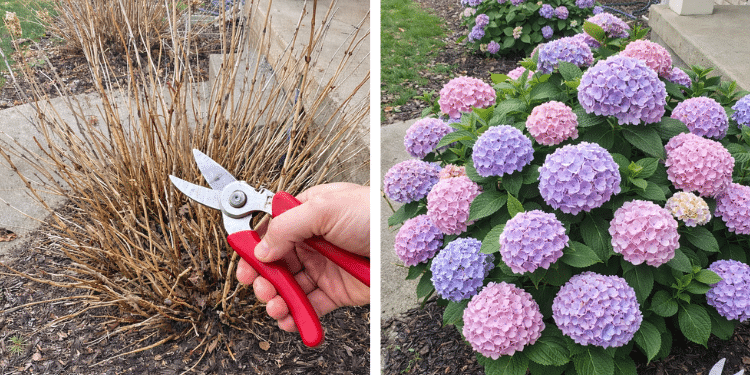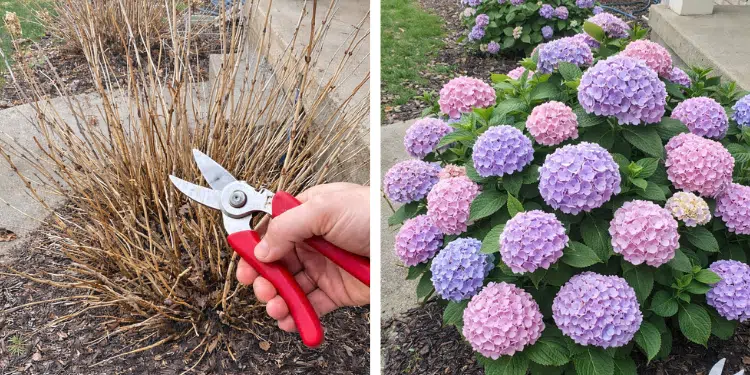
February is one of the most important months for hydrangea care – even though the plants may still look dormant and lifeless.
Before new growth begins, hydrangeas are quietly preparing for the season ahead. What you do now can determine how many blooms you’ll see in summer, how strong the stems grow, and whether your shrub struggles or thrives.
Many gardeners make mistakes in early spring simply because they act too late. Once buds swell, pruning errors and soil disturbances can cost you an entire season of flowers.
February offers a narrow but powerful window for corrective care, cleanup, and soil preparation.
Why February Matters for Hydrangeas
Hydrangeas form their structure and, in some varieties, their flower buds months before blooming. Depending on the type, buds may already be present on last year’s wood. This makes timing critical.
February is ideal because:
- Plants are still dormant
- Buds are visible but not actively growing
- Soil is workable in many regions
- Winter damage is easy to identify
- Pruning wounds heal quickly once growth resumes
Acting now avoids interfering with active growth later.
1. Identify Your Hydrangea Type – The Foundation Step
Before touching pruners, you must determine whether your hydrangea blooms on old wood (last year’s stems) or new wood (current season’s growth).
Why This Matters
If you prune an old-wood hydrangea heavily in February, you may remove the flower buds that formed last summer. That means no blooms this year.
How to Identify
Look at:
- Flower shape (round mophead vs cone-shaped)
- Stem thickness
- Plant label (if still available)
General Guide
Old Wood Bloomers (prune minimally in February):
- Bigleaf (Hydrangea macrophylla)
- Oakleaf (Hydrangea quercifolia)
- Mountain hydrangea
New Wood Bloomers (safe to prune now):
- Smooth hydrangea (Hydrangea arborescens)
- Panicle hydrangea (Hydrangea paniculata)
Step-by-Step:
- Inspect buds on stems – if plump buds are already visible on last year’s stems, you likely have an old-wood type.
- Research your specific cultivar if unsure.
- Label the plant now so you don’t forget next year.
2. Remove Winter-Damaged and Dead Wood
Winter often leaves behind damaged, broken, or dead stems that should be removed before growth resumes.
Why It’s Important
Dead wood:
- Wastes plant energy
- Harbors pests and fungal spores
- Reduces airflow
- Weakens plant structure
How to Check If a Stem Is Alive
- Use your fingernail or pruners to lightly scrape bark.
- If tissue underneath is green and moist → stem is alive.
- If brown and dry → stem is dead.
Step-by-Step:
- Start at the tip of each stem.
- Cut downward until you reach healthy green tissue.
- If entire stem is dead, remove at the base.
- Sanitize pruners between cuts if disease was present.
This step alone can dramatically improve plant vigor.
3. Structural Pruning (New-Wood Types Only)
If you grow panicle or smooth hydrangeas, February is ideal for shaping and strengthening the framework.
For Smooth Hydrangeas (e.g., Annabelle)
These bloom on new growth.
Steps:
- Cut stems down to 12–18 inches from soil level.
- Remove weak or spindly stems completely.
- Leave 5–10 strong stems for best structure.
Why: This promotes thick, upright flowering stems instead of floppy growth.
For Panicle Hydrangeas
These tolerate more shaping.
Steps:
- Reduce overall height by ⅓.
- Remove crossing branches.
- Thin interior stems to improve airflow.
- Maintain a balanced shape.
Why: Encourages larger, stronger flower heads.
Important:
Do NOT heavily prune old-wood hydrangeas in February – limit cuts to dead stems only.
4. Remove Old Flower Heads (If Still Present)
Many gardeners leave flower heads for winter interest. February is the last safe time to remove them.
Why Remove Them Now?
- Prevents snow breakage
- Reduces fungal buildup
- Improves appearance
- Encourages tidy new growth
Step-by-Step:
- Follow the stem down from flower head.
- Cut just above the first healthy pair of buds.
- Avoid cutting lower on old-wood types.
5. Clear Debris and Improve Airflow
Hydrangeas are prone to fungal diseases in humid climates. February cleanup reduces risk.
Remove:
- Fallen leaves
- Compacted mulch
- Dead stems
- Debris around base
Step-by-Step:
- Gently rake around base.
- Remove debris by hand if roots are shallow.
- Avoid digging deeply – hydrangeas have surface roots.
Improved airflow reduces powdery mildew and leaf spot later.
6. Refresh Mulch Correctly
Hydrangeas love cool, moist roots.
Why February Is Ideal
- Soil is still dormant.
- Mulch settles before spring heat.
- Protects against late frost swings.
Best Mulch Types:
- Compost
- Leaf mold
- Pine bark
- Pine straw
Step-by-Step:
- Apply 2–3 inches of mulch.
- Keep 2–3 inches away from main stems.
- Water lightly to settle mulch.
Mulch stabilizes soil moisture and temperature before spring growth.
7. Adjust Soil pH (If Growing Bigleaf Hydrangeas)
Only bigleaf hydrangeas change bloom color based on pH.
For Blue Blooms:
- Soil pH below 6
- Apply garden sulfur lightly
For Pink Blooms:
- Soil pH 6.5–7
- Apply garden lime lightly
Step-by-Step:
- Test soil pH.
- Apply amendment at drip line.
- Water deeply.
- Make gradual adjustments – do not overcorrect.
Panicle and smooth hydrangeas do NOT change color with pH.
8. Inspect for Overwintering Pests
February makes pests easier to spot before leaves hide them.
Look for:
- Scale insects (small bumps on stems)
- Egg clusters
- Borers
- Mealy residue
If Needed:
Apply dormant horticultural oil on a mild day.
How:
- Choose day above 40°F.
- Spray thoroughly but lightly.
- Avoid spraying during freeze conditions.
This reduces spring infestations significantly.
What NOT to Do in February
Avoid these common mistakes:
- Heavy pruning of old-wood hydrangeas
- High-nitrogen fertilizing
- Deep digging near roots
- Overwatering dormant plants
- Removing protective mulch too early
Hydrangeas wake up slowly. Patience matters.
Regional Considerations
Cold Climates (Zones 4–6)
Wait until extreme freeze risk passes before pruning new-wood types.
Mild Climates (Zones 7–9)
February is ideal for pruning and soil prep.
Warm Climates (Zones 9–10)
Hydrangeas may already show swelling buds – act carefully.
Why February Timing Is So Important
Once new growth begins:
- Pruning mistakes become irreversible.
- Soil disturbance can damage tender roots.
- Fertilizer can force weak early growth.
February allows preparation without interference.
Strong early-season structure = better summer blooms.
Hydrangeas reward early attention. The eight February tasks – identifying type, removing dead wood, careful pruning, refreshing mulch, adjusting soil pH, feeding soil, inspecting for pests, and protecting against frost – create the foundation for a healthy bloom season.