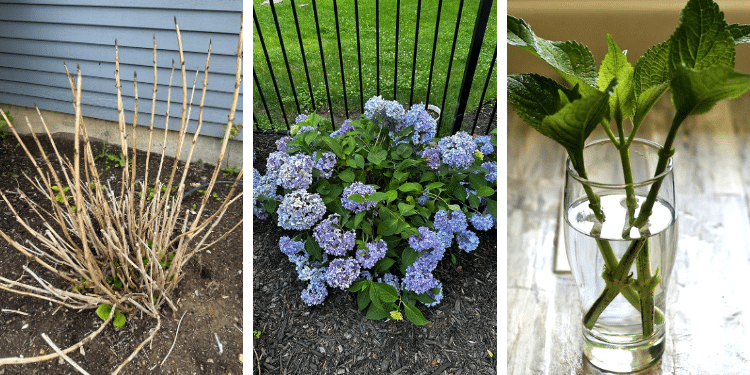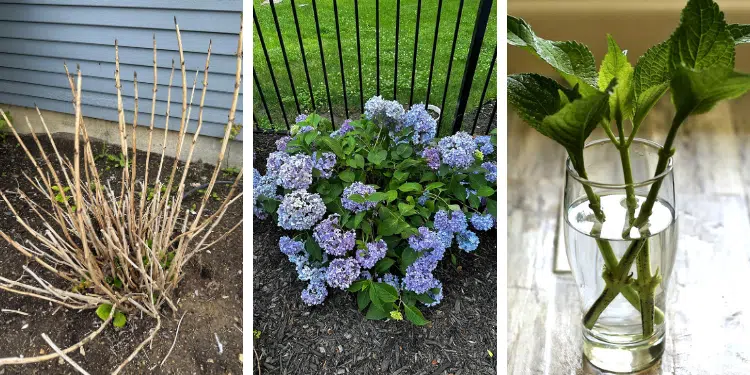
Hydrangeas are among the most beloved flowering shrubs in home gardens. Their large, colorful blooms and lush foliage make them a favorite for borders, garden beds, and foundation plantings.
These flowering shrubs belong to the genus Hydrangea, which includes dozens of species known for their spectacular flower heads that appear in shades of blue, pink, purple, and white.
While hydrangeas are relatively easy to grow, many gardeners miss a few important tasks in late winter and early spring that can greatly influence how well the plant performs during the growing season.
Early spring preparation is critical because hydrangeas begin waking up as soil temperatures rise and daylight increases.
If you give them the right attention before the new season begins, they can reward you with stronger stems, larger blooms, and healthier foliage.
1. Identify Your Hydrangea Type Before Pruning
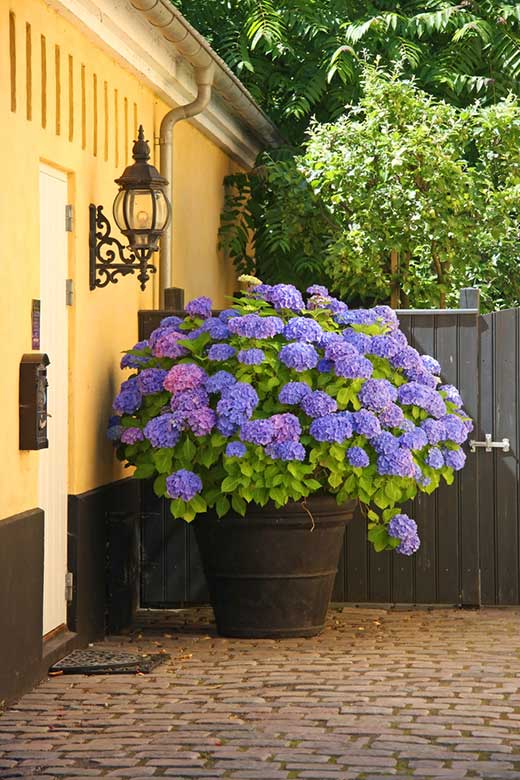
One of the biggest mistakes gardeners make with hydrangeas is pruning them incorrectly. The reason this happens is because different hydrangea varieties bloom on different types of wood.
Some hydrangeas produce flowers on old wood, meaning the flower buds form on stems that grew the previous year. Others bloom on new wood, which means the buds form on new growth that appears in spring.
Understanding which type you have determines how and when you should prune.
Common hydrangea types include:
• Bigleaf hydrangea
• Panicle hydrangea
• Smooth hydrangea
• Oakleaf hydrangea
For example, bigleaf and oakleaf hydrangeas often bloom on old wood, while panicle and smooth hydrangeas typically bloom on new wood.
If you prune the wrong type at the wrong time, you might accidentally remove the flower buds for the entire season.
Early spring is the perfect time to identify your hydrangea type and decide how much pruning is appropriate.
2. Remove Winter Damage and Dead Stems
Even if heavy pruning is not recommended for your variety, removing winter-damaged stems is still important.
Cold temperatures, snow accumulation, and strong winds can damage branches during winter. These damaged stems often appear dry, brittle, or discolored.
Using clean pruning shears, cut away any dead or broken stems. Make the cut just above a healthy bud or leaf node.
Removing dead wood improves airflow through the plant and helps redirect energy toward healthy growth.
It also improves the plant’s appearance and prevents fungal problems that can develop in decaying wood.
3. Refresh the Soil Around the Base
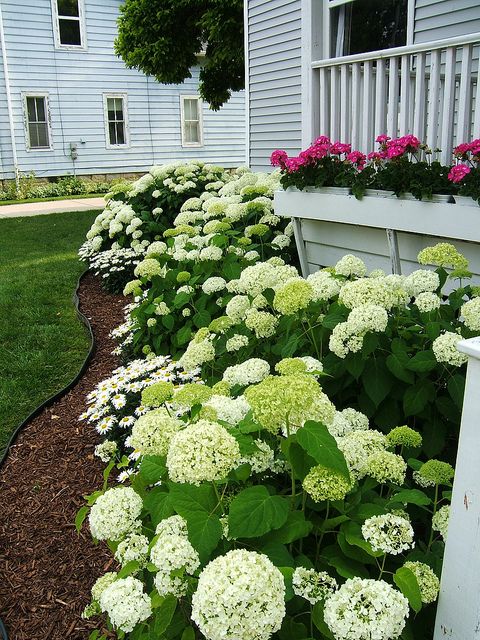
Hydrangeas are heavy feeders that benefit from nutrient-rich soil.
During the winter months, soil nutrients can become depleted or compacted, especially if the plant has been growing in the same location for several years.
Before spring growth begins, gently loosen the soil around the base of the plant using a hand fork or garden trowel.
Be careful not to disturb the roots, which tend to grow close to the soil surface.
Adding a layer of fresh compost or organic matter helps restore nutrients and improve soil structure.
Healthy soil encourages stronger root systems, which ultimately leads to more vigorous flowering.
4. Apply a Balanced Fertilizer
Hydrangeas require adequate nutrients to produce large blooms.
Early spring is an ideal time to apply fertilizer because the plant is preparing for new growth.
A balanced slow-release fertilizer designed for flowering shrubs works well.
Apply the fertilizer around the drip line of the plant rather than directly against the stem.
This allows the nutrients to reach the roots gradually as the soil warms up.
Avoid over-fertilizing, as excessive nitrogen can encourage leafy growth at the expense of flowers.
Moderate feeding helps hydrangeas maintain a healthy balance between foliage and blooms.
5. Check and Improve Mulch Layers
Mulch plays an important role in hydrangea health.
A proper mulch layer helps retain soil moisture, regulate temperature, and suppress weeds.
However, mulch often breaks down or shifts during winter storms.
Before spring begins, inspect the mulch around your hydrangeas.
If the layer is too thin, add fresh mulch such as shredded bark, compost, or leaf mold.
Aim for a layer about 5–7 centimeters (2–3 inches) thick.
Make sure the mulch is not piled directly against the base of the stems, as this can encourage rot.
Refreshing mulch early in the season protects the root zone and helps maintain consistent soil moisture throughout spring.
6. Adjust Soil pH for Flower Color
One of the most fascinating aspects of certain hydrangea varieties is that their flower color can change depending on soil pH.
In many bigleaf hydrangeas, acidic soil tends to produce blue flowers, while alkaline soil encourages pink blooms.
Gardeners who want to influence flower color should test their soil pH before spring growth begins.
If the soil is too alkaline and you want blue flowers, adding soil acidifiers such as sulfur or pine needle mulch may help.
If you prefer pink flowers, adding garden lime can gradually raise soil pH.
Because soil chemistry changes slowly, adjustments should be made well before the blooming season begins.
7. Inspect for Pests and Disease
Early spring inspection is essential for preventing pest and disease problems later in the season.
Check the stems and buds carefully for signs of pests such as aphids, scale insects, or spider mites.
Also look for symptoms of fungal diseases such as leaf spots or mildew.
Removing infected leaves and improving airflow around the plant can reduce disease spread.
In many cases, simply maintaining good garden hygiene—such as removing fallen leaves and debris—greatly reduces the risk of infection.
Catching problems early allows you to address them before they become serious.
8. Plan Structural Support for Large Blooms
Some hydrangea varieties produce enormous flower heads that can become heavy when fully developed.
Rain or wind may cause these blooms to droop or break the stems.
Before the growing season begins, consider whether your hydrangeas may need support.
Installing plant supports or small stakes early in the season helps guide the stems as they grow.
Because the supports become hidden by foliage later, placing them early ensures the plant maintains a natural appearance.
This simple step helps keep blooms upright and prevents damage during summer storms.
Why Early Spring Hydrangea Care Matters
Hydrangeas respond strongly to seasonal changes.
As soil temperatures rise and daylight hours increase, the plant begins shifting from dormancy to active growth.
Roots start absorbing nutrients again, buds begin developing, and new stems emerge.
Completing essential maintenance tasks before this process begins allows the plant to direct its energy toward healthy growth rather than recovering from stress or damage.
Well-prepared hydrangeas typically produce:
• Larger flower heads
• Stronger stems
• More consistent blooming
• Healthier foliage
Ideal Growing Conditions for Hydrangeas
Hydrangeas generally thrive in locations with morning sunlight and afternoon shade.
Too much direct sunlight can cause leaves to wilt, while too little light may reduce flowering.
Hydrangeas also prefer consistently moist soil that drains well.
Because their large leaves lose moisture quickly, regular watering is important during warm weather.
Organic mulch helps maintain moisture levels and protects the root system from temperature fluctuations.
Common Hydrangea Mistakes to Avoid
Even experienced gardeners sometimes make a few mistakes with hydrangeas.
The most common issues include pruning at the wrong time, over-fertilizing, or planting in poorly draining soil.
Another mistake is watering inconsistently. Hydrangeas prefer steady moisture rather than periods of drought followed by heavy watering.
By correcting these issues early in the season, gardeners can avoid many problems later.
Encouraging Bigger Hydrangea Blooms
Several factors influence bloom size and abundance.
Adequate sunlight, proper fertilization, and healthy soil all contribute to flower production.
Pruning correctly also plays a major role. Removing weak stems allows the plant to concentrate energy on stronger shoots that will produce larger blooms.
Consistent watering during bud development is especially important for achieving full flower heads.
Hydrangeas are stunning garden plants, but they perform best when gardeners give them a little attention before the growing season begins.